
- LOGIN
- MemberShip
- 2026-09-07 22:47:31

- Company
- Global companies accelerate investment in radiopharmaceuticals
- by Son, Hyung Min Aug 31, 2026 08:58am
- Global pharmaceutical companies are expanding investment in radiopharmaceuticals, a field viewed as the next-generation cancer treatment modality.After building their radiopharmaceutical pipelines through acquisitions and joint development deals, the companies have recently broadened their investment to include manufacturing facilities and radioisotope supply chains.Radiopharmaceuticals combine radioactive isotopes with targeting molecules that seek out cancer cells and deliver radiation directly to tumors. Because radioisotopes have short half-lives and must reach patients within a limited period after production, manufacturing and logistics capabilities are directly tied to business competitiveness.According to industry sources on the 29th, BMS subsidiary RayzeBio plans to invest USD 173 million in a new radiopharmaceutical manufacturing facility in Whitestown, Indiana.The new facility will cover approximately 225,000 square feet (20,900㎡). Construction is scheduled to begin this year, with the company planning to hire 100 new employees by the end of 2029 across the new site and its existing Indianapolis facility.This will be BMS’s second manufacturing site, following the RayzeBio radiopharmaceutical facility that began operations in Indianapolis last year.The existing facility spans 77,000 square feet (7,150㎡) and received an investment of more than USD 160 million. It has established an integrated production system that handles both radioisotope production and finished pharmaceutical manufacturing at a single site. The facility currently produces clinical trial materials and is being expanded for future commercial manufacturing. According to the company, it will be capable of producing tens of thousands of doses annually when operating at full capacity.With pipelines secured, BMS turns to manufacturing capacity… Company expands investmentBMS entered the radiopharmaceutical market in earnest by acquiring RayzeBio for approximately USD 4.1 billion in 2024.RayzeBio focuses on developing radiopharmaceuticals based on the alpha-emitting radioisotope actinium-225 (Ac-225). Its lead candidate, RYZ101, is an Ac-225-based therapy targeting the somatostatin receptor (SSTR). A Phase III trial is underway in patients with gastroenteropancreatic neuroendocrine tumors (GEP-NETs).In addition to BMS, global pharmaceutical companies have actively expanded their radiopharmaceutical pipelines in recent years through acquisitions and joint development agreements.Lilly acquired Point Biopharma for approximately USD 1.4 billion in 2023, while AstraZeneca acquired Fusion Pharmaceuticals for up to USD 2.4 billion in 2024. Novartis has also broadened its pipeline through the acquisition of Mariana Oncology and joint development programs with PeptiDream.More recently, these companies have moved beyond securing drug candidates and are building the manufacturing capacity needed to support commercialization.Manufacturing and supply chain management are more important for radiopharmaceuticals than for conventional cancer drugs. The supply of the radioisotopes used in treatment is limited, while their short half-lives make long-term storage difficult. Therefore, production and administration must be connected through precisely coordinated schedules.RayzeBio temporarily suspended enrollment in the Phase III trial of RYZ101 in 2024 because of an Ac-225 supply shortage. Against this backdrop, BMS’s successive expansion of RayzeBio’s manufacturing facilities reflects its efforts to secure a stable supply of both radioisotopes and finished therapies.Novartis invests in Korea…Expanding RLT production networkNovartis, a leader in the radiopharmaceutical market, is likewise continuing to expand its global manufacturing footprint.In 2024, Novartis established a 70,000-square-foot radioligand therapy (RLT) manufacturing facility in Indianapolis. The site produces the prostate cancer therapy Pluvicto and the neuroendocrine tumor therapy Lutathera. When it began operations, the facility expanded the company’s global RLT production capacity to 250,000 doses annually.The Indianapolis facility is now being expanded to add in-house radioisotope production. The strategy is intended to internalize not only finished pharmaceutical manufacturing but also the supply of radioisotopes, the therapies’ essential raw materials.The company is also investing in manufacturing and supply chain infrastructure in Korea.Novartis signed a memorandum of understanding with the Ministry of Health and Welfare last month to build a domestic RLT ecosystem and announced an investment plan worth approximately KRW 140 billion. The investment will cover the construction of an RLT manufacturing facility in Korea, the development of an advanced cold-chain logistics network, related research and development, and the training of specialized personnel.The company also aims to increase the number of Korean hospitals capable of administering RLT from the current 10 to 30. It plans to establish an integrated domestic base covering radiopharmaceutical production, delivery, and patient administration.Lilly and AstraZeneca have similarly secured manufacturing and supply capabilities through acquisitions of related radiopharmaceutical companies.When Lilly acquired Point Biopharma, it gained not only a clinical-stage pipeline but also the company’s Indianapolis manufacturing facility and Toronto research and development center. Through its acquisition of Fusion Pharmaceuticals, AstraZeneca likewise secured radiopharmaceutical research, manufacturing, and Ac-225 supply capabilities along with an Ac-225-based drug candidate.As such, competition among global pharmaceutical companies in radiopharmaceuticals is moving beyond the race to discover promising drug candidates into infrastructure development for their stable production and delivery to patients.In particular, as pipelines using next-generation alpha-emitting radioisotopes such as Ac-225 continue to grow, capabilities spanning isotope procurement, manufacturing, and delivery are expected to emerge as major competitive factors in the radiopharmaceutical business.
- Company
- Residual cardiovascular risk persists despite LDL-C reduction
- by Kim, Jin-Gu Aug 31, 2026 08:58am
- The treatment paradigm for dyslipidemia is expanding beyond lowering LDL cholesterol (LDL-C) to simultaneously managing triglycerides (TG) and triglyceride-rich lipoprotein cholesterol (TRL-C).This reflects the growing importance of strategies for managing so-called “residual risk,” as cardiovascular risk may remain even when statin therapy lowers LDL-C below the target level.Korean cohort study of 67,000 patients confirms benefits of ‘statin+fenofibrate’ comboAccording to industry sources on the 31st, the TRIUMPH study, published in the May 2026 issue of the international journal Journal of Lipid Research, analyzed the preventive effects of combined statin and fenofibrate therapy on cardiovascular disease using large-scale real-world data (RWD).Researchers including Professor Youngwoo Jang and Professor Seung Hwan Han of the Division of Cardiology at Gachon University Gil Medical Center, Professor Byung Jin Kim of Kangbuk Samsung Hospital, and Professor Dae Ryong Kang of Yonsei University conducted a long-term follow-up of 67,662 statin-treated adults without pre-existing cardiovascular disease, using data from the National Health Insurance Service–National Sample Cohort (NHIS-NSC).The researchers divided the patients into two groups based on a median TRL-C level of 26 mg/dL and performed propensity score matching (PSM) to compare the risk of developing atherosclerotic cardiovascular disease (ASCVD) between those receiving statin-fenofibrate combination therapy and those receiving statin monotherapy.Over a mean follow-up period of 87 months, adding fenofibrate reduced the risk of ASCVD by 24% compared with statin monotherapy in patients with TRL-C levels of 26 mg/dL or higher. In contrast, the risk reduction was not statistically significant among patients with TRL-C levels below 26 mg/dL.TRIUMPH study results. AI-generated imageBecause previous large-scale clinical trials of fenofibrate, such as the ACCORD-LIPID study, enrolled broad patient populations, they had limitations in demonstrating additional cardiovascular risk reduction with fenofibrate. The latest study, however, stratified patients by TRL-C level. Its significance lies in suggesting that fenofibrate combination therapy may be associated with a meaningful reduction in cardiovascular risk among statin-treated patients with TRL-C levels of 26 mg/dL or higher.Blocks residual risk after LDL-C control…Need to manage TG and TRL-C highlightedLDL-C remains a key therapeutic target in the prevention of cardiovascular disease. However, cardiovascular events can still occur even after statin therapy has sufficiently lowered LDL-C. Researchers are consequently paying closer attention to residual cardiovascular risk and to elevated TG and TRL-C levels as major contributing factors.TRL-C refers to cholesterol contained in remnant lipoproteins generated as triglyceride-rich lipoproteins produced by the liver are broken down. Like LDL-C, it can accumulate in blood vessel walls and contribute to atherosclerosis, and is also known to be associated with local inflammatory responses.In particular, patients with complex dyslipidemia accompanied by metabolic abnormalities, diabetes, or hypertriglyceridemia may continue to have elevated TG and TRL-C levels even when LDL-C is controlled with statin monotherapy.Against this backdrop, adding fenofibrate to statin therapy is gaining attention as a treatment option for patients whose TG and TRL-C levels remain elevated.Fixed-dose combinations draw attention… reduce pill burden and simultaneously manage LDL-C and TGIn practice, the use of fixed-dose combinations is also expanding in consideration of the pill burden and treatment adherence of patients who must take multiple medications over the long term. Pitavastatin-fenofibrate fixed-dose combinations are a prime example.Pitavastatin lowers LDL-C, while fenofibrate improves the lipid profile mainly by reducing TG. Combining the two active ingredients into a single product enables simultaneous management of LDL-C and TG while improving dosing convenience.In particular, the TRIUMPH study demonstrated an association between fenofibrate combination therapy and reduced ASCVD risk among statin-treated patients with TRL-C levels of 26 mg/dL or higher. This is expected to heighten interest in treatment strategies that consider not only LDL-C but also TG and TRL-C.Based on the findings, the industry expects the use of pitavastatin-fenofibrate fixed-dose combinations to expand further on-site.According to the Ministry of Food and Drug Safety, a total of 39 pitavastatin-fenofibrate fixed-dose combination products have been approved in Korea. Hanlim Pharm became the first Korean company to secure approval for such a combination in 2019 with ‘Stafen Cap,’ followed by a series of generic approvals.
- Company
- 'Winrevair' is being submitted for a 100-day fast-track reimb listing
- by Eo, Yun-Ho Aug 31, 2026 08:57am
- Pulmonary arterial hypertension (PAH) therapy Winrevair (sotatercept) is being pursued for a fast-track listing pilot project for rare disease treatments.According to reports, MSD Korea recently withdrew Winrevair (sotatercept) from the 'concurrent regulatory approval-evaluation-negotiation pilot project.' The company is preparing submission documents to apply for the 'Fast-Track Listing Pilot Project for Rare Disease Treatments,' which closes at the end of this month.This pilot project proposes a 100-day timeline to final reimbursement listing. It provides early-listing benefits by exempting both economic evaluations and price negotiations, setting the reimbursement price at approximately 90% of the lowest adjusted price among A8 reference countries, and waiving expected claims volume negotiations. Provided a compliant application is submitted and the government reaches consensus, this process enables rapid reimbursement listing. For Winrevair, which has remained non-reimbursed since being selected for the concurrent approval-evaluation-negotiation pilot project in December 2024, the fast-track listing pilot project for rare diseases could be the only viable solution. However, the pilot project also entails substantial risks. The pharmaceutical industry views post-listing re-evaluation based on evidence generation as the most burdensome aspect. The government maintains that it will establish RWE registries to generate clinical outcome data and, at the five-year re-evaluation mark, determine whether to maintain existing reimbursement, implement partial price reductions, or mandate 100% out-of-pocket patient co-payments.While issues surrounding the reliability of RWE datasets remain, an unfavorable determination could effectively revert the drug to non-reimbursed status after five years. From the perspective of multinational pharmaceutical companies, this introduces the risk that the South Korean government could officially designate their proprietary asset as ineffective.This context underscores why MSD's strategic decision is viewed positively across the sector, reflecting an active accommodation of the patient community's demands.On the 12th, the Korean Society of Pulmonary Hypertension, the Korea Pulmonary Hypertension Support Group, the Korea Congenital Heart Disease Patient Group, and the Korean Organization for Rare Diseases issued a joint statement officially urging the Ministry of Health and Welfare (MOHW) and MSD to transition Winrevair from the concurrent approval-evaluation-negotiation pathway to the 100-day fast-track listing pilot project.Attention is focused on whether efforts to secure reimbursement for Winrevair, which had stalled throughout the prior reimbursement review process, will succeed under this new framework. A company representative stated, "MSD Korea is closely listening to the voices of academic societies and patient advocacy groups calling for improved treatment access for domestic PAH patients, while deeply empathizing with the difficult therapeutic circumstances faced by patients and their families," adding, "MSD Korea will collaborate with key stakeholders, including the government and healthcare professionals, to establish measures for the expedited reimbursement listing of Winrevair."
- Company
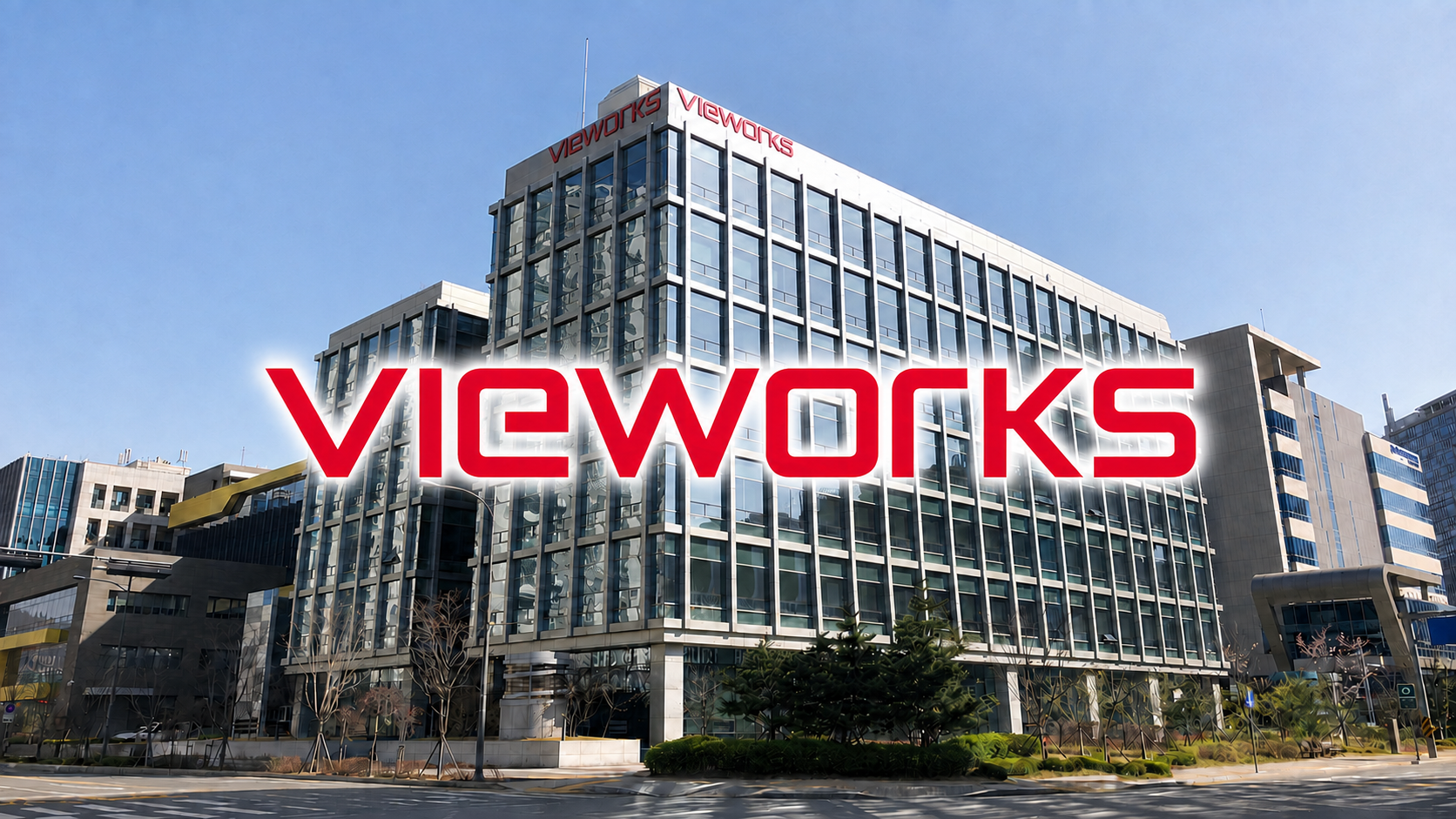
- Digital pathology in the AI era starts with the scanner...Vieworks’ vision
- by Hwang, byoung woo Aug 28, 2026 09:51am
- As competition in digital pathology rapidly shifts toward artificial intelligence (AI) analysis software, slide scanners that integrate such software are becoming increasingly important.This is because pathology AI must first convert glass slides into digital images of precise, consistent quality.The company Vieworks is focusing on slide scanners, the first step in digital pathology. The company is advancing its scanning technology based on proprietary developments while seeking differentiation by embedding AI directly into hardware. Digital pathology begins with capturing glass slides containing tissue specimens using a scanner to generate digital data in the form of Whole Slide Images (WSI). The resulting images are then analyzed by AI or integrated with hospital information systems for diagnostic interpretation, archiving, and sharing. Academia also considers the slide scanner as the starting point of digital pathology, as downstream diagnosis and AI utilization depend on a scanner's image quality, optical performance, throughput speed, and data format. Ultimately, digital pathology succeeds only when scanners, image analysis software, and storage systems are integrated well.A Vieworks official said, "The first step of digital pathology requiresimage acquisition, thus making the scanner the most fundamental piece of equipment," adding, "Once the scanner acquires images, they are either analyzed by AI or linked to hospital networks, resulting in an integrated digital pathology system."In hospitals, because scanners from multiple manufacturers are used, aligning imaging and data across different devices has become a key operational challenge.A digital pathology platform industry insider interviewed at KHF 2026 explained that while scanners from different manufacturers offer distinct strengths, utilizing outputs across diverse devices remains difficult without an integrated platform. Concerns have risen that scanning bottlenecks during high-volume slide processing could adversely affect the entire downstream pathology workflow.Ultimately, in digital pathology, hardware that consistently generates stable images and connectivity that unifies operations into a cohesive workflow are just as vital as software.Using three-camera to focus...Embedding AI directly into scannersVieworks' core technology for the VISQUE DPS focuses on image acquisition.Vieworks VISQUE DPS lineup VISQUE DPS applies proprietary 'Realtime Extended Focus (Realtime EF) technology,' which simultaneously captures different focal planes using three cameras and fuses the images in real time. This technology is designed to minimize image loss that can occur when tracking a single focal plane and to secure optimal focus even across tissue sections with uneven surfaces or varying thicknesses. The company has filed and registered approximately 20 patents related to this technology across South Korea, the United States, Europe, and Japan.Recently, Vieworks has also integrated AI directly into the scanning process. Its proprietary Scan Area Setting AI distinguishes tissue areas on slides from non-tissue artifacts such as pen markings, dust particles, and air bubbles.The objective is to stabilize the baseline quality of images fed into AI analysis by mitigating issues such as focusing on irrelevant areas or the need for rescans.The company is also developing predictive maintenance AI to detect anomalies during robotic-arm slide transfer. This technology aims to minimize scanning interruptions and increase automation in digital pathology environments processing large slide volumes over extended hours.Beyond domestic development to system interoperability...Differentiating from global companiesVieworks highlights that its domestic scanner's competitive edge is not merely price.Multinational companies already occupy the global digital pathology market with long-standing scanner development histories. Accordingly, rather than claiming superior technology over legacy incumbents, Vieworks emphasizes proprietary technology and rapid response times enabled by its in-house development and manufacturing framework as its core differentiators. In particular, the company believes that as AI and image management platforms proliferate rapidly, scanner manufacturers' ability to quickly accommodate the specific image and data parameters required by each software solution will become increasingly critical.A Vieworks official said, "Domestically developed means not only local manufacturing, but also the ability to respond quickly to technology integration, technical support, and market shifts," adding, "A key strength is the ability to quickly incorporate customer requirements and the specific data formats needed for collaboration with AI and platform companies directly into product development."Such interoperability is expected to be a key competitive factor in the future expansion of digital pathology. Indeed, industry experts say that achieving digital transformation across the entire pathology workflow, rather than digitizing select individual assays, is necessary to maximize synergies among scanners, AI algorithms, and diagnostic solutions.Yujung Kang Kang, Head of the Bio Business Group at Vieworks, is presenting at the event.VISQUE DPS is currently deployed in international markets, including the United States and Turkey, with efforts underway to expand European distribution through local partner networks. Moving forward, Vieworks plans to broaden its product lineup to include compact fluorescence scanners and multichannel fluorescence systems targeting research sectors such as spatial biology. Based on these initiatives, Vieworks has set a target of capturing 8% or more of the global digital pathology market share within five years. The key challenge is not merely increasing sales of a single domestically produced scanner, but securing the image quality, standardization, and interoperability that AI and software platforms demand.Yujung Kang, Head of the Bio Business Group at Vieworks, said, "As the clinical application of AI expands in pathology diagnostics, scanners play roles beyond simple image acquisition to generate precise, standardized datasets that AI algorithms can reliably interpret," and added, "Vieworks aims to establish new benchmarks for precision imaging in the global digital pathology market through its core proprietary technologies for slide scanner development and commercialization."

- Company
- Drugmakers combine in-house and external expertise in new drug launches
- by Son, Hyung Min Aug 28, 2026 09:51am
- Pharmaceutical companies face a series of choices when bringing a new drug to the Korean market.They must decide whether to handle functions such as clinical development internally or enlist external specialists, and how to prepare their reimbursement and pricing strategies following regulatory approval. For product communications, they must divide responsibilities between in-house teams and PR agencies. After launch, they must choose whether to deploy their own sales force or enter into a co-promotion agreement with a Korean pharmaceutical company. Distribution can likewise be outsourced to a specialized distributor or handled through direct contracts with multiple wholesalers.Cost is another major factor in outsourcing decisions. Hiring additional in-house personnel for every function required to launch a new drug increases fixed costs, including labor costs. By contrast, using external specialists on a project basis during specific periods such as regulatory approval, reimbursement, and launch can reduce the fixed-cost burden.Ultimately, pharmaceutical companies would need to decide whether to develop the necessary expertise internally or outsource it after considering the product’s market potential and projected business scale, the capabilities of their existing organization, and the costs involved.Collaboration with external companies has long been a common practice. What has become increasingly noteworthy is the growing range of choices involved in bringing a single new drug to market, and the increasing specialization of the areas in which external providers participate.The proliferation of high-priced new drugs, including cancer and rare disease therapies, has made reimbursement and pricing strategies more complex. Meanwhile, continued new drug launches and indication expansions have sharply increased the associated workload. At the same time, multinational pharmaceutical companies are streamlining their internal organizations according to business priorities and actively considering the use of external capabilities where needed, rather than performing every function with in-house personnel.The key issue in launching a new drug is no longer simply whether to outsource the work. Deciding which functions to perform internally and when and with whom to collaborate has itself become part of the market entry strategy.Multiple choices for a single new drug… collaboration model also variesA new drug’s entry into the Korean market begins with the global headquarters’ decision to introduce the drug. The Korean affiliate then develops detailed strategies tailored to the local market, covering regulatory approval, reimbursement and pricing, medical affairs, marketing and sales.Various external specialists may participate at each stage. Contract research organizations and regulatory consulting firms provide support during clinical development and regulatory approval, while law firms and pricing consulting companies may conduct pharmacoeconomic evaluations and budget impact analyses during the reimbursement process.Law firms advise on legal and drug pricing policy issues, while PR and marketing agencies handle product and disease communications. At the commercialization stage, contract sales organizations, Korean pharmaceutical companies, and pharmaceutical distributors are added to the partner list.Multinational pharmaceutical companies do not adopt the same partnership model for every new drug. The partners vary according to the patient population, therapeutic area, projected sales and likelihood of reimbursement, as well as the organization and infrastructure already available within the Korean affiliate.A company with an established sales and marketing team in a particular therapeutic area may approach the market directly. A company without one may partner with a Korean pharmaceutical company or CSO. The scope of outsourced reimbursement work also differs depending on the experience of the company’s internal pricing team and the characteristics of the product.Workforce management is another important consideration. Maintaining in-house specialists may be advantageous for functions needed continuously over an extended period. For work concentrated within a limited timeframe, however, such as obtaining approval for a particular drug or conducting its pharmacoeconomic evaluation, using external personnel may be more efficient.As a result, each company assembles a different partnership structure for every single new drug.Sell directly or forge partnerships…Commercialization models also varyFurther decisions must be made regarding sales and distribution after launch.If the Korean affiliate already has a sales organization in the relevant therapeutic area, it can sell the product directly. If its domestic sales network is insufficient or it needs to reach a broad range of medical institutions quickly, it may instead co-promote the product with a Korean pharmaceutical company or outsource some functions to a CSO.Product characteristics also inform this decision. Rare disease treatments and certain cancer drugs, which have small patient populations and a limited pool of prescribers, can be covered by relatively small specialist teams. By contrast, products for chronic diseases with broad prescribing bases place greater importance on nationwide sales networks.In particular, building a large sales force for a new business area creates a substantial fixed-cost burden. During the initial stage, when the size of the market and the product’s growth prospects remain uncertain, a company may consider using an external sales network and subsequently strengthen its own organization once the business has expanded.Korean pharmaceutical companies continue to be chosen as co-promotion partners by multinational drugmakers because their established sales networks and accumulated experience in particular therapeutic areas can be put to immediate use.Distribution is a separate decision from sales. A company that sells a product through its own sales team may still outsource logistics to a specialized distributor or contract directly with multiple distributors. Co-promoting a product with a Korean pharmaceutical company does not necessarily mean that the partner will also handle all aspects of its distribution.Commercialization strategies are therefore becoming more segmented. Rather than bundling sales, marketing and distribution together, companies assess the appropriate model and cost for each function and assemble a combination of partners suited to the product.Same GLP-1 market, different choices…sales and distribution strategies divergeThe rapidly growing market for GLP-1 obesity drugs illustrates how multinational pharmaceutical companies targeting the same market can adopt different partnership models.When Novo Nordisk launched its obesity treatment ‘Wegovy (semaglutide)’ in Korea in October 2024, it chose to supply the drug through Zuellig Pharma. As market competition subsequently intensified, the company also adjusted its sales, marketing, and distribution strategies.Last year, Novo Nordisk signed a co-promotion agreement with Chong Kun Dang for Wegovy, establishing a collaborative domestic sales and marketing system. This year, it further diversified its distribution network by adding major Korean pharmaceutical distributors to its existing supply system.Lilly Korea, by contrast, launched its obesity treatment ‘Mounjaro (tirzepatide)’ without a co-promotion agreement with a Korean pharmaceutical company, relying primarily on its own sales and marketing organization. For product supply, it chose to contract directly with multiple pharmaceutical distributors.Even within the same GLP-1 obesity drug market, one company partnered with a specialized distributor and a Korean pharmaceutical company, while the other linked its in-house commercial organization to multiple distributors.These differences cannot be explained by a product’s market potential alone. They also reflect each company’s existing sales organization and distribution network, its business experience in the therapeutic area, and its market penetration strategy.Cost cannot be overlooked either. Building and maintaining a nationwide sales force requires substantial personnel and administrative spending. Partnering with a Korean pharmaceutical company or external organization that already owns a sales network in the relevant therapeutic area allows a company to secure the necessary infrastructure in a short period of time.Nor are decisions made at launch necessarily permanent. As the Wegovy case demonstrates, sales, marketing and distribution partners may be reconfigured after launch as the competitive environment, product demand and supply conditions change.Changes in drug pricing policy prompt launch strategy revisions… impact assessments conducted in early stagesReimbursement and pricing strategies are not determined solely by a new drug’s clinical value. Depending on the reimbursement and pricing systems operated by the government, the same product may follow a different market entry route, command a different expected price or be listed at a different time.Various mechanisms are now being used to improve access to new drugs, including expedited listing, risk-sharing agreements, exemptions from health economic evaluation submissions, the Global Innovative Products on Fast Track program and the parallel approval-assessment-negotiation pilot program. At the same time, pricing and post-listing management systems are undergoing a series of revisions. Pharmaceutical companies therefore have a growing need to assess applicable programs and their potential pricing implications from the early stages of a product’s introduction into Korea, rather than waiting until after approval to respond at the reimbursement application stage.In particular, major changes in drug pricing policy affect not only pipeline products but also those already on the market. Companies must analyze the impact of regulatory changes on the price of each product, future indication expansions, and the broader portfolio, and adjust listing timelines and reimbursement and pricing strategies accordingly.During this process, the Korean affiliate’s Market Access team can set the overall direction and communicate with health authorities, while external consulting firms or law firms assist with pharmacoeconomic evaluations, budget impact analyses, and product-specific impact assessments of regulatory changes. This allows companies to supplement their internal capabilities with relevant external experience rather than permanently maintaining in-house personnel to address every regulatory change.External providers do not, however, determine a company’s pricing strategy. The pharmaceutical company sets the direction based on the product’s clinical value and market potential and combines the analyses and advice needed to respond to the changing regulatory environment.Beyond outsourcing to “combinations”… Korean affiliates take on a greater roleThe expanding participation of external specialists in new drug launches does not diminish the role of Korean affiliates.Rather, as the number of choices increases, deciding which functions require in-house personnel and which responsibilities should be shared with external providers became more important.Companies must compare the personnel expenses required to maintain a permanent internal organization with the cost of using external specialists on a project basis. They must also determine whether the relevant capability needs to be accumulated internally over the long term.Even within the same company, different strategies may be adopted for different products. One product may be sold directly, while another is co-promoted with a Korean company. Depending on a product’s characteristics, a company may seek assistance from a consulting company or law firm on reimbursement and select PR partners according to the timing and scope of the work required.Outsourcing does not invariably reduce costs. When multiple providers participate simultaneously, additional personnel and resources are needed for their management and coordination. Excessive dependence on external providers for core capabilities can also prevent experience from accumulating within the company.Ultimately, the recent changes in new drug launches therefore cannot be explained simply as an increase in outsourcing. Rather, companies are adopting increasingly diverse ways of combining internal and external roles after considering the product’s market potential, their existing organization, the expertise required, the duration of the work, and its cost.As new drug launches become more complex, accessing the right expertise at the right time is becoming more important than maintaining every function in-house. The role of Korean affiliates is also expanding from directly performing individual tasks to effectively coordinating internal and external capabilities.
- Company
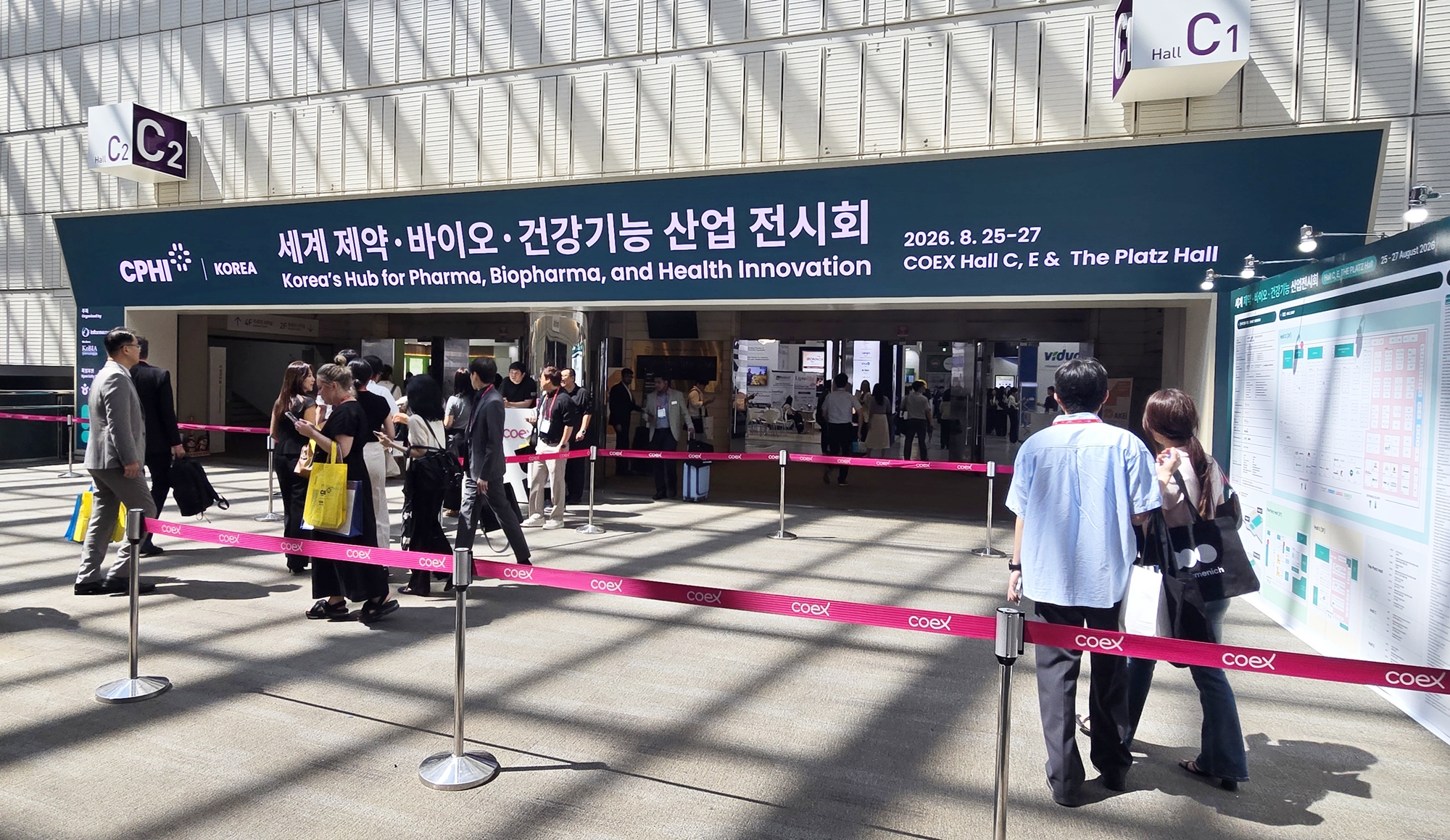
- Integrating API·CDMO…CPHI showcases new businesses
- by Hwang, byoung woo Aug 27, 2026 09:43am
- CPHI Korea 2026 took place over three days, from August 25 to August 27.Pharmaceutical exhibition booths at exhibitions, once dominated by active pharmaceutical ingredients (APIs) and manufacturing equipment, are expanding their scope into artificial intelligence (AI) document automation, alternative animal testing, and functional health food raw materials.This shift was notable at CPHI Korea 2026, which opened on the 25th at COEX in Seoul. Alongside traditional booths showcasing active pharmaceutical ingredient (API) and contract development and manufacturing organization (CDMO) capabilities, new services supporting pharmaceutical regulatory documentation and non-clinical research workflows took center stage.Kookjeon F&D unveiled AXGMP, an AI platform specialized for pharmaceutical documentation, for the first time. At the same time, Biosolution collaborated with Merck Life Science to demonstrate an alternative animal-testing workflow using 3D human tissue models. Samoh Pharm unveiled its portfolio of functional health food ingredients, and Inist ST focused on expanding API and CDMO projects with existing partners.Integrating AI into pharmaceutical documentation: Kookjeon demonstrates AXGMP for the first timeAt the Kookjeon F&D booth on the second floor of the exhibition hall, attendees gathered around laptop screens to watch an AI chatbot respond. The demonstration showed that when questions were entered into the system linked with regulations and guidelines, it extracted relevant regulatory clauses and reference documents.Attendees focused on whether the system could retrieve scattered internal documents and regulations for practical operational use, rather than merely generating text using generative AI.Pharmaceutical industry visitors at the booth asked whether AXGMP could integrate vast internal documentation, such as standard operating procedures (SOPs) and manufacturing specifications. The potential to deploy the platform as an internal search and operational support system that quickly locates internal documents and regulations required for specific workflows garnered attention.Kookjeon F&D showcased its generative AI-powered pharmaceutical documentation AX platform.AXGMP is a platform designed to structure documents generated across manufacturing, quality assurance/quality control (QA·QC), validation, and regulatory affairs (RA), while supporting the generation of required deliverables. At the booth, the company demonstrated the drafting of pharmaceutical documents, including Periodic Quality Reviews (PQR), and regulatory compliance review processes. The core premise is to tailor workflows to each company's document hierarchy and operational procedures, rather than applying a uniform AI model across pharmaceutical firms. The system converts company-specific SOPs, specifications, and manufacturing and quality records into AI-usable datasets, then combines the required functional modules for each task.The platform is designed for customized deployment based on client environments, covering document management, legacy system integration, regulatory reviews, and report generation. Because it can be implemented for specific tasks or integrated as supplementary features into existing systems, the deployment scope can be adjusted to each pharmaceutical firm's digital transformation maturity and operational needs.Kookjeon F&D was spun off from Kookjeon in September 2023. Most of its team members have hands-on operational experience in QA·QC and RA at the parent company. The firm highlights the convergence of AI technology with personnel who understand pharmaceutical document formats and regulatory agency interaction workflows as its core differentiator.A Kookjeon F&D representative explained that while simple keyword searches for Ministry of Food and Drug Safety (MFDS) regulations yield countless results, AXGMP can serve as a guide that quickly pinpoints specific relevant sections for the inquiry. The representative added that inquiries also highlighted interest in utilizing the system to search internal corporate SOPs and specifications. Operation of Kookjeon F&D's AX platform.From Health Functional Food Ingredients to API·CDMO: Expanding core businessesSamoh Pharm operated its third CPHI exhibition booth, centered on its H&B Raw Materials Division, which oversees health functional food and food ingredients. The exhibition area showcased key ingredients, including active folate, vitamin K2, and artichoke extract, alongside finished goods that use these components.In this exhibition, the company focused on promoting active folate, vitamin K2, and ingredients with recognized functional indications for hangover relief. By demonstrating both the intrinsic properties of the raw materials and their practical formulation into finished products, the company aimed to broaden touchpoints with pharmaceutical companies and health functional food manufacturers.According to company explanations, the expansion of pharmaceutical and cosmetic companies into the health functional food space is creating new business opportunities for raw material suppliers. This also reflects a strategic focus on diversifying client bases by encouraging multiple finished-product manufacturers to utilize the ingredients rather than concentrating supply on one or two firms.Samoh Pharm's booth.A Samoh Pharm representative said, "As companies in the pharmaceutical and cosmetics sectors diversify their business portfolios, interest in health functional foods has grown," adding, "The official added that the company continues to promote core ingredients such as active folate and vitamin K2 while expanding touchpoints so that multiple manufacturers can launch products utilizing them."Inist ST placed API and CDMO solutions at the center of its booth. Rather than highlighting specific new products, the company emphasized sharing new product development data and discussing follow-on projects with existing partners.Having participated in the exhibition annually, the company used CPHI to maintain relationships with existing partners while identifying prospective clients. At the event, numerous industry representatives visited the booth to discuss raw material supply and potential contract development and manufacturing collaborations.An Inist ST representative stated, "While meetings with new companies take place, we also discussed with existing partners," adding, "Inist ST is progressively expanding its project pipeline by providing data on new products and continuing business consultations."Inist ST booth.Connecting human tissue models with analytical equipment: Expanding alternative animal testingBiosolution co-hosted an exhibition booth with Merck Life Science, demonstrating an end-to-end alternative animal testing workflow spanning 3D human tissue models, analytical measurement, and data interpretation.The process involves treating human-derived tissue models, such as Biosolution's skin model KeraSkin and corneal model MCTT HCE, with test substances, then using Merck's analytical equipment to measure tissue barrier function and immune/inflammatory biomarkers. The collaboration presented an integrated research workflow linking target-specific tissue model selection, experimental assay design, and analytical readout.Biosolution also introduced contract research organization (CRO) testing services utilizing its proprietary human tissue models. The company is broadening its application scope beyond safety assessments, such as skin irritation, ocular irritation, and phototoxicity, to efficacy evaluations including skin permeation, barrier function, wound healing, and anti-inflammatory properties.Biosolution booth.The phototoxicity test method utilizing KeraSkin was incorporated into OECD Test Guideline (TG) 498. The ocular irritation test method using MCTT HCE is also listed under OECD TG 492, providing validated regulatory grounds for regulatory submission testing.At the event, inquiries from companies handling various materials, such as formulations and peptides, continued throughout. This suggests growing demand to evaluate novel drug candidates and cosmetic ingredients in models that closely mimic human tissue, amid the expanding scope of alternative animal testing methods.A Biosolution official remarked, "Biosolution is focusing on introducing practical applications of human tissue models and alternative animal testing CRO services," adding, "This year, we received numerous client inquiries related to specialized modalities such as formulations and peptides."

- Company
- Pharmaceutical services market expands as industry evolves
- by Son, Hyung Min Aug 27, 2026 09:43am
- The era of agents has arrived. As multinational pharmaceutical companies reorganize their operations around changing business priorities, the service industry supporting them from the outside is gaining an increasingly prominent presence.It has long been common for pharmaceutical companies to outsource key functions such as legal advice, public relations and pharmacoeconomic evaluations to specialized firms. What has changed recently is the breadth and depth of the work performed by these external providers. Professional services are becoming increasingly specialized, covering reimbursement and pricing, pharmacoeconomic evaluation, policy response and market access strategy for new drugs, as well as product communications.The changes at major law firms are a prime example. Former officials who handled pharmaceutical pricing and reimbursement at MOHW’s Pharmaceutical Benefits Division, HIRA’s Pharmaceutical Benefits Department and New Drug Listing Division, and the NHIS’s Insurance Benefits Department have joined leading law firms. Once largely limited to working-level officials, recruitment has recently expanded to former heads of the Pharmaceutical Benefits Division and HIRA’s Pharmaceutical Benefits Department, as well as former health ministers and vice ministers.The role of consulting firms is also expanding. External advisers are now used not only to prepare pharmacoeconomic evaluation data submissions but also to determine which reimbursement pathway a new drug should pursue and to analyze how changes in drug pricing policy may affect a company’s portfolio and develop corresponding strategies.A similar trend is emerging in the PR industry. The continued introduction of new drugs and indications is increasing the need for product communications. Rather than expanding their in-house PR teams accordingly, however, pharmaceutical companies are increasingly dividing responsibilities with external agencies.Drug pricing officials move to law firms…from working-level staff to former ministers and vice ministersOne development illustrating the expansion of pharmaceutical and healthcare practices at major law firms is the movement of former public-sector officials with experience in healthcare policy and drug pricing and reimbursement.Particularly notable is the succession of former heads of the Pharmaceutical Benefits Division joining law firms. The division is a core unit of the MOHW responsible for the full spectrum of pharmaceutical benefits policy, including new drug listings, pricing systems, post-listing drug price management and reassessments of reimbursement eligibility. Because these policies directly affect the market entry of new drugs and the prices of existing products, the division has extensive points of contact with the industry.Former heads of the Pharmaceutical Benefits Division, Yang-ji Ryu, joined Yulchon; another, Myung-seop Kwak, joined Kim & Chang, and Chang-hyun Oh joined Bae, Kim & Lee. Sung-tae Kim, a former deputy director who worked on reimbursement listings and post-listing management at the division, also moved to Kim & Chang before joining Shin & Kim.Their government experience extends well beyond simply having worked in the division. During his tenure as its head, Ryu oversaw a major overhaul of the drug pricing system and policies aimed at reducing pharmaceutical expenditure. Kwak also handled major policies concerning health insurance coverage and drug pricing. Oh served as both head of the Pharmaceutical Benefits Division and director of the Health Industry Promotion Division, gaining experience across pharmaceutical benefits and biopharmaceutical industry policy.The successive movement to law firms of senior personnel who directly oversaw the systems governing new drug pricing and reimbursement symbolically demonstrates the recent changes to the pharmaceutical and healthcare advisory market.A number of former HIRA officials have also joined the legal sector. Former heads of HIRA’s Pharmaceutical Benefits Department Byung-il Lee, Hee-jung Kang and Kyung-soo Kang have each joined major law firms.Their work in the previous sector is closely connected to the industry’s current pricing and reimbursement issues. Lee handled transaction price-based reimbursement, the reorganization of the existing reimbursement list, and pricing policy for off-patent drugs and generics. Former director Kyung-soo Kang was involved in changes to the new drug listing system, including the introduction of risk-sharing agreements, pharmacoeconomic evaluation submission exemptions and improvements to cost-effectiveness assessment criteria.Officials with direct experience in new drug reimbursement listings have also moved to law firms, including Se-rak Jang, a former team leader at HIRA’s New Drug Listing Division, and former division officials Tae-kyung Kim and Yoon-hee Choi. Their experience includes new drug reimbursement listings, pharmacoeconomic evaluation, and price determination.There are also former NHIS officials who negotiated prices directly with pharmaceutical companies. Yoon-kyun Jung, a former head of the Drug Price Negotiation Division, handled new drug pricing negotiations and risk-sharing agreements for high-priced new drugs before moving to a law firm.Former MOHW minister Deok-cheol Kwon and former vice ministers Geun-hyuk Ryu and Young-chan Lee, all of whom have broad experience in healthcare policy, are also now practicing healthcare at major law firms.Taken together, their careers reflect the major stages through which a new drug enters the health insurance market. MOHW establishes the overall pricing and reimbursement framework; HIRA evaluates the drug’s eligibility for reimbursement and its economic value; and the NHIS negotiates its price and any risk-sharing agreements with the pharmaceutical company.With professionals who have experience at each stage, from policymaking to reimbursement assessment and price negotiations, joining their ranks, law firms are further specializing their pharmaceutical and healthcare advisory capabilities. These professionals are also actively voicing their opinions on major pending issues, including proposed changes to generic drug pricing.These personnel moves have also drawn criticism. Concerns have long been raised about potential conflicts of interest when government officials who directly handled pricing and reimbursement policy retire and join law firms that advise pharmaceutical companies. Similar concerns were raised recently when former Pharmaceutical Benefits Division head Chang-hyun Oh joined a law firm.Separate from such controversy, however, major law firms’ continued recruitment of these professionals also demonstrates the growing use of pricing, reimbursement and policy advisory services within the pharmaceutical and biotechnology industry.Beyond legal services to policy advice….Law firms’ expanded rolesThe scope of services that law firms provide to pharmaceutical companies is also changing.Patent disputes were traditionally the most prominent area of legal work for the pharmaceutical industry. This subsequently expanded to administrative litigation over rebates, violations of Good Manufacturing Practice requirements, drug price reductions, and restrictions on reimbursement.More recently, law firms have broadened their role beyond responding to disputes and are increasingly analyzing regulatory changes and assessing their potential effects on corporate clients.Pricing and reimbursement are complex fields shaped not only by statutes and official notices but also by HIRA’s assessment standards, committee decisions, and negotiations with the NHIS. Even when listing a single new drug for reimbursement, companies must consider numerous variables, including whether to undergo a conventional pharmacoeconomic evaluation, seek an exemption from the submission of economic evaluation data or pursue a risk-sharing agreement.The expansion of these services is closely related to major law firms’ recruitment of former MOHW, HIRA and NHIS experts to strengthen dedicated healthcare practices alongside their lawyers.Former heads of the Pharmaceutical Benefits Division are well positioned to analyze the detailed operation of the pricing and reimbursement system and its impact on individual products. Former ministers and vice ministers can provide broader guidance on policy direction and response strategies on health insurance finances and industrial policy.Inquiries and demand for advice are especially concentrated around periods of major government changes to drug pricing policy. Ahead of and following recent drug pricing reforms, major law firms have held briefings and seminars for pharmaceutical and biotechnology companies to explain the changes and suggest response directions.Reimbursement consulting expands beyond pharmacoeconomic evaluation to response strategiesDrug pricing and reimbursement consulting is another area in which pharmaceutical companies are making extensive use of external partners.Outsourcing pharmacoeconomic evaluation has already become common. Demonstrating a new drug’s cost-effectiveness requires companies to build economic evaluation models from clinical data and establish comparators, costs, utility values, and other inputs. Because this requires specialized health economics expertise, companies often commission professional consulting firms to perform related work.Recently, however, external consulting has expanded well beyond the preparation of pharmacoeconomic evaluation data submissions. Demand is growing for external advice from the earliest stages of determining how a new drug should enter the health insurance system, to analysis of how pricing policy changes will affect existing products and the development of response strategies.In particular, the government’s planned overhaul of the drug pricing system is pushing the scope of work covered by consulting firms.Changes to pricing criteria or post-listing management mechanisms affect pharmaceutical companies differently depending on their portfolios. Patent-protected new drugs, off-patent medicines and generics all have different characteristics, so the same policy change may have different pricing implications and require different responses.On the pharmaceutical companies’ part, companies need to do more than understand the reform; they must identify which products in their portfolios will be affected, estimate the potential price impact, and determine which reimbursement and pricing strategies should be applied to new drugs in their pipelines.Consulting firms are consequently expanding their role beyond explaining policy changes to include company-specific impact assessments and response strategies reflecting each client’s portfolio and product characteristics. Alongside the increase in industry briefings and training sessions before and after drug pricing reforms, customized advisory work for individual companies is also increasing.In the past, a pharmaceutical company might first establish its reimbursement strategy internally and then outsource the preparation and analysis of the necessary pharmacoeconomic evaluation materials. More recently, some companies have begun working with external experts from the initial market access stage to determine the appropriate reimbursement pathway and pricing strategy.New pricing and reimbursement issues continue to arise even after a product is listed, including adjustments to reimbursement scope following indication expansions, budget impact analyses, and post-listing price management triggered by increased usage.This does not mean that external providers are replacing pharmaceutical companies’ internal Market Access teams. Rather, the internal MA teams continue to oversee product strategy, final decision-making and communications with health authorities, while external capabilities are used for specialized, project-based tasks such as pharmacoeconomic evaluation models and regulatory impact analyses.In this sense, boundaries between the services offered by law firms and consulting companies are also beginning to overlap. Major law firms are recruiting drug pricing and reimbursement experts and expanding into policy analysis and market access consulting, while consulting companies are broadening their services beyond health economic evaluation to reimbursement and pricing strategy and policy response.Growing number of new drugs and indications drives PR outsourcingExternal specialists are also playing an increasingly important role in public relations.The Korean pharmaceutical market has recently seen a steady stream of new drug launches and indication expansions. Cancer drugs and rare disease treatments, in particular, create an ongoing need to communicate information about diseases and therapies at each major stage of development and commercialization.Before approval, companies need to raise awareness of the disease. After approval, they must communicate the clinical value of the new treatment option. Once reimbursement is secured, improved patient access becomes the next issue. Even after launch, additional indications, new clinical trial findings, long-term follow-up data, and real-world evidence continue to emerge.Communications therefore do not end when a new drug is launched. Each major milestone—regulatory approval, reimbursement, indication expansion or the publication of new clinical findings—generates a new communications project.However, multinational pharmaceutical companies do not necessarily expand their internal PR teams in proportion to the growth in new drugs and indications. Instead, internal communications teams focus on corporate strategy, coordination with global headquarters and major decisions, while execution of individual product projects is allocated to external agencies.The work performed by these agencies is no longer limited to writing press releases or organizing press conferences. Their services are becoming increasingly specialized, encompassing disease awareness campaigns, product communications strategy, and media content development.As a result, competition for securing professionals is intensifying within the healthcare PR industry. The sector requires specialists who understand not only clinical trial findings and medical terminology but also regulatory approval and reimbursement systems.The restructuring of multinational pharmaceutical companies and the growth of the pharmaceutical services industry are not separate trends.Streamlining a pharmaceutical company’s organization does not eliminate the work required to bring new drugs to market and sell them. On the contrary, as high-priced new drugs proliferate and pricing and reimbursement systems become more complex, product-related functions, including pharmacoeconomic evaluation, policy analysis, consulting and product communications, are becoming increasingly segmented and specialized.What has changed is how that work is performed. Rather than maintaining all functions and personnel in-house, pharmaceutical companies are retaining responsibility for core strategy and decision-making internally while drawing on external professionals and expertise for specific projects and specialized assignments.Even as pharmaceutical companies continue to streamline their internal organizations, the work surrounding new drugs is becoming more specialized. With external specialist companies taking on functions that are increasingly difficult to perform entirely in-house, the role of the pharmaceutical services industry, including law firms, consulting firms and PR agencies, is expanding.

- Company
- SillaJen’s BAL0891 gains FDA orphan drug designation
- by Cha, Ji-Hyun Aug 26, 2026 10:16am
- SillaJen’s next-generation anticancer drug candidate has received orphan drug designation in the United States. The designation is expected to accelerate clinical development by providing benefits such as lower development costs and regulatory support.According to the biotechnology industry on the 25th, ‘BAL0891,’ SillaJen’s anticancer drug candidate that simultaneously inhibits TTK and PLK1, received Orphan Drug Designation (ODD) from the US Food and Drug Administration on the 24th for the treatment of acute myeloid leukemia (AML).The FDA’s Orphan Drug Designation (ODD) program is designed to encourage the development of treatments for rare diseases affecting fewer than 200,000 people in the United States. Designated drugs may qualify for benefits including tax credits for eligible clinical trial expenses and exemption from FDA application fees. Upon approval, the drug may qualify for seven years of market exclusivity for the same indication, subject to certain requirements.BAL0891 is an anticancer drug candidate that SillaJen licensed in September 2022 from Swiss company Roche’s spinoff Basilea. SillaJen secured global rights under a deal worth a total of USD 335 million ( KRW 437 billion), including an upfront payment of KRW 20 billion.BAL0891 is a small-molecule compound that simultaneously inhibits TTK and PLK1, two proteins involved in cancer cell division. Unlike candidates that target either TTK or PLK1 alone, it blocks both proteins to induce abnormal cell division and cancer cell death. Several biotechnology companies overseas are developing anticancer drugs that separately inhibit TTK or PLK1, but BAL0891 is the world’s only candidate designed to inhibit both targets simultaneously.BAL0891 was initially developed for advanced solid tumors, then expanded its indication into hematologic malignancies. A Phase I trial in solid tumors was authorized in the United States in December 2021 and in Korea in April 2023. In 2025, the FDA and the Korean MFDS approved plans for a Phase I trial in AML. BAL0891 is currently being evaluated as monotherapy and in combination with paclitaxel or tislelizumab in solid tumors. In AML, its safety and preliminary efficacy are being assessed in patients with relapsed or refractory disease.The latest ODD is expected to provide further momentum to the development of BAL0891 for AML. The designation is expected to reduce the financial burden of conducting clinical trials while establishing a favorable foundation for future regulatory approval and commercialization. The resulting increase in the pipeline’s value is also expected to support future out-licensing efforts.
- Company
- Nemluvio emerges as new force in global atopic dermatitis market
- by Son, Hyung Min Aug 26, 2026 10:16am
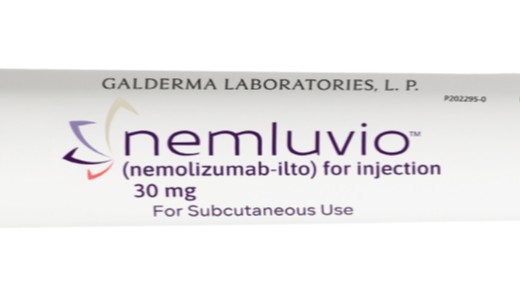
- Signs of change are emerging in the global atopic dermatitis treatment market. Galderma’s biologic ‘Nemluvio (nemolizumab)’ is rapidly gaining ground with its novel IL-31-targeting mechanism in a market long dominated by IL-4 and IL-13 inhibitors.According to Galderma on the 25th, Nemluvio generated sales of USD 433 million (approximately KRW 600 billion) in the first half of this year, representing year-on-year growth of 230.5%. Since its US approval in 2024, the drug has posted cumulative sales of USD 908 million in approximately 2 years.Backed by rapid itch relief and convenient dosing, Nemluvio is seeking reimbursed launch in Korea in the first half of next year. Its arrival is expected to affect the domestic treatment landscape for severe atopic dermatitis and prurigo nodularis.Galderma more than doubles US sales forecast for NemluvioGalderma reported record first-half sales of USD 3.14 billion (approximately KRW 4.34 trillion) in 2026. Nemluvio was a major driver of this performance.Sales in Galderma’s prescription medicine business surged 67.9% year on year to USD 848 million (approximately KRW 1.17 trillion). Nemluvio alone accounted for half (51.1%) of the division’s sales.Changes in Nemluvio Sales (Unit: USD 1 million)US prescribing of Nemluvio, the approved monoclonal antibody to target IL-31, is also expanding rapidly. Based on new prescriptions in the United States during June and July, Nemluvio captured approximately 42% of the prurigo nodularis market and approximately 9% of the atopic dermatitis market.The principal approved treatments for prurigo nodularis are limited to Dupixent (dupilumab) and Nemluvio. In contrast, the atopic dermatitis market is intensely competitive, with multiple biologics including Dupixent, Ebglyss (lebrikizumab) and Adtralza (tralokinumab) as well as Janus kinase (JAK) inhibitors. Despite these differences in the competitive landscape, Nemluvio has rapidly established a presence in the atopic dermatitis market.Dr. Flemming Ørnskov, CEO of Galderma, expressed confidence in Nemluvio’s blockbuster potential, projecting that “the product’s US sales alone would exceed USD 1 billion (KRW 1.417 trillion) in 2026.” Galderma has consequently more than doubled its forecast for Nemluvio’s peak annual sales to over USD 4 billion (approximately KRW 5.668 trillion).An FDA review is currently underway to expand Nemluvio’s indication to include children aged 2 to 11 years with atopic dermatitis, potentially providing further room for growth.Directly inhibits IL-31, a key driver of itch…delivers improvement within 48 hoursThe principal factor differentiating Nemluvio from existing treatments is its mechanism of action. Although several biologics target itching, Nemluvio is the only one that targets IL-31, a key cytokine that directly transmits itch signals. This distinguishes it from existing biologics that inhibit the IL-4 or IL-13 pathways involved in immune and inflammatory responses. Nemluvio is designed to interrupt at its source the itch–scratch cycle that causes the greatest distress to patients with atopic dermatitis and prurigo nodularis.The clinical benefits of targeting IL-31 were demonstrated in the large-scale global Phase III ARCADIA 1 and 2 trials in atopic dermatitis and the OLYMPIA 1 and 2 trials in prurigo nodularis.In atopic dermatitis, 44% of patients treated with Nemluvio achieved at least a 75% improvement in skin lesions at Week 16, as measured by EASI-75, compared with 29% in the placebo group. Itching was significantly reduced versus placebo beginning 48 hours after administration. In prurigo nodularis, 38% of patients receiving Nemluvio achieved clear or almost clear skin, defined as IGA 0 or 1, at Week 16, more than three times the 11% rate in the placebo group. In both indications, the drug demonstrated a significant reduction in itching compared with placebo within just 48 hours of administration.Nemluvio prefilled penAnnual injections reduced by 81%...2-year long-term safety demonstrated, ‘strongly recommended’ in guidelinesNemluvio is also considered competitive in terms of treatment convenience as well. For atopic dermatitis, it is initially administered once every 4 weeks. Patients who demonstrate a clinical response at Week 16 can subsequently transition to maintenance treatment once every 8 weeks.By reducing the annual number of injections to approximately 10, Nemluvio has been credited with decreasing the burden of treatment and hospital visits by approximately 81% compared with therapies administered every 2 weeks (26 times per year).Its efficacy was sustained in long-term extension studies lasting approximately 2 years. Among patients with atopic dermatitis, more than 85% achieved EASI-75, and more than 58% achieved IGA 0 or 1 at Week 104.Based on SCORAD visual analog scale (VAS) scores that measure itch severity, approximately 85% of patients achieved an improvement of at least 4 points at Week 104, while around 70% reached a level at which itching was absent or nearly absent.Among patients with prurigo nodularis, 73% achieved IGA 0 or 1 at Week 100, while more than 70% achieved absent or almost absent itch ((PP-NRS<2). Also, no new safety signals were observed, suggesting that Nemluvio could serve as a new treatment option offering sustained efficacy and a consistent safety profile in both diseases that inevitably require long-term treatment.Based on its rapid efficacy and convenience in administration, the American Academy of Dermatology (AAD) recommended Nemluvio in its updated 2025 atopic dermatitis treatment guidelines for use in combination with topical therapies in adults with moderate to severe disease.Korean launch draws near…with reimbursement targeted for first half of next yearGalderma Korea is also accelerating Nemluvio’s entry into the Korean market. In January this year, the drug received approval from the MFDS for the treatment of moderate to severe atopic dermatitis in patients aged 12 years and older, and for prurigo nodularis in adults, when topical prescription therapies do not provide adequate control or are not recommended.The drug is currently undergoing the reimbursement listing process, with the company seeking a reimbursed launch for atopic dermatitis in the first half of 2027.Nemluvio is the only biologic approved in Korea that targets the IL-31 receptor. Its introduction is expected to broaden the focus of atopic dermatitis treatment in Korea, which was previously centered on improving skin lesions and controlling inflammation, to include rapid itch relief and improved quality of life through once-every-8-week dosing.
- Company
- Expanding indication for 'Besremi' to treat ET in KOR
- by Son, Hyung Min Aug 26, 2026 10:15am
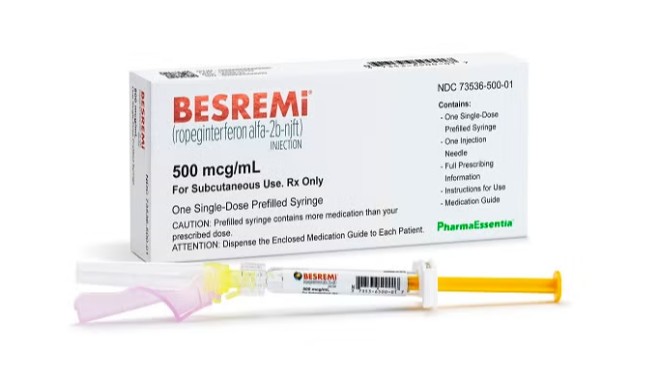
- PharmaEssentia's 'Besremi'The treatment area of Besremi (ropeginterferon alfa-2b), a treatment for polycythemia vera (PV), is expanding to include essential thrombocythemia (ET).While an approval decision is expected in the United States by the end of this month, PharmaEssentia Korea plans to submit a domestic marketing authorization application that can also be submitted for the US-approved indication. Because South Korean patients participated in the global Phase 3 clinical trial, the domestic indication expansion is also projected to accelerate.According to industry sources on the 22nd, the U.S. Food and Drug Administration (FDA) is reviewing a supplemental Biologics License Application (sBLA) to add the ET indication for Besremi. The FDA-designated Prescription Drug User Fee Act (PDUFA) decision date is August 30, local time.An official from PharmaEssentia Korea said, "The application submitted to the FDA is for patients with essential thrombocythemia requiring cytoreductive therapy," adding, "The company plans to file with the Ministry of Food and Drug Safety (MFDS) in accordance with the FDA-approved indication."Besremi is a long-acting interferon formulation currently used in South Korea to treat polycythemia vera. In October 2021, it was approved for the treatment of polycythemia vera without symptomatic splenomegaly in low-risk patients requiring cytoreductive therapy and in high-risk patients, subsequently entering National Health Insurance reimbursement in September of last year.If ET indication is added, Besremi will secure its second approved indication to treat myeloproliferative neoplasm (MPN) disease.Essential thrombocythemia is a chronic myeloproliferative neoplasm characterized by the overproduction of platelets in the bone marrow. As platelet counts rise, the risk of thrombosis or hemorrhage can increase. In some cases, patients progress to myelofibrosis or acute leukemia.In patients at high risk of thrombosis, cytoreductive therapy is utilized to lower platelet counts. Hydroxyurea (HU) is predominantly used, and when patients do not respond sufficiently or cannot sustain treatment because of adverse reactions, alternatives such as Anagrelide or interferon may be considered. According to PharmaEssentia, no new therapeutic agent has been approved for ET in the United States since Anagrelide in 1997.Superiority over Anagrelide in patients who are HU-refractory or intolerantThe primary clinical basis for the FDA regulatory submission is the global Phase 3 SURPASS-ET trial.The SURPASS-ET trial is a randomized clinical trial directly comparing the efficacy and safety of Besremi and Anagrelide in 174 patients with ET who are refractory or intolerant to hydroxyurea.In South Korea, seven institutions participated in the trial, including Seoul National University Hospital, Severance Hospital, Soonchunhyang University Seoul Hospital, Samsung Medical Center, Seoul St. Mary's Hospital, Korea University Guro Hospital, and Daegu Catholic University Medical Center.The primary endpoint was the proportion of patients maintaining a response according to modified European LeukemiaNet (ELN) criteria at 9 and 12 months.In the study, the sustained response rate in the Besremi treatment group was 42.9%, significantly higher than the 6.0% observed in the anagrelide group.Specifically, 56.0% of patients achieved platelet control at or below 400×10⁹/L and leukocyte control below 9.5×10⁹/L in the Besremi group, compared with 6.0% in the anagrelide group.The proportion of patients with improvement or stabilization in disease-related symptoms was 71.4% in the Besremi group, higher than 33.7% in the anagrelide group. The rate of splenomegaly improvement or stabilization was 87.9% in the Besremi group versus 54.2% in the anagrelide group.Divergence was also observed in thrombosis-related outcomes. Major thrombotic events associated with ET occurred in 1 patient (1.1%) in the Besremi group, whereas 7 patients (8.8%) reported events in the anagrelide group.The JAK2 V617F allele burden, which reflects changes in disease-driving clones, also declined after Besremi administration. In the Besremi group, the mean allele burden decreased from 33.7% at baseline to 25.3% at 12 months, whereas the anagrelide group showed a smaller change, from 39.7% to 37.3%.In terms of safety, the rate of treatment discontinuation due to adverse events was 5.5% in the Besremi cohort compared to 18.8% in the anagrelide cohort, while treatment-related serious adverse events were recorded at 2.2% and 10.0%, respectively.Expanding clinical evidence to treatment-naïve patientsFollowing the SURPASS-ET trial, PharmaEssentia is evaluating Besremi's potential across a broader range of ET patients.The Phase 2b EXCEED-ET trial conducted in North America enrolled both treatment-naïve and previously treated patients. In this study, the durable objective response rate with Besremi was 60.2%.Overall analysis results released this year also confirmed hematologic and molecular responses regardless of prior lines of therapy, race, or specific driver mutation subtypes such as JAK2, CALR, and MPL.Long-term follow-up data also suggested disease control benefits in patients initiating Besremi at an earlier stage. In a 2-year analysis of the SURPASS-ET trial, the estimated 24-month progression-free survival (PFS) rate for patients receiving frontline Besremi reached 76.9%, exceeding the 43.1% recorded in patients who switched to Besremi following anagrelide treatment.Based on these clinical trial outcomes, PharmaEssentia plans to propose a therapeutic strategy in ET that extends beyond basic platelet count control to reducing disease-associated clones.
