
- LOGIN
- MemberShip
- 2026-05-04 16:26:38
- Company
- Dong-A and Pfizer win Industry Ad-PR Awards
- by Kim, Jin-Gu Dec 07, 2023 05:47am
- Dong-A Pharmaceutical's ‘Bacchus’ and Pfizer Korea's 'Green Move Campaign' won the grand award in the advertising and PR categories of the 2023 Korea Pharmaceutical and Bio-Industry Advertising and PR Awards. On the 6th, Dailypharm (CEO: Jeong Seok Lee) held the ‘2023 Korea Pharmaceutical and Bio-Industry Advertising and PR Awards Ceremony’ at the K-room of the Korea Pharmaceutical and Bio-Pharma Manufacturers Association heqdquarters. Now celebrating its 11th year, the competition for the award had been stronger than ever, with 77 entries from 39 pharmaceutical companies. The awards were divided into advertising and PR categories. In the advertising category, 1 grand prize, 1 best excellence prize, and 1-3 excellence prizes were given in each of the 3 areas: ▲TV-CF, ▲print-radio, and ▲Internet-SNS. In the PR category, one grand prize, 1 best excellence prize, and 2 excellence prizes were awarded given in 2 areas: ▲social contribution and disease promotion campaigns, and ▲corporate and product promotion. Dong-A Pharmaceutical's ‘Bacchus’ seized the grand prize in the advertisement category. Among the 49 entries that were made in the category, Dong-A’s advertisement received the highest scores for message clarity, novelty, and consumer trust. The grand prize awardee received a trophy and a cash prize of KRW 5 million. Sang-Hyun Han, Advertisement Team Lead at Dong-A Pharmaceutical, said, “This year marks the 60th anniversary of Bacchus’s launch. We prepared an ad that looked back on the past 60 years of Korea with Bacchus and is pleased that our ad received good reviews as a result.” Han said, “We plan to release a more youthful and dynamic ad next year that celebrates Bacchus’s 60 years to come. We are planning an innovative and fresh advertisement that can lift the public's fatigue like our product.” In the TV-CF field, Dong Wha Pharm’s ‘Pancol’ received the best excellence prize, and was awarded a trophy and a cash prize of KRW 3 million. Boryung Consumer Healthcare’s ‘Younggaksan Cool,’ Johnson & Johnson Korea’s ‘Tylenol,’ and Samjin Pharm’s ‘Anjung Sol’ received excellence prizes and a cash prize of KRW 2 million. In the Internet and SNS field, Yuhan Corp’s ‘Contac Gold’ received the best excellence prize. Ahn-gook Pharm’s ‘Tobicom’ and Daewon Pharm’s ‘Newbein’ received excellence prizes. In the Print-Radio field, Daewoong Pharmaceuticals ‘Impactamin’ received the best excellence prize, and Kukje Pharm’s ‘Company PR ad’ received the excellence prize. In the PR category, 28 entries on the company’s CSR activities and company promotion were submitted by companies. Among the 28, Pfizer won the grand prize in the PR category with its ‘Green Move Campaign.’ As the grand prize awardee, Pfizer received a trophy and a cash prize of KRW 5 million. Oh Hye-min, Policy & Public Affairs Lead at Pfizer Korea, said, “Corporate ESG activities are no longer an option – it is an obligation. As our company is already engaged in various ESG activities at the headquarters level, we decided to start the Green Move campaign after long discussions on what Pfizer Korea could additionally provide to society. We want to make it a mid-to-long-term project rather than just a one-time event. We look forward to your interest." In the CSR and disease awareness campaign, area Sinsin Pharm’s ‘Shinshin H2O Life’ won the best excellence prize. The runners-up were Withus Pharmaceutical's ‘Sponsorship of the Korea Ssireum Association’ and Korea United Pharm’s ‘Global Talent Development Program.’ In Company PR and product promotion area, Hanmi Pharm’s ‘50th Anniversary History Discovery Campaign’ won the best excellence prize, while Geo-Young’s " Zyrtec 10mg for Allergic Rhinitis" and Boehringer Ingelheim's ‘Trajenta’ received excellence prizes. Dae-Chun Ahn, former president of the Korea Advertising Society (Inha University) served as the head of the judging panel for this year’s event, and Jae-Hoon Cheong, professor of Pharmacy at Sahmyook University, and Jae-Kook Lee, executive director of the Korea Pharmaceutical and Bio-Pharma Manufacturers Association served as expert judges. Ahn said, "In the Advertising category, the judges focused on the delivery and clarity of the theme and message, how novel and original the ideas and expressions were, and how credible the message was beneficial to the consumers’ public interests." He added, "In the corporate PR category, we focused on how timely the message was from a long-term perspective and how it contributed to the consumers’ public interest. For CSR activities, an area that was newly introduced this year, we focused on the authenticity of the message, the degree of reflection into society, and the continuity and consistency of the campaign activities." The Korea Pharma & Bio Industry Advertising-PR Award was launched in 2013 to encourage advertisers to add new value to the pharmaceutical industry and drugs, and to encourage the creation of advertisements that resonate with pharmacists, the primary consumers of pharmaceutical advertisements." Jeong Seok Lee, CEO of Dailypharm, said, "I would like to congratulate the 17 pharmaceutical company officials that won today's awards. The awards are one recognition of the hard promoting and marketing work and efforts companies made throughout the year. We look forward to seeing more great work next year."
- Company
- Jemperli becomes 1st immunotherapy for endometrial cancer
- by Eo, Yun-Ho Dec 06, 2023 06:00am
- The first reimbursed immunotherapy option has been introduced to the field of endometrial cancer in Korea. According to industry sources, GSK Korea’s PD-1 inhibitor Jemperli (dostarlimab) has been listed for reimbursement in Korea from December 1st. Since receiving marketing authorization from the Ministry of Food and Drug Safety in December last year, the company moved relatively quickly through the reimbursement process, passing HIRA’s Drug Reimbursement Evaluation Committee deliberation in August, and recently completed drug price negotiations with the NHIS and received approval from the Health Insurance Policy Review Committee. GSK has been carrying out an Expanded Access Program (EAP) in 15 major medical institutions in Korea even before filing for reimbursement to provide access to patients in need of treatment for endometrial cancer. The program has now been closed and Jemperli is being reimbursed through the NHIS as of this month. Jemperli’s approval was based on the cohort A1 analysis results of the Phase I multicohort GARNET trial that demonstrated the efficacy of Jemperli in a cohort of patients with relapsed or advanced dMMR/MSI-H endometrial cancer who progressed on or following prior treatment with a platinum-containing regimen. In particular, this study had the largest cohort among PD-1 inhibitor monotherapy studies for dMMR/MSI-H endometrial cancer patients among those that have been conducted so far. The major efficacy outcome measures of the study were Objective Response Rate (ORR) and Duration Of Response (DOR) as determined by a Blinded Independent Central Review (BICR) according to (Response Evaluation Criteria Solid Tumors) RECIST v 1.1. As a result of analyzing a total of 108 patients with a median follow-up of 16.3 months, Jemperli demonstrated durable antitumor activity with a manageable safety profile. In the cohort, the ORR was 43.5% (95% CI, 34.0-53.4) and the median DOR was not yet reached. Disease Control Rate (DCR) was 55.6%, and the proportions of responses lasting 6 and 12 months were 97.9% and 90.9%, respectively. Endometrial cancer develops in the endometrium, the inner lining of the uterus, and accounts for the majority of cervical cancer. Roughly, 1 out of 4 endometrial cancer patients are diagnosed to be in the advanced stage or experience recurrence, and patients whose disease recurs after platinum-based chemotherapy have limited treatment options.
- Company
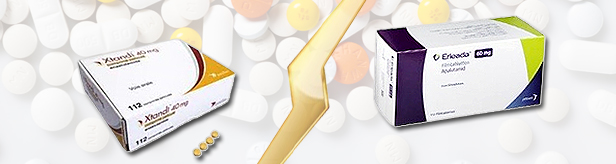
- Erleada chases leader Xtandi in prostate cancer mkt
- by Kim, Jin-Gu Dec 06, 2023 06:00am
- Pic of Astella Astellas Pharm Korea ‘Xtandi (enzalutamide)’ took the lead among oral androgen receptor targeted agents (ARTAs) used to treat prostate cancer. In comparison to declining sales of Janssen's ‘Zytiga (Abiraterone),’ sales of Janssen's other prostate cancer drug ‘Erleada (Apalutamide)’ has been rapidly increasing since being released just 6 months ago, chasing Xtandi in the market. Xtandi's Q3 sales KRW 11.7 billion…top among ARTAs for prostate cancer The ARTA-type prostate cancer treatment, Xtandi, posted KRW 11.7 billion in sales in Q3. According to IQVIA, a pharmaceutical industry research institute, this represents a 53% increase from the KRW 7.6 billion it had raised in the same quarter last year. Xtandi is approved for ▲the treatment of asymptomatic or mildly symptomatic metastatic castration-resistant prostate cancer (mCRPC), ▲mCRPC previously treated with docetaxel, ▲high-risk non-metastatic castration-resistant prostate cancer, and ▲hormone-sensitive metastatic prostate cancer (mHSPC) in combination with androgen deprivation therapy (ADT). It was approved in Korea in June 2013 and received reimbursement in November following year. Recently, Xtandi's sales have increased sharply, especially since Q3 last year. Previously, its sales ranged around KRW 6 billion, but this significantly increased to KRW 7.6 billion in Q3 last year, then to KRW 8.7 billion in tQ4, KRW 10.5 billion in Q1 this year, and KRW 11 billion in Q2. The increase in sales last year is attributed to the expanded reimbursement. In August, selective reimbursement was granted for the use of ADT as combination therapy for patients with progressive prostate cancer accompanied by distant metastasis. Starting this November, reimbursement for ADTs were extended and is applied regardless of the use of other androgen-production-suppressing drugs. Despite a 3% reduction in the insurance price due to its increased usage, its increase in prescriptions is said to have offset this decrease. Quarterly sales of major ARTA prostate cancer treatments (Unit: KRW 100 mil, Data: IQVIA) Zytiga sales 'slow down'...Erleada sales reach KRW 4.8 billion in only half a year ' Zytiga, a previous competitor of Xtandi, has recently shown a decline in sales. Zytiga's sales in the last quarter were KRW 4.8 billion, a 14% decrease from KRW 5.6 billion of the previous year. Since 2021, Zytiga had closely chased Xtandi in terms of sales. In Q1 2021, sales of Xtandi and Zytiga were KRW 7.6 billion and KRW 2.9 billion, respectively, which is a 2.7 times difference. By Q1 2022, this gap narrowed to 1.2 times, with sales reaching KRW 6.4 billion for Xtandi and KRW 5.2 billion for Zytiga. The sales difference between the 2 drugs further decreased to less than KRW 1 billion in Q2 that year. However, Zytiga's sales have continued to remain in the range of KRW 5 billion since then. Meanwhile, Xtandi's sales increased rapidly. From Q2 his year, the sales difference between the two drugs doubled. Pic of JanssenJanssen's new ATRA-type prostate cancer treatment, Erleada, has rapidly increased its sales since its introduction. In December 2020, Erleada was approved as Janssen's third ATRA prostate cancer therapy. It was added to the reimbursement listing in April this year. Following the listing, Erleada generated sales of KRW 2.7 billion in the second quarter and increased to KRW 4.8 billion in the third quarter, marginally surpassing the sales of Zytiga. Therefore, Janssen plans to focus on Erleada as a latecomer follow-on drugs to Zytiga, aiming to challenge the market leader Xtandi. The market stirrer would be the change in the patient co-payment rates for Xtandi and Zytiga, and the generics development by domestic pharmaceutical companies. Last month, the co-payment rates for Xtandi and Zytiga were adjusted from 30% to 5%. This change occurred following the listing of Erleada, the third ARTA prostate cancer therapy, at a 5% co-payment rate. The maximum reimbursement amount (listed price) for Xtandi was adjusted in the process. Xtandi was registered as a subject to essential reimbursement through a risk-sharing agreement (RSA). With expanded reimbursement, the listed price per tablet was reduced from KRW 28,820 to KRW 14,170. This will be reflected after the fourth quarter of this year. The release of a Zytiga generic by a domestic pharmaceutical company is also anticipated to significantly influence the competitive ground. Hanmi Pharm launched Abiraterone, a generic of Zytiga, under reimbursement in October. As a result, the price of Zytiga was reduced by 30%, from KRW 16,780 to KRW 11,746 per tablet. This price reduction is expected to be reflected in sales after the fourth quarter of this year, potentially resulting steeper decline in Zytiga's sales.
- Company
- AbbVie Korea strengthens its autoimmune disease pipeline
- by Eo, Yun-Ho Dec 05, 2023 05:48am
- AbbVie Korea is actively working to advance its position in the field of autoimmune diseases. According to industry sources, AbbVie Korea successfully expanded the indications for its Interleukin-23(IL-23) inhibitor 'SKYRIZI (Risankizumab)’ and JAK inhibitor ‘RINVOQ (Upadacitinib).’ On November 15th, an indication was added for SKYRIZI to treat adult patients with moderately to severely active Crohn's disease who had responded inadequately or were intolerant to biologic therapy and/or existing therapies. The approval was based on a multicenter, randomized, double-blind, placebo-controlled Phase III trial that demonstrated the efficacy, safety, and tolerability of SKYRIZI in adult patients with moderate-to-severe active Crohn’s disease. In the ADVANCE and MOTIVATE induction trials, 1,419 patients were randomly assigned to receive 6000 mg intravenously, 1,200 mg intravenously, or placebo at week 0, week 4, and week 8. Clinical remissions and endoscopic responses were measured by stool frequency (SF) and abdominal pain score (APS) at 12 weeks. The FORTIFY trial evaluated 462 patients who showed clinical response to 12 weeks of intravenous induction therapy in the ADVANCE and MOTIVATE trials. Patients were randomly assigned to receive either subcutaneous risankizumab 180 mg, subcutaneous risankizumab 360 mg, or withdrawal from risankizumab to receive subcutaneous placebo every 8 weeks for up to 52 weeks. The primary endpoints were clinical remission and endoscopic response at week 52. SKYRIZI is currently approved and reimbursed in Korea to treat moderate-to-severe plaque psoriasis in adults who are candidates for phototherapy and systemic therapy (including biologic treatment), as well as to treat active psoriatic arthritis in adults who are non-responsive to DMARDs (disease-modifying anti-rheumatic drug). As for RINVOQ, its reimbursement has been expanded to the treatment of severe active ankylosing spondylitis from December. Accordingly, patients with severe active ankylosing spondylitis who have stopped receiving treatment due to poor response to one or more types of tumor necrosis factor-alpha inhibitor (TNF-α inhibitor) or IL-17A inhibitor will be able to receive reimbursement for once daily treatment of 15mg of RINVOQ. The reimbursed price of RINVOQ is KRW 19,831 for once-daily dose of 15 mg, and patients covered by special exemption of calculations provisions only have to pay 10% of the drug price. RINVOQ proved efficacy in patients with severe active ankylosing spondylitis who were enrolled in the Phase 2/3 SELECT-AXIS1 and the Phase 3 SELECT-AXIS2 clinical trials. In both SELECT-AXIS 1 and 2 clinical studies, the ASAS40 (Assessment of Spondyloarthritis International Society response standard improvement of 40% or more) response rate for patients treated with RINVOQ 15 mg was 52.0% and 45.0%, respectively, at 14 weeks. This was significantly higher than that of the placebo group (26.0% and 18.0%, respectively.) In addition, the ASAS40 response was observed from Week 2 in SELECT-AXIS1 and from @eek 4 in SELECT-AXIS 2, confirming quicker effect of the drug. In the SELECT-AXIS 2 clinical trial, the average reduction in back pain in the Rinvoq 15mg treatment group was -3.00, which is a significant decrease compared to the placebo group (-1.47), and the intensity of morning stiffness also decreased by -3.08 compared to the baseline value compared to the placebo group (-1.67). Lee Sin Suk, Chairman of Korean College of Rheumatology, said, “RINVOQ has significantly improved the pain, inflammation, and joint damage in patients with severe active ankylosing spondylitis, and also helped improve the quality of life in patients as well as reaching treatment goals. The reimbursement expansion is likely to address the unmet need and alleviate the financial burden of patients who had been unable to receive benefits, and is expected to offer an effective oral treatment option for the patients."
- Company
- Companies in KOR and abroad compete in Eylea biosimilar mkt
- by Son, Hyung-Min Dec 05, 2023 05:48am
- Intense challenges are being made against Bayer's Eylea, the current leader in the macular degeneration market. Not only domestic biosimilar companies like Celltrion and Samsung Bioepis but also traditional pharmaceutical companies such as Sam Chun Dang Pharm have thrown down the gauntlet. Bayer and Regeneron, the original developers of Eylea, thus face fierce market competition not only with biosimilar developers but also with Roche's next-generation macular degeneration treatment, Vabysmo. According to industry sources on the 3rd, among domestic companies, Sam Chun Dang Pharm, Celltrion, Samsung Bioepis, and Alteogen are currently developing Eylea (aflibercept) biosimilars. All four companies have set their sights on the global market, preparing to receive approvals in the U.S. and Europe in addition to the Korean market. In the U.S., Celltrion, Amgen, and Sandoz are close to commercializing their biosimilars in the U.S. These companies have now completed global Phase III clinical trials and applied for marketing authorization in the U.S. and Europe. Eylea’s U.S. new drug exclusivity expires next May, and its European substance patent expires in November 2025. In Korea, Sam Chung Dang Pharm is nearing approval. The company applied for the marketing authorization of its Eylea biosimilar candidate ‘SCD411’ in two formulations - vial and prefilled syringe formulation – in Korea last month. Sam Chung Dang Pharm is the first company to apply for the approval of a prefilled syringe formulation of Eylea. The application was filed based on SCD411’s Phase III trial results. The trial, which had been conducted on 576 patients, demonstrated SCD411’s bioequivalence to Eylea. Based on the results, Sam Chung Dang Pharm is also preparing to apply for marketing approval of SCD411 in the United States and Europe as well. Eylea to inevitably compete with biosimilars and Vabysmo Pharmaceutical and bio companies in Korea and overseas have jumped into developing biosimilars due to the high marketability of Eylea. Eylea’s global sales were approximately USD 1.4 billion (KRW 1.9 trillion) in Q1 this year and USD 1.5 billion (KRW 2.373 trillion) in Q2 this year. Eylea had posted the highest sales in the domestic macular degeneration market. According to the pharmaceutical market research institution IQVIA, Eylea’s sales, which had been around KRW 46.8 billion in 2019, exceeded KRW 60 billion in 2020. Sales continued to grow, and Eylea posted KRW 80.4 billion in sales last year. However, sales generated by Eylea’s competitors last year, Novartis’ Lucentis (ranibizumab) and Beovu (brolucizumab) were only KRW 29.4 and KRW 14.5 billion, respectively. In addition to the challenges made by the biosimilar developers, Bayer’s Eylea is starting competition in earnest with Roche's macular degeneration drug Vabysmo (faricimab). Unlike existing VEGF inhibitors like Lucentis, and Eylea, the drug’s dual mechanism of action allows for it to also block the angiopoietin-2 (Ang-2) pathway to inhibit neovascularization. In particular, in clinical trials, Vabysmo improved visual acuity at a level non-inferior to that of Eylea, which is administered at 8-week intervals, when administered at intervals of up to 16 weeks. Vabysmo was granted reimbursement and released in earnest in October last month. Roche is also known to be planning to introduce a prefilled syringe formulation of Vabysmo next year.
- Company
- Celltrion applies for US approval of its Prolia biosimilar
- by Chon, Seung-Hyun Dec 04, 2023 05:13am
- Celltrion announced today that it has filed an application for the marketing authorization of its, ‘CT-P41,’ to the US Food and Drug Administration (FDA). CT-P41 is a biosimilar of ‘Prolia,’ a treatment for osteoporosis. Based on the results of a global Phase III clinical trial on CT-P41, Celltrion filed for marketing authorization of its substance for all of Prolia’s indications, including osteoporosis, bone loss, prevention of skeletal complications from multiple myeloma or solid cancer bone metastases, and giant cell tumor of bone. Prolia is a biological osteoporosis treatment that targets the RANKL protein essential for the formation, activation, and survival of osteoclasts that destroy the bone. The same active ingredient is also licensed under the brand name ‘Xgeva’ for the prevention and treatment of bone metastasis complications in cancer patients. Based on IQVIA, the drug generated USD 5.83 billion in sales last year (KRW 7.54 trillion), and its patent is set to expire in the U.S. and Europe in February 2025 and November 2025, respectively. In October, Celltrion conducted a global Phase III trial on 477 patients in postmenopausal women with osteoporosis in 4 countries including Poland and Estonia, to confirm the bioequivalence and pharmacodynamic similarity to the original drug. Celltrion has worked continuously with the FDA and the European Medicines Agency (EMA) throughout the development process to design a global development program that will enable CT-P41 to be approved simultaneously as a Prolia and Xgeva biosimilar, based on the results of the global Phase III study. The company explained that CT-P41 will be allowed to be prescribed interchangeably with the original product once it is approved in the U.S. because it will receive interchangeable biosimilar status. Following the U.S. approval, Celltrion plans to file for approval in other major global markets, including Europe. A Celltrion official said, "After confirming the bioequivalence and similarity of CT-P41 in the Phase III trial, we have submitted our application for its marketing authorization in the U.S. as an interchangeable biosimilar. will continue to work with regulatory authorities to complete the remaining approval processes."
- Company
- Pharma companies fiercely compete to develop ADC drugs
- by Son, Hyung-Min Dec 01, 2023 05:35am
- Competition among domestic pharmaceutical companies to secure new antibody-drug conjugate (ADC) technology has been intensifying in Korea. With ADC drugs recently demonstrating an effect on various cancer types, there is an analysis that the industry is making active measures to secure new ADC technologies. According to the pharmaceutical industry on the 29th, not only pharmaceutical companies such as Samjin Pharm and Chong Kun Dang, but also bio companies such as LegoChem Biosciences, ABL Bio, PinotBio, AIMed Bio, Celltrion, Samsung Biologics, and Lotte BioLogics have entered the ADC market. ADCs are drugs made by connecting antibodies that bind to specific target antigens on the surface of tumor cells to cytotoxic payloads with a linker. ADC has the advantage of increasing the treatment effect while minimizing side effects due to the target selectivity of the antibody and the apoptosis activity of the drug, which induces the drug to work selectively to target cancer cells. Domestic pharma and bio companies start developing ADC candidates through open innovation… is seeking promising ADC candidates The domestic pharmaceutical and bio industry joined in the ADC development game through open innovation. Accordingly, an overall platform technology has been implemented in all stages of development from early-stage candidate discovery to preclinical trials. To date, LegoChem Biosciences has successfully licensed-out 9 contracts in the field of ADC. Starting with technology transfer to China's Fosun Pharmaceutical Group in 2015, the company has licensed-out 5 pipeline platform technologies to Amgen in December last year. LegoChem Biosciences owns 2 proprietary platform technologies, ‘ConjuAll’ and ‘LegoChemistry.’ ABL Bio is developing ABL201, an ADC candidate targeting blood cancer, and ABL202, targeting solid cancer. ABL Bio also successfully licensed-out ABL201 to bio venture TSD Life Sciences. Also, ABL202 is being developed by incorporating LegoChem Biosciences linker technology. PinotBio is developing PINOT-ADC, which was developed by changing the chemical structure of camptothecin, a topoisomerase class anticancer drug. The candidate substance that linked PINOT-ADC to the HER2 targeting antibody was confirmed to have an anti-tumor effect in a preclinical mouse model. , Ahn-Gook Pharmaceutical, Celltrion, and Lotte Biologics, who eyed PinotBio’s technological capabilities, have made equity investments. AIMed Bio is developing its solid cancer-targeted ADC candidate, AMB302. AMB302 is a novel drug candidate targeting FGFR3 for glioblastoma and bladder cancer. Its first clinical trial is scheduled to begin next year. AIMed Bio received an equity investment from a Life Science Fund created by Samsung C&T, Samsung Biologics, and Samsung Bioepis last September. Samjin Pharm started ADC development in earnest after signing an agreement for joint R&D with an ADC specialist, Novelty Nobility. Under the agreement, the partners will be investigating the use of Samjin Pharm’s new payload with Novelty Nobility’s linker technology. The company is known to be developing differentiated payloads, unlike existing ADC new drug development companies. Chong Kun Dang will begin exploring candidate substances using the Dutch ADC company Synaffix’s ADC technology. Chong Kun Dang plans to secure the rights to use Synaffix’s 3 ADC platform technologies, GlycoConnect, HydraSpace, and an undisclosed linker-payload from the toxSYN platform, to develop ADC anticancer drugs. Samsung Biologics, Celltrion, and Lotte BioLogics are also expanding their ADC contract development and manufacturing (CDMO) business in addition to investing in new drug development companies. ADC development difficult…only around 10 candidates became commercialized Daiichi Sankyo and AstraZeneca’s ADC drug Enhertu Domestic pharmaceutical and bio companies are eager to develop ADC drugs because of the excellent effect demonstrated by ADC drugs developed to date. In particular, relatively recently released drugs are attracting attention as they have secured superior data over existing treatments for various cancer types. However, due to its difficulty in development, only a handful of drugs have been commercialized as of now. Since Pifzer’s Mylotarg (gemtuzumab ozogamicin) was released in early 2000s, Takeda’s Adcetris (Brentuximab vedotin), Roche’s Kadcyla (Trastuzumab emtansine), Pfizer’s Besponsa(Inotuzumab ozogamicin), and Roche’s Polivy (Polatuzumab vedotin-piiq) were successfully commercialized. Recently, Astellas’ Padcev (enfortumab vedotin), Gilead’s Trodelvy (sacituzumab govitecan), and Daiichi Sankyo and AstraZeneca’s Enhertu (trastuzumab deruxtecan) were also released into the market. The relatively recently released drugs have been demonstrating their efficacy in areas with a high unmet need or where existing treatments were ineffective, and have been scoring various therapeutic indications like immune-oncology drugs. In the case of Enhertu, it is currently approved as a treatment for HER2-positive breast cancer and gastric cancer in Korea but has also shown effectiveness in areas that lack treatment options, such as triple-negative breast cancer and non-small-cell lung cancer. Trodelvy is also looking to secure various indications. Currently, it has been approved as a treatment for triple-negative breast cancer in Korea, but its efficacy and safety are also evaluated for HR+/HER2- breast cancer and non-small-cell lung cancer.
- Company
- AstraZeneca appoints Sewhan Chon as new Country President
- by Eo, Yun-Ho Dec 01, 2023 05:35am
- Sewhan Chon, new Country President of AstraZeneca Korea. Sewhan Chon (49), former Country President of AstraZeneca Indonesia, has been appointed the new Country President of AstraZeneca Korea. According to industry sources, Sewhan Chon has officially taken office as the Country President of AstraZeneca Korea as of the 1st. With the appointment, the former Country President, Kim Sang-pyo (53), has resigned. Kim has had led AstraZeneca Korea for 5 years since being appointed in 2018. The new Country President Chon had previously served as the Business Unit Director of the Cardiovascular, Renal, and Metabolic Disease BU until August 2020, then was promoted to lead the Indonesian subsidiary in September of the same year. Chon had also served as the Interim Country President of AstraZeneca Korea after Liz Chatwin, former Country President of the Korean subsidiary, was appointed to head the Australia and New Zealand subsidiary from September 2017 until Kim’s appointment. Chon graduated with a BA in Business Administration from Korea University and received an MBA from the Wharton School of the University of Pennsylvania. Before joining the pharmaceutical industry, he worked as a financial expert at global accounting consulting companies including Price Waterhouse Coopers (PWC), Afterward, he entered the pharmaceutical industry as a finance manager at Abbott Laboratories and continued to build his career at Novartis headquarters, its US subsidiary, and AstraZeneca Korea, building capabilities not only in finance but also in R&D and BD, to rise to the position of Country President.
- Company
- Demand for ADC Enhertu rise despite nonreimbursement
- by Kim, Jin-Gu Nov 30, 2023 05:55am
- Cumulative sales of Daiichi Sankyo’s HER2-positive breast cancer treatment ‘Enhertu (trastuzumab-deruxtecan)’ have exceeded KRW 10 billion even without reimbursement. According to the market research institution IQVIA on the 27th, Enhertu's cumulative sales were KRW 13.8 billion by Q3 this year. Sales steadily increased from KRW 2.2 billion in Q1, to KRW 5.2 billion in Q2, then to 6.4 billion in Q3 this year. In other words, the drug has posted cumulative sales of more than KRW 10 billion without insurance reimbursement. The non-reimbursed administration cost of Enhertu is known to be around KRW 7 million for each cycle that consists of 3 doses. For patients who participate in the company's Patient Assistant Program (PAP), the price drops to the high KRW 5 million range, which still poses quite a burden to the patient. Sales show that quite a few patients are in need of the drug. Voices calling for Enhertu's reimbursement were even raised during the National Assembly audit. At the NA audit on the National Health Insurance Service and Health Insurance Review and Assessment Service, Rep. Ki-Yoon Kang of the People Power Party, said, “I do not understand why Enhertu, which is undergoing pharmacoeconomic evaluations, cannot be reimbursed even though its global clinical trials are complete. Please review its reimbursement so no patients are left to die due to a lack of treatment.” Enhertu is a treatment for HER2-positive breast cancer. It is an antibody-drug conjugate (ADC) that has recently attracted attention and was approved by the Ministry of Food and Drug Safety in September last year. It is indicated for ▲unresectable or metastatic HER2-positive breast cancer who have received two or more prior anti-HER2-based regimens (third-line or higher treatment), and ▲locally advanced or metastatic HER2-positive gastric or gastroesophageal junction adenocarcinoma who have received two or more prior therapies including an anti-HER2-based regimen. It further expanded indications in December and can be used in patients with unresectable or metastatic HER2-positive breast cancer who have received one or more prior anti-HER2-based regimens. However, it has been making less progress in receiving insurance reimbursement. Although the agenda had passed HIRA’s Cancer Disease Deliberation Committee review after redeliberation in May, it remains pending without being presented for review at the Drug Reimbursement Evaluation Committee level. The company had recently submitted supplementary pharmacoeconomic evaluation data to HIRA and is again awaiting DREC review. However, the company and the government are having difficulty reaching a consensus regarding Enhertu’s pharmacoeconomic evaluation results. The industry analysis is that Enhertu's superior effect is hindering economic evaluations. For pharmacoeconomic evaluations, Enhertu’s cost-effectiveness is being compared to that of Kadcyla. Enhertu demonstrated an extension in median progression-free survival (mPFS) by more than 22 months compared to existing drugs. The prolonged survival leads to an increased administration period. However, the current economic evaluation system is known to have difficulty reflecting this. Enhertu demonstrated a significant improvement in progression-free survival (PFS) in the DESTINY-Breast03 trial that compared Enhertu with trastuzumab emtansine (T-DM1) in patients with HER2-positive unresectable or metastatic breast cancer previously treated with one or more anti-HER2 therapy. The median PFS for patients in the Enhertu arm was 28.8 months compared with 6.8 months for the T-DM1 arm. Also, in terms of OS, the key secondary endpoint in the trial, Enhertu demonstrated a statistically significant 36% reduction in risk of death versus T-DM1. Also, in the DESTINY-Breast01 trial, Enhertu demonstrated continued anticancer effect in patients with unresectable or metastatic HER2-positive breast cancer who have received two or more prior anti-HER2-based regimens that include T-DM1, trastuzumab, and pertuzumab. Results showed that Enhertu met its main efficacy outcome with a confirmed objective response rate (ORR) of 60.9% % (95% CI, 53.4-68.0) and a mPFS of 16.4 months.
- Company
- Samsung Biologics’ CMO orders exceed KRW 3 trillion this yr
- by Chon, Seung-Hyun Nov 29, 2023 05:50am
- Samsung Biologics Samsung Biologics announced on the 28th that its contract manufacturing organization (CMO) orders this year will exceed KRW 3 trillion. On the day, the company publicly announced that it signed 1 new and 4 expanded CMO deals. Samsung Biologics signed a CMO deal worth KRW 588.8 billion with Asian pharmaceutical companies. In addition, the CMO order amount increased by KRW 171.9 billion with the 4 expanded contracts, As a result, the company's cumulative annual CMO order amount has reached KRW 3.4867 trillion, surpassing KRW 3 trillion for the first time since its establishment. The company explained, “Based on the solid trust we have built with our customers, large multinational pharmacuetical companies. that have initially signed agreements with us have all expanded the contracted line of products or increased the production scale of previously contracted quantities, strengthening partnerships thereafter.” The company’s fourth plant, which began full operations in June, is the world's largest facility with a production capacity of 240,000 liters. The plant has been continuously recording a high utilization rate due to the increase in large-scale orders from large multinational pharmacuetical companies. Samsung Biologics is currently operating 4 biopharmaceutical manufacturing plants. The company further strengthened its CMO capacity by starting its fourth factory 23 months after construction in October last year, which has the world's largest production capacity (240,000 liters) for a single plant. Samsung Biologics has secured a total production capacity of 618,000 liters along with the existing 3 factories (Plant 1 30,000 liters, Plant 2 152,000 liters, Plant 3 180,000 liters). In order to preemptively respond to market demand, Samsung Biologics began construction of a fifth plant with a 180,000 capacity last April with the goal of completion in April 2025. When the fifth factory is completed, Samsung Biologics' total production capacity will be expanded to 784,000 liters.
