
- LOGIN
- MemberShip
- 2026-05-04 16:26:40
- Company
- Hugel Resolves to Retire 371,563 shares of its own stock
- by Nho, Byung Chul Dec 28, 2023 01:14pm
- Hugel, a global total medical aesthetics company, announced that it has held a board of directors meeting on the 22nd and passed a resolution to retire 371,563 shares of its own stock to enhance the shareholder’ value. This is equivalent to around 3% of the total outstanding shares (12,385,455 shares), and the expected value of the retired stocks amounts to 54,587,063,456 KRW based on the average acquired unit price. The total number of outstanding shares will decrease, but there will be no decrease in capital. The scheduled retirement date is the 29th of this month.
- Company
- Tezspire lands in Korea…joins 6-way race
- by Dec 28, 2023 06:02am
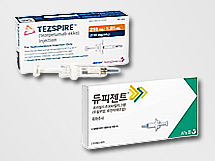
- The new drug for severe asthma that emerged joined the competition with the five existing biologics that were being used in Korea. AstraZeneca, which recently received domestic approval for its new drug, plans to differentiate itself from existing treatment options with new mechanisms of action and formulations. According to industry sources on the 26th, AstraZeneca Korea's severe asthma drug Tezspire (tezepelumab) was recently approved in Korea. This brings the total number of biologics approved for the treatment of severe asthma in Korea to six, following Novartis Xolair (omalizumab) and GSK Nucala (mepolizumab) in 2016, Teva-Handok's Cinquar (reslizumab) in 2017, AstraZeneca’s Fasenra (benralizumab) in 2019, and Sanofi Dupixent (dupilumab) in 2021. Xolair is an anti-IGE antibody that targets allergic asthma. Anti-IL-5 drugs such as Cinquar, Nucala, and Fasenra, are used to treat eosinophilic asthma. Dupixent is an anti-IL-4/IL-13 agent used for type 2 inflammatory asthma. Tezspire, which was jointly developed by AstraZeneca and Amgen, is approved in Korea as a maintenance treatment for patients with severe asthma. Tezspire is an anti-TSLP monoclonal antibody therapy that binds to thymic stromal lymphopoietin (TSLP), which causes airway inflammation, whereas other biologics inhibit IL-5 lgE. Tezspire is the first drug that targets this mechanism to tackle asthma. Two Phase 3 studies, PATHWAY and NAVIGATOR, demonstrated the efficacy of Tezfir compared to placebo. The primary endpoint in both studies was the rate of clinically significant asthma exacerbations measured over 52 weeks. In the PATHWAY study, which followed a total of 550 patients with severe asthma aged 18 years and older for 52 weeks, Tezspire had a 52-week asthma exacerbation rate of 0.20 compared with 0.72 in the placebo group, which is a significant difference. In the NAVIGATOR study, which followed a total of 1061 patients with uncontrolled severe asthma aged 12 years and older for 52 weeks, Tezspire demonstrated a 52-week asthma exacerbation rate of 0.93, an improvement over the 2.10 found in the placebo group. The secondary endpoints in both trials - percent change in forced expiratory volume in one second (FEV1) from baseline - improved with the use of Tezspire compared with placebo. In terms of safety, the most common adverse events with Tezspire were pharyngitis, rash, arthralgia, and injection site reactions. Dupixent remains non-reimbursed…whether reimbursement will be granted remains key The race between biologics is expected to come down to reimbursement. Currently, only Xolair, CInquair, and Nucala are reimbursed for severe asthma. Although the various treatment options target different asthma conditions, reimbursement for them is currently limited. #Cupixent has a novel mechanism of action that targets type 2 inflammatory asthma by inhibiting IL-4 and IL-17. However, to date, it has not been reimbursed for severe asthma. Biologics, even when effective, are too expensive for patients to pay out-of-pocket. In the case of Dupixent, its price varies from hospital to hospital, but it costs around KRW 700,000 for a single dose. Therefore, the industry eyes whether Tezspire, which entered the market as a late entrant, may quickly achieve reimbursement. Unlike other biologics that inhibit interleukins, Tezspire’s mechanism targets thymic stromal lymphopoietin, a key cytokine-like protein that triggers inflammation, differentiating gits mechanism of action from other biologics. In addition, Tezspire has the advantage of offering different formulations. The currently approved formulations of Tezspire are both subcutaneous injections, including Tezspire AutoInjector and Tezspire Prefilled Syringe Injection. In January and February of this year, AstraZeneca and Amgen received approval from the European Medicines Agency (EMA) and the U.S. Food and Drug Administration (FDA), respectively, for the pen formulation of Tezspire. The company's strategy is to differentiate itself from other biologics that are injected subcutaneously with its pen formulation that can be self-administered. Therefore, if the pen formulation enters the domestic market, the new mechanism of action and formulation is likely to help support the drug’s reimbursement.

- Company
- Acetaminophen syrup receives price hikes to meet demand
- by Chon, Seung-Hyun Dec 28, 2023 06:02am
- Starting next month, the maximum reimbursement prices for two acetaminophen suspension formulations will be increased by over 50%. The price hike follows the government’s decision to implement measures aimed at encouraging pharmaceutical companies to expand volume of acetaminophen production. Currently, there is a continuous demand for the drugs due to a high number of patients with influenza and the common cold. Following the drug price increase for pill-type acetaminophen monotherapy last year, suspension formulations have now joined the list of drug receiving pricing increases within a year. The drug pricing increase in acetaminophen suspension formulations is expected to lead to an annual increase by approximately 1 billion won in prescription sales. According to the Ministry of Health and Welfare (MOHW) on 27th, starting next month, the prices of the two acetaminophen suspension formulations will be increased by up to 55.6%. The price of Janssen Korea’s Children's Tylenol Suspension will be increased by 55.6%, adjusted from 18 won to 28 won, and Sama Pharm’s Setopen Suspension will be increased by 52.9%, adjusted from 17 won to 26 won. During the COVID-19 pandemic and endemic, the demand for acetaminophen, an antipyretic drug, has significantly increased. However, the low drug price has made it difficult to expand the production. In response, the government has decided to bring an increase in drug pricing to encourage drug companies to expand their volume of production. According to the data from UBIST, a drug market research agency, cumulative outpatient prescription sales in Q3 this year was1.9 billion won, a significant increase of 94.9% compared to the same period last year. When compared to the cumulative prescription sales of 4 billion won in Q3 2021, this is a five-fold expansion in just two years. An analysis of pharmaceutical industry suggests that the prescription market for suspension formulations has expanded because COVID19-positive patients continued to increase despite the declared end of pandemic, as well as an increase in patients with influenza and the common cold following the end of mask mandate rule. The cumulative prescription sales of Setopen Suspension in Q3 were 1.6 billion won, a five times increase in just two years. While the cumulative prescription sales of Children's Tylenol Suspension in Q3 of 2021 were below 100 million won, they have now reached 300 million won, showing more than three times increase. The quarterly prescription sales of acetaminophen suspension formulations have increased by three times, in particular, prescription sales of Setopen Suspension in Q3 of 2021 was merely 100 million won, but, this year’s YoY sales was 300 million won. In the same line, the prescription sales of last year’s Q2 was nearly 500 million won, which is three-fold expansion compared to two years ago. The prescription sales of Children's Tylenol Suspension in Q1 recorded below 100 million won, but, in Q2, it surpassed 100 million won. The prescription sales of Children's Tylenol Suspension in Q3 were only 70,000,000 won, but compared to two years ago, it has increased by more than two-fold. The market size of suspension formulations is larger than the entire market for acetaminophen monotherapy. The cumulative prescription sales of acetaminophen monotherapy in Q3 of 2021 reached 39.5 billion won, a 148.5% hike from the same period of last year. The margin of increase in prescription sales for suspension formulations was even greater, approximately two times higher. The drug pricing increase of acetaminophen suspension formulations follows that of tablets at the end of last year. The MOHW raised the upper limit for 18 items by up to 76.5%, starting in December 2022. The maximum reimbursement price of acetaminophen 650mg was only 43-51 won, but it has been adjusted to 90 won. The government decided to collectively set the price hike considering that many pharmaceutical companies were reluctant to expand the volume of production due to the poor cost structure. The pharmaceutical companies have agreed to expand production along with the increased drug pricing of acetaminophen. The price of Janssen Korea’s Tylenol 8 hours was adjusted from 51 won to 90 won, recording the highest increase rate of 76.5%. Both Bukwang Pharm’s Tacenol 8hours and Chong Kun Dang Pharmaceutical’s PENZAL were adjusted from 51 won to 88 won, a 72.5% hike. Hanmi Pharm’s Suspen 8 hours adjusted from 50 won to 85 won, a 70% hike. Kolon Pharmaceutical’s Tramol 8 hours is set to increase from 51 won to 85 won, a 66.7% hike. Genu Pharma’s Anisphen 8 hours and Hana Pharm’s Tylicol 8 hours will both be adjusted to 83 won, a 62.7% hike. Sama Pharm’s Setopen and Young Poong Pharmaceutical’s Tifen 8 hours are set to increase from 51 won to 80 won, a 56.9% hike. The adjusted prices of eight items, including Boryung Biopharma’s Cetaphen 8hr, will be raised to approximately 70 won. Initially, the price of acetaminophen 650g was schedule to be collectively adjusted to 70 won starting in December, but the price adjustment will be delayed until March of next year. The recent prescription sales for a year (Q4 of 2022 to Q3 of 2023) of Setopen Suspension and Children's Tylenol Suspension were reported to be 1.3 billion won and 300 million won, respectively. Applying the price increase rates for Setophen Suspension and Children's Tylenol Syrup, the annual prescription sales hike is expected to be 2 billion won and 400 million won, respectively. As a result of the price increase for these two acetaminophen syrup formulations, an expansion of the prescription market by 800 million won annually is anticipated.
- Company
- Genexine completes trial on its long-acting anemia drug
- by Son, Hyung-Min Dec 28, 2023 06:02am
- Genexine’s new drug candidate for chronic kidney disease-induced anemia, Efesa, has confirmed its efficacy through clinical trials. Genexine plans to confirm the drug’s competitiveness in the oversaturated anemia treatment market with its long-acting formulation. According to the Financial Supervisory Service, Genexin recently announced that its CKD-induced anemia drug candidate Efesa (candidate name GX-E4) met its primary endpoint in a Phase 3 clinical trial. Efesa comes in a long-acting formulation that utilizes Genexin's platform technology hyFc to extend the half-life of erythropoietin (EPO) in the body. Anemia is caused by decreased EPO production due to decreased kidney function, which in turn leads to decreased red blood cell production. Therefore, most anemia treatments activate the EPO. Genexine is developing a third-generation long-acting product that can be administered once every two to four weeks, compared to first-generation anemia treatments that require injections every two to three days. The company is looking at the cost reduction and dosing convenience effect. In clinical trials, Efesa has demonstrated non-inferiority to Roche’s Mircera, a third-generation anemia treatment. Genexin conducted a Phase 3 clinical trial in 391 patients with non-dialysis chronic kidney disease anemia in 7 countries, including South Korea, Indonesia, Taiwan, Australia, Malaysia, the Philippines, and Thailand. Results showed that Efesa achieved a hemoglobin response rate of 78.6%, compared to 69.3% for Mircera. Genexine concluded that Efesa demonstrated non-inferiority to Mircera. Based on the clinical results, Genexine plans to prepare for domestic approval of its drug as a treatment for non-dialysis chronic kidney disease-induced anemia. Long-acting ESA injection, if approved, has sufficient market potential If Efesa is approved domestically, analysts believe it will compete with existing first- to third-generation ESA injections. According to market research firm IQVIA, the total market size of ESA injectables is KRW 90 billion, with first-, second-, and third-generation injectables showing an even distribution in sales. ESA injectables are categorized into first-generation epoetin alfa, second-generation darbepoetin alfa, and third-generation methoxy polyethylene glycol-epoetin beta, 3rd gen treatment, Roche Among first-generation ESA injectables, LG Chem's Espogen has recorded the highest sales. Espogen generated sales of KRW 14 billion last year. The second-generation Kyowa Kirin’s Nesp generated KRW 21.4 billion, and the third-generation Roche Mircera generated KRW 19.7 billion in sales last year. Sales of each generation's flagship products alone totaled to KRW 55 billion. In particular, ESA injections are likely to play an important role in the near future as major oral anemia treatment drugs have not yet entered the reimbursement system. In this regard, long-acting injectable Efesa is said to have competition potential as it has secured dosing convenience. An industry official said, "Oral products that have secured dosing convenience compared to existing ESA injectables have emerged, but have not been reimbursed yet. In this sense, the ESA injectables are expected to continue to show strong sales in the existing market. In other diseases, long-acting injectables that have emerged later have cannibalized sales of existing therapies, so ESA injectables are likely to continue to play a major role in the existing market for some time. If approved, Efesa has the potential to drive sales in the ESA injectable market."
- Company
- KRW 250 bil market shakes from reimb reevaluations
- by Chon, Seung-Hyun Dec 28, 2023 06:02am
- The pharmaceutical industry has expressed great disappointment regarding the results of the government’s drug reimbursement reevaluations. The reimbursement scope of three ingredients - loxoprofen, limaprost alpha dex, and epinastine hydrochloride - will be reduced. This is a loss worth KRW 250 billion in the prescription market. The losses felt by pharmaceutical companies are expected to be even greater due to the reimbursement reductions made for products that have seen a surge in their respective prescription markets due to the COVID-19 pandemic and endemic. This year's reimbursement reevaluations resulted in the indication reduction of 3 substances including loxoprofen... KRW 250 billion market impact According to industry sources on the 28th, the Ministry of Health and Welfare recently held a Health Insurance policy review committee and announced the results of this year's salary reassessment. Reimbursement for the 2 substances, rebamipide, and levosulpiride, which demonstrated their clinical utility, was decided to be maintained as is. Three substances including loxoprofen sodium, limaprost alpha dex, and epinastine hydrochloride, will have their coverage reduced. Evaluation of 2 substances, oxiracetam, and acetyl-L-carnitine hydrochloride, whose reimbursement has already been discontinued and efficacy/effect indications removed due to lack of evidence of efficacy during MFDS clinical reevaluations, were excluded from reimbursement reevaluations. Pharmaceutical companies are now facing the reality of prescription market losses due to reimbursement reductions made on three drugs - loxoprofen, rimaprost alpadex, and epinastine - in addition to the two drugs that have been removed from the market due to failed clinical reassessments. The list includes a number of products that have seen a surge in prescription volume in the wake of the recent COVID-19 pandemic and epidemic. According to the market research institution UBIST, the total outpatient prescription market size of the three benefit reductions - loxoprofen, rimaprost alpadex, and epinastine - was KRW 251.4 billion last year. This is a large market worth 250 billion won a year, a market where a decline in prescriptions is expected with the reimbursement reduction. Loxoprofen’s reimb as a pain and reliever indication deleted from specifications…lights can serve as a loss of a KRW 100 million. Loxoprofen has been reimbursed in three areas: ▲as analgesia for chronic rheumatoid arthritis, osteoarthritis (degenerative arthritis), low back pain, periarthritis of the shoulder, and cervical spondylosis; ▲ analgesia for postoperative, post-traumatic, and post-extraction pain, ▲ and as antipyretic analgesia for acute upper respiratory tract infections. Of these, the ‘antipyretic analgesia for acute upper respiratory tract infection' indication will be removed as after the government found its reimbursement justification inadequate. For pharmaceutical companies, the removal of one indication for loxoprofen will result in lost prescriptions. Last year, the outpatient prescription market for loxoprofen was estimated at 103.5 billion won. Given the rapid growth of loxoprofen’s reimbursement-deleted indication during the COVID-19 pandemic, the losses felt by the pharmaceutical companies are expected to be even greater. Prescriptions for loxoprofen increased by 6.6% from KRW 78.3 billion in 2018 to KRW 83.5 billion in 2019, but then declined to KRW 74.9 billion and KRW 72.4 billion in 2020 and 2021, respectively. However, the prescription market for loxoprofen surged 43.0% year-on-year to KRW 103.5 billion last year. Since late 2021, the demand for loxoprofen has increased dramatically when the number of COVID-19 cases increased by hundreds of thousands per day. Loxoprofen continued to show growth in sales this year. the growth trend has continued. In the third quarter, prescriptions for loxoprofen totaled KRW 26.9 billion, up 52.4% from two years ago. Cumulative prescriptions in the third quarter of this year showed that the amount totaled KRW 82.9 billion, up 57.5% in 2 years from the KRW 52.6 billion it had raised in December 2021. of 2021. The recent increase in prescriptions for loxoprofen is likely due to the increase in cold and flu patients since the end of the COVID-19 pandemic. KRW 150 bil market may contract due to reduced reimbursement of limaprost alpha dex and epinastine limaprost alpha dex is used to ▲improve ischemic symptoms such as ulcers, arthralgia, and coldness caused by occlusive thromboangiitis, and to ▲improve self-symptoms and walking ability caused by acquired lumbar spinal stenosis. Dong-A ST’s Dong-A Opalmon is the original drug. limaprost alpha dex’s reimbursement for one of the two of its indications, ‘Improvement of ischemic symptoms such as ulcers, arterial pain, and coldness caused by occlusive thromboangiitis’ will be excluded from reimbursement. Prescription sales of limaprost alpha dex had recorded over KRW 25.6 billion in Q3. This is a 12.9% three-year increase from the KRW 22.7 billion in Q3 2020. While growth in the prescription market for limaprost may not have been significant, the removal of one of the two indications is likely to contract the prescription market. Last year, prescriptions for limaprost alpha dex amounted to KRW 98.9 billion. Among the reimbursement-cut drugs, epinastine has also recorded high growth recently. Epinastine is indicated for ▲ bronchial asthma ▲ allergic rhinitis ▲ urticaria, eczema-dermatitis, itchy skin, itchy rash, moderate psoriasis with itching ▲ prevention and relief of itching in allergic conjunctivitis. This indication, "Prevention and relief of itching in allergic conjunctivitis," is applicable only to epinastine ophthalmic solutions. Epinastine’s outpatient prescription sales in Q3 were KRW 15.1 billion. This is a 12.5% increase from the same period last year and a 27.9% increase from KRW 11.8 billion in Q3 2021. The increase in prescriptions for epinastine can be attributed to its increased use for bronchial asthma since the COVID-19 outbreak. With the removal of epinastine’s bronchial asthma indication reimbursement, prescription sales are expected to decline.
- Company
- Generic companies win 3 out 4 patent disputes
- by Kim, Jin-Gu Dec 27, 2023 11:39am
- This year, out of 29 trial decision and verdict cases that arose as patent disputes, companies that filed a trial or lawsuit have won in 21 cases. This translates to a win rate of approximately 76% for companies challenging patents. Especially, excluding cases where the lawsuit or suit qualification was deemed ineligible, the dispute hadn’t commenced, or was dismissed, generic companies have won all the other disputes, except for the Dukarb dispute. This year, patent challenging companies have won 22 out of 29 trial decision and verdict cases According to the pharmaceutical industry on the 26th, 29 cases of trial decisions and verdicts were made on patent disputes, excluding those cases with voluntary withdrawal of trial decisions or lawsuits. The 21 patent dispute cases included trial decisions from the first trial at the Intellectual Property Trial and Appeal Board (IPTAB), 5 verdicts from the second trial at the Patent Court of Korea, 3 verdicts from the third trial at the Supreme Court of Korea. Out of the 29 cases, 22 were won by companies that filed for the trial decisions or lawsuit. In terms of pharmaceutical patents, of the 4 cases that reached final decisions or lawsuits, 3 of which (76%) ended in victory. Excluding instances where cases were dismissed because the requirements for a patent trial claim were not met, or cases where the patent-holder deleted the related claim phrase after the trial has begun, generic companies have scored a major victory in all disputes, except for the Dukarb dispute. When generic companies challenge a patent, they typically approach it with a fully developed abdication or invalidating plan; therefore, this approach is known to contribute to a high success rate in the first trial. In other words, it’s relatively rare for companies challenging patents to lose in the first trial. For these reasons, pharmaceutical companies are closely watching the first trial decision in the Dukarb’ dispute. In Jaunary 2023, the IPTAB ruled in favor of the original-drug developer, dismissing the trial decision regarding Arlico pharm and others who filed a patent invalidation trial against Boryung Pharmaceutical’s combination drug patent related to Dukarb. Boryung also secured a victory in the second trial. In November, the patent court of Korea ruled against the plaintiffs in two cases of Dukarb patent disputes, favoring Boryung. These cases are awaiting a final ruling by the Supreme Court, following an appeal by generic companies who lost in the second trials. Boryung, having won both first and second trials, has been able to maintain the patent for Dukarb key dosages (30/5mg). As a result, generic companies are unable to release generics of these key dosages onto the market. Disputes involving Forxiga and Pazeo Eye Drops have finally concluded, with generic companies securing victory The two disputes involving SGLT-2 class diabetes treatments, Forxiga and Pazeo Eye Drops, have finally concluded with the Supreme Court ultimately ruling in favor of the generic companies that challenged patents. In February 2023, the Supreme Court issued a final ruling on the patent dispute regarding Forxiga, concluding a patent dispute that spanned eight years. The dispute comes after Kukje Pharma and other Korean companies filed a patent invalidation trial of the 2nd substance patent. The generic companies won both the first and second trials. AstraZeneca then appealed to the Supreme Court. However, in February, the Supreme Court ultimately ruled in favor of the generic companies. Following their victory in the lawsuit, generic companies could advance their plans by 9 months. After the 1st substance patent voided on April 7th 2023, generics released their drugs onto the market. In August, the Supreme Court delivered a final ruling on the patent dispute concerning Pazeo Eye Drops. The generic companies secured an ultimate victory after a six-year-long patent dispute. The dispute started on June 2017, when SamChunDang Pharm filed a patent invalidation trial against an active ingredient patent. Then in the following year, Hanmi Pharm filed a patent invalidation trial in another active ingredient patent. Having lost in the first trial, generic companies won all cases of the lawsuits. Novartis then appealed to the court, but the generic companies ultimately won the cases. Generic companies win patent disputes of Jublia, Recomid, and Monterizine The patent disputes concerning Jublia Topical Solution, Recomid SR Tab., Monterizine Cap., Ibrance Cap., Lenvima Cap., and Opsumit Tab. reached decisions in the first trials. In the patent dispute involving Jublia, seven companies, including Daewoong Therapeutics, gained victories in the first trial in November. In a similar lawsuit, ten pharmaceutical companies, including, Jeil Pharm, are still awaiting a decision. Yet, pharmaceutical companies anticipate that generic companies will likely win the cases, in line with previous trial decisions. Companies like Mother’s Pharmaceutical have won patent dispute in the first trial related to Yuhan’s Recomid SR Tab. in October. Last year, when generic companies filed for patent lawsuits, the reimbursement status of Rebamipide ingredient, which includes Recomid SR Tab., was uncertain because those were included as candidates in the 2023 reimbursement re-evaluation review. This year, however, Rebamipide successfully passed the reimbursement re-evaluation review. Additionally, the companies that challenged patents have also won in related trials, thus increasing the likelihood of early releases of generics. Companies like Han Wha Pharma achieved victory in trial decisions on four cases related to passive trials to confirm the scope of a right involving Hanmi Pharm’s Monterizine Cap. active ingredient patent. Although Hanmi Pharm, the original-drug developer, appealed to the patent court of Korea for two out of these four cases, the disputes ended with its withdrawal. Companies like Shin Poong Pharmaceutical, Boryung Pharmaceutical, and Samjin Pharmaceutical have achieved victories in passive trial to confirm the scope of a right. Shin Poong Pharmaceutical won against Pfizer's Ibrance active ingredient patent in October, Boryung Pharmaceutical Eisai's Lenvima active ingredient patent and salt and crystalline form patent in August, and Samjin Pharmaceutical won Actelion's Opsumit active ingredient patent in April. Novartis faced defeat in passive trial to confirm the scope of a right involving Gabes ingredient patent filed against Kyongbo Pharmaceutical. The Patent Court of Korea ruled against Novartis in April of this year. Despite Novartis previously initiating patent litigation against generic companies, these efforts did not achieve the desired outcomes. In January of the previous year, Novartis had filed a passive trial to confirm the scope of a right with the Patent Court of Korea to ascertain whether Kyongbo Pharmaceutical had infringed on the Gabes ingredient patent.
- Company
- Keytruda's indication expanded for early-stage lung cancer
- by Son, Hyung-Min Dec 27, 2023 06:05am
- MSD’s immuno-oncology drug Keytruda has been approved for early-stage lung cancer, totaling its indication count to 25. With the latest approval, Keytruda became the third treatment, alongside AstraZeneca’s Tagrisso and Roche’s Alecensa, that can be used as neoadjuvant and adjuvant therapy. With major lung cancer treatment now approved for early-stage treatments, this approval enhances preventive measures against metastasis and recurrence. According to the pharmaceutical industry, on 23rd, Ministry of Food and Drug Safety (MFDS) approved an expanded indication for Keytruda (pembrolizumab), a PD-1 inhibitor class anticancer immunotherapy. Previously, on the 19th, Keytruda had received approval for two indications as a combination with platinum-based chemotherapy for pre-surgical neoadjuvant therapy, and as a monotherapy for the adjuvant therapy following surgical resection in patients with non-small cell lung cancer (NSCLC). MSD KoreaKeytruda has become the first anti-cancer immunotherapy to receive approval for both pre- and post-operative adjuvant therapy in early-stage-lung cancer. Including targeted therapies, Keytruda became the third treatment, alongside AstraZeneca’s Tagrisso (osimertinib), which targets EGFR mutation, and Roche’s Alecensa (alectinib), which targets ALK mutation, to be approved. The current expanded indications for Keytruda were based on results from the Phase 3 KEYNOTE-811 clinical trial, which compared trastuzumab plus fluoropyrimidine and chemotherapy against trastuzumab plus chemotherapy. Findings from 28.3 months follow-up of NSCLC indicated that patients with PD-L1(CPS≥1) in Keytruda combination therapy group experienced a median progression-free survival (PFS) of 10.8 months. This was longer compared to the 7.2 months PFS observed in trastuzumab plus chemotherapy group. Keytruda’s effectiveness was also confirmed in the Phase 3 KEYNOTE-671 clinical trial, which evaluated Keytruda as neoadjuvant and adjuvant therapy regimen for patients with stage 2, stage 3A, or stage 3B NSCLC. The trial enrolled 797 patients with stage 2, stage3A-B NSCLC. The effectiveness and safety of Keytruda were evaluated in patients who were randomized (1:1) to either Keytruda or placebo following adjuvant cisplantin-based chemotherapy for 4 cycles, and were treated up to 13 cycles. In the trial, the primary endpoints included event-free survival (EFS) and overall survival (OS). Secondary endpoints included pathological responses, pathological complete response (CR), and safety. During a 25.2-month follow-up of patients, the study found that the 24-month EFS rate was 62.4% in the Keytruda group compared to 40.6% in the placebo group. While the OS rate for the Keytruda group was significantly higher than the control group, median values were not reached. Pathological CR, a secondary endpoint, was observed in 30.2% of patients in the Keytruda group and 11.0% in the placebo group. The researchers concluded that, “the inclusion of Keytruda after adjuvant platinum-based chemotherapy notably improved the pathological CR in patients with resectable early-stage NSCLC.” Keytruda’s indications are expanding, but few of those indications received a notice for re-evaluation at the Cancer Disease Review Committee. On the 19th, Keytruda has been approved for a first-line treatment of patients with human epidermal growth factor receptor 2 (HER2)-positive gastric cancer. According to the approval, Keytruda is indicated for patients whose tumors express PD‑L1 (Combined Positive Score [CPS] ≥1), and to be used in combination with trastuzumab, fluoropyrimidine- and platinum-containing chemotherapy for the first-line treatment of patients with locally advanced unresectable or metastatic HER2 positive gastric or gastroesophageal junction (GEJ) adenocarcinoma. There is a need for new treatments for HER2-positive gastric cancer, as there have been no new treatment options since combination therapy of trastuzumab plus chemotherapy was approved in 2010. Likewise, Keyruda is expanding its range of applications, yet discussion for its reimbursement are still ongoing. Moreover, in June, Keytruda submitted a request for expanded reimbursement for 13 indications, including those for non-small cell lung cancer (NSCLC), head and neck cancer, esophageal cancer, urothelial carcinoma, ovarian cancer, pancreatic cancer, colorectal cancer, triple-negative breast cancer, cervical cancer, and etc. The majority of indications have not cleared the hurdle of the Cancer Disease Review Committee. Four indications, including those for head and neck cancer, endometrial cancer, urothelial carcinoma, and triple-negative breast cancer, were submitted to the Health Insurance Review and Assessment Service (HIRA)’s Cancer Disease Review Committee, but they have received a notice for re-evaluation. After receiving the re-evaluation notice in October including esophageal cancer, endometrial cancer, pancreatic cancer, and colorectal cancer, a total of seven indications of Keytruda have yet to receive approval by the Cancer Disease Review Committee.
- Company
- LegoChem licenses out ADC technology... a KRW 2.2 tril deal
- by Son, Hyung-Min Dec 27, 2023 06:03am
- LegoChem Biosciences' TROP2 targeted antibody-drug conjugate technology has been licensed out to Janssen. By signing a total of 13 technology transfer and option agreements in the field of ADC alone this year. According to industry sources, LegoChem Biosciences signed a technology transfer agreement with Janssen on the 26th for its TROP2 targeted new ADC drug candidate. #1 The contract is valued at USD 1.7 billion (approx KRW 224). It includes an upfront payment of $100 million (approx 260 billion) an exclusive development rights payment of $200 million and tiered milestones based on development, licensing, and commercialization. Royalties based on net sales will be earned separately. Both the size of the contract and the upfront payment are the largest technology exports by the Korean pharma and biotech industry this year. In terms of contract size, it exceeds the KRW 1.7 trillion technology exported by Dhong Kun Dang to public, and in terms of upfront payment, it is tied with the KRW 130 billion paid by Orm Therapeutics to BMS. LCB84 is an ADC-targeted drug candidate that can target various solid tumors including triple-negative breast cancer and non-small cell lung cancer. LCB84 incorporates four microtubule-inhibiting MMAEs, centered on the company’s proprietary ConjuALL linker. An ADC consists of a linker, a payload (drug), and an antibody. The ConjuALL linker is believed to be able to overcome the release of cytotoxic drugs in the blood and attack normal cells. In preclinical studies, LCB84 has shown efficacy in patients whose solid tumors are refractory to topoisomerase payload-based TROP2 ADC drugs. Topoisomerase is a technology that has been used in leading ADCs such as Enhertu (trastuzumab deruxtecan). LegoChem Bio received IND clearance from the US Food and Drug Administration (FDA) in June and is currently conducting Phase I/II studies in the United States. In the trial, the company plans to confirm the preliminary efficacy of LCB84 as monotherapy and LCB84 plus an immuno-oncology drug combination. Upon signing the agreement, Janssen will retain worldwide development and commercialization rights to LCB84 and will collaborate with LegoChem Bio on the trial. After exercising the exclusive development rights, Janssen will be solely responsible for clinical development and commercialization. With this technology export, LegoChem Bio has exported 13 technology related to its ADC platform and candidates to date. Starting with the transfer of its HER2-targeting ADC LCB14 technology to Fosun Pharmaceutical in China in 2015, LegoChem Bio has successfully exported its technology to various global pharmaceutical companies including Takeda, Harbour Biomed, and Iksuda Therapeutics. In December last year, the company exported platform technology for 5 of its ADC pipelines to the US pharmaceutical company Amgen. TROP2 protein overexpressed in solid cancers...only Trodelvy succeeds in commercialization TROP2 is an intracellular calcium signal transducer involved in cell proliferation and survival. The protein is present in normal cells but tends to be overexpressed in cancer cells and has been linked to drug resistance. TROP2 has been identified mainly in breast, non-small cell lung cancer, and colorectal cancers; and developers are conducting clinical trials targeting these major solid tumors. To date, only Gilead's Trodelvy (sasituzumab govitecan) has been successfully commercialized using the same mechanism. Trodelvy was approved by the Ministry of Food and Drug Safety in May for the treatment of adult patients with unresectable locally advanced or metastatic triple-negative breast cancer. Daiichi Sankyo and AstraZeneca, developers of Enhertu, are also developing a TROP-2-targeting ADC with datopotamab deruxtecan. Both companies are currently conducting concurrent trials targeting hormone-positive, HER2-negative breast cancer and non-small cell lung cancer. Clinical results presented at the European Society for Medical Oncology Annual Congress (ESMO 2023) in October confirmed the efficacy of datopotamab over existing treatment options.
- Company
- Reimbursed Leclaza nears annual sales of 1T won
- by Chon, Seung-Hyun Dec 26, 2023 01:11pm
- Yuhan Corp.'s new cancer drug, Leclaza, swiftly wins reimbursement listing for its use as a first-line treatment. Following success with its second-line treatment, Leclaza received reimbursement for the first-line treatment within just six months of approval. The second-line treatment alone has generated quarterly sales of 6 billion won and continues to perform well. Similar to the success of the anticancer immunotherapy Keytruda after its reimbursement expansion , Leclaza is also anticipated to considerably benefit from its inclusion as first-line treatment. Recently, the Ministry of Health and Welfare (MOHW) held a meeting of the Health Insurance Policy Deliberation Committee and approved the reimbursement expansion for Leclaza and Tagrisso as first-line treatment options. Beginning next month, National Health Insurance will begin reimbursement for the use of Leclaza and Tagrisso as the "first-line treatment of locally advanced or metastatic non-small cell lung cancer (NSCLC) with specific genetic mutations." Leclaza, which was approved in January 2021 as the 31st Korean-made new drug, is indicated for treating NSCLC. Initially, Leclaza was approved as a second-line treatment for patients with locally advanced or metastatic NSCLC who had developed chemical resistance to a specific genetic mutation (T790M) following the administration of first or second-generation epidermal growth factor receptor (EGFR) tyrosine kinase inhibitors (TKI). In June 2023, the Ministry of Food and Drug Safety (MFDS) approved the use of Yuhan’s Leclaza for first-line treatment of NSCLC. Within just six months, Leclaza successfully passed the National Health Insurance’s reimbursement review. Originally, Leclaza was launched in the Korean market with a reimbursement listing in July 2021, just six months following its approval by MFDS as second-line treatment. It only took six months for Yuhan to obtain reimbursement approval for Leclaza’s first-line and second-line treatment uses following its approval by the MFDS. This timeline is unprecedented in comparison to AstraZeneca’s effort to list Tagrisso in the national insurance reimbursement scheme. Tagrisso became reimbursable more than five years after its first-line treatment use was approved in 2018. Furthermore, in March 2023, Yuhan received marketing approval only three months after applying to the MFDS for Leclaza’s first-line treatment. Yuhan continues to benefit from the rapid approval of Leclaza, having had its conditional approval removed just three years after its initial regulatory approval. As of November 28th, Leclaza secured full approval to change indications by meeting all the conditions for the second-line treatment indication. Yuhan presented additional analysis data that demonstrated Leclaza’s statistically significant effectiveness as a second-line treatment when compared to platinum-based chemotherapy. Yuhan submitted an application for converting from conditional to full approval in August. Impressively, Leclaza secured full approval within two years and ten months after its initial conditional approval. Leclaza received approval first as a first-line treatment after demonstrating statistically significant improvement in progression-free survival in a multinational Phase 3 clinical trial (LASER301 study) for EGFR mutation-positive NSCLC. Just 2 years and 10 months after obtaining conditional approval as a second-line treatment, Leclaza is now officially approved for both first and second-line treatments in EGFR mutation-positive NSCLC. Increased sales is expected following Leclaza’s reimbursement approval for a first-line treatment option. MOHW explains that "patients with locally advanced or metastatic NSCLC had to bear an annual medication cost of approximately 68 million won per person. With National Health Insurance coverage, a patient’s out-of-pocket expense will be limited to a 5% co-payment, which comes to about 3.4 million won per year." Even though Leclaza is only reimbursed as a second-line treatment, it continues to show strong performance in the prescription market. IQVIA, a drug market research company, reported on December 22nd that Leclaza's sales in Q3 reached 6 billion won. In 2021, Leclaza recorded sales of 1.5 billion won and 2.6 billion won in Q3 and Q4, respectively. Last year, it accumulated sales of 16.1 billion won, surpassing 10 billion won in its second year. In 2023, Leclaza recorded sales in the upwards of 5 billion won in both Q1 and Q2, with a notable increase in Q3. Leclaza’s total sales amounted to 164 billion won in Q3 in 2023. Leclaza is on track to surpass the 200 billion won mark within three years of launching. The initial sales of Leclaza show a promising start. Commercial success of a domestically developed anticancer drug is challenging as it must compete with new products from global pharmaceutical companies. Before Leclaza, other domestically developed anticancer drugs approved in Korea include Il-Yang Pharm's Supect, Dong-A Pharm's Milican, Chong Kun Dang's Camtobell, Samsung Pharm’s Riavax, and Hanmi Pharm's Olita. Among these, only Leclaza exceeded an annual sales of 100 billion won. MOHW has estimated that the inclusion of Leclaza as a first-line treatment option will require an additional budget of 881 billion won. Mathmatically, there is a potential for Leclaza’s sales to surpass 1 trillion won next year. In turn, the competition will intensify with Tagrisso, a similar cancer drug in the same class. MOHW has projected an additional budget of 920 billion won for the reimbursement of Tagrisso as a first-line treatment. HK Inno.N’s K-CAB stands out as the only domestically developed new drug to have achieved annual sales surpassing 1 trillion won. Approved in 2018 as the 30th Korean-made new drug, K-CAB is categorized as a 'potassium-competitive acid blocker (P-CAB)' in the anti-ulcer drug class. Its competitively binds with the proton pump and potassium ions in gastric cells' final acid secretion step, thereby inhibiting acid production. K-CAB, now in its third year of sales, surpassed 1 trillion won in prescription sales in 2021 and thereafter continued to exceed this milestone for two consecutive years. K-CAB has already made its mark in the "1 Trillion Won Club" for prescription sales by recording 1.141 trillion won in prescription sales in Q3 of this year. Leclaza is postulated to enter the U.S. market shortly. On December 21, 2023, Johnson & Johnson (J&J) submitted to the U.S. Food and Drug Administration (FDA) a new drug application for Leclaza and supplemental biologics license application for Rybrevant’s use in combination with Leclaza. Previously, in November 2018, Yuhan licensed Leclaza's technology to Janssen Biotech and received an initial non-refundable licensing fee of $50 million. The recent FDA submissions are based on results from the Phase 3 MARIPOSA clinical study, which tested the efficacy of the combination therapy of Rybrevant and Leclaza. Interim analysis data from this clinical trial were presented at the European Society for Medical Oncology Annual Meeting (ESMO 2023) in October 2023. In the clinical trial, Rybrevant and Leclaza combination therapy showed improvement in the primary endpoint of progression-free survival (PFS) when compared to Tagrisso (osimertinib) monotherapy. The median PFS was 23.7 months with Rybrevant and Leclaza combination therapy versus 16.6 months with Tagrisso monotherapy. The combination therapy demonstrated a 30% reduction in disease progression and mortality risk compared to Tagrisso monotherapy.
- Company
- Restrictions on new AML drug Xospata may be lifted next yr
- by Eo, Yun-Ho Dec 26, 2023 05:47am
- The acute myeloid leukemia drug Xospata has entered the last gateway to resolving its dosing cycle restrictions. According to industry sources, Astellas Korea has started drug pricing negotiations with the National Health Insurance Service for its Xospata (gilteritinib), a new drug for patients with relapsed or refractory acute myeloid leukemia (AML) with an FLT3 mutation If the negotiations are finalized by the deadline, the drug could be covered in the first quarter of next year. The drug applied for reimbursement extensions in November last year passed the Cancer Disease Review Committee in May, and passed the Drug Reimbursement Evaluation Committee last month. The drug is indicated as monotherapy for the treatment of patients with relapsed or refractory acute myeloid leukemia (AML) with a FLT3 mutation (FLT3mut+). However, only patients who received allogeneic hematopoietic stem cell transplantation are eligible for reimbursement, for up to 4 cycles, under the current reimbursement standards. Other than the financial issues, there are no specific reasons to limit the number of administration cycles for Xospata. This is why the need for its reimbursement extensions was already suggested in the Cancer Disease Deliberation Committee review stage during the initial reimbursement listing. In the ADMIRAL trial, Xospata was used without limiting the treatment period, and the NCCN guidelines also issued a ‘Category 1 recommendation for the drug without restricting its treatment period. The current best option to cure AML patients is hematopoietic stem cell transplantation, but this is accompanied by a high risk of recurrence, and transplantation is not an option for the large number of elderly AML patients that exist. Therefore, there is no suitable treatment alternative other than Xospata available for patients who cannot undergo hematopoietic stem cell transplantations, and these patients are still using the chemotherapy that was developed over 40 years ago due to ineligibility for reimbursement of Xospata. Xospata targets both types of FLT3 mutations, FLT3-ITD and FLT3-TKD, and may be self-administered at home as a single oral tablet once daily without frequent hospital visits. Also, Xostapa has demonstrated improved safety and efficacy compared with existing chemotherapy.
