
- LOGIN
- MemberShip
- 2026-07-23 03:42:35

- Company
- More treatment options for rheumatoid arthritis available
- by Hwang, Byung-woo Sep 05, 2024 05:51am
- "Patients with rheumatoid arthritis differ by age, duration of illness, accompanying disease, self-injection capability, risk factor for complications, and economic status. Therefore, drug selection considering an individual's condition is crucial." Rheumatoid arthritis is caused by abnormally activated immune cells attacking joints, thereby inducing inflammation and pain. If not treated early, repeated inflammation over time could result in joint deformities and loss of function. Along with improved disease awareness, physicians are provided with more treatment options that they can use. For example, Janus Kinase (JAK) inhibitors brought a paradigm shift to rheumatoid arthritis treatment. Professor Hae-Rim Kim, the Department of Rheumatology at Konkuk University School of MedicineProfessor Hae-Rim Kim, the Department of Rheumatology at Konkuk University School of Medicine, assessed that oral JAK inhibitors substantially helped solve unmet needs in clinical fields. Recently, JAK inhibitors have been used as a vital treatment option for patients with rheumatoid arthritis and ankylosing spondylitis. Kim explained, "Rheumatoid arthritis occurs when autoimmune reactions cause inflammation in the thin tissue lining of joints. As a result, damages to cartilages and bones surrounding the joints lead to loss of joint function, causing permanent dysfunctions." Kim added, "JAK inhibitors that can be orally administered and have almost similar effects now enable patients to manage arthritis effectively." However, concerns for 'safety' were raised after JAK inhibitors were reported to come with adverse cardiovascular events in 2021. At that time, the U.S. Food and Drug Administration (FDA) cautioned that JAK inhibitors have the risk of cardiac disorders and cancer. The Ministry of Food and Drug Safety (MFDS) in South Korea also distributed safety documents. Ultimately, the U.S. FDA decided to add a new black box warning to JAK inhibitors, citing major adverse cardiovascular events (MACE), thrombosis, and death. Although a causal association between the drug and adverse reactions has not been demonstrated, the safety issue of JAK inhibitors has not bee resolved. Because of this, warnings have been issued to clinical practices. Regarding this matter, Kim emphasized the individualized treatment regimem to consider each patient's condition. This means that the selection of drugs cosidering an individual's condition is crucial. Kim said, "For patients who are at high risks, such as those who are seniors, have tumors, or have cardiovascular diseases, drugs with different mechanisms of actions is considered first ahead of the use of JAK inhibitors," and added, "Because JAK inhibitors could increase the risk for infections, especially shingles, various immunizations are recommended to prevent such infections before the use of the drug. Vaccines for pneumonia, shingles, and influenza could be considered, and patients with latent tuberculosis must undergo prior treatment." "Special exemption of calculation provisions must be improved for rheumatoid arthritis" When asked if there could be system-wise improvements, Kim mentioned a 'special exemption of calculation provisions' of the National Health Insurance system. Rheumatoid arthritis is caused by autoimmune reactions of immune cells against specific proteins in the body. It is known that rheumatoid factor and anti-CCP antibodies are the leading causes of the disease. Rheumatoid factor or anti-CCP antibodies are found in 70-80% of all patients with rheumatoid arthritis. The remaining patients who do not have those factors are categorized as seropositive and seronegative rheumatoid arthritis. Previous studies have shown that seropositive rheumatoid arthritis patients tend to have more severe disease and poorer prognosis compared to seronegative patients. As a result, when 'special exemption of calculation provisions' was implemented, only seropositive patients received the benefits. In other words, seronegative patients, nearly 20% of all patients with rheumatoid arthritis, do not benefit from 'special exemption of calculation provisions.' Kim said, "Unfortunately, approximately 20% of rheumatoid arthritis patients are excluded from receiving 'special exemption of calculation provisions' for severe diseases because they test negative for rheumatoid factor and anti-CCP antibodies. As a result, the treatment costs a lot." Kim added, "There should be systemic improvements to ensure these patients are also included in the special provisions." "Currently, biological agents and targeted synthetic anti-rheumatic drugs can only be used at least six months after the first-line treatment, which limits the ability to provide early and aggressive treatment," Kim added. "There is a need to ease the reimbursement criteria for drug use based on physicians' clinical decisions." Lastly, Kim emphasized the importance of early diagnosis of rheumatoid arthritis and complications management. Kim explained, "Big differences in prognosis are reported between patients who dive into treatment after early diagnosis and those who have delayed diagnosis and treatments over two years. Individuals who have experienced unexplained small joint swelling and pain over six months are recommended to see physicians," and added, "The most common cause of death of patients with rheumatoid arthritis is surprisingly cardiovascular disease. Assessment of the risk of disease-related complications and an appropriate treatment addressing these risks are important." Lastly, Kim advised, "Patients who receive treatment earlier have a good prognosis, and drugs with different mechanisms of action are currently available, as well as drugs under development," and added, "Patients who are diagnosed with rheumatoid arthritis do not need to be afraid nor be disappointed, and I wish the best for patients to live healthy lives by seeking treatments proactively."
- Company
- J&J appoints Christian Rodseth as new Managing Director
- by Hwang, Byung-woo Sep 05, 2024 05:51am
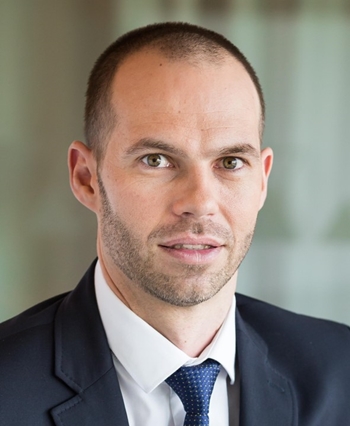
- Christian Rodseth was appointed as the new Managing Director for J&J Janssen Korea, a subsidiary of Johnson and Johnson (J&J)'s pharmaceutical division in South Korea, announced on September 4th that Christian Rodseth was appointed as the new Managing Director for J&J's pharmaceutical division in North Asia as of September 2nd. As the CEO of Janssen Korea and Managing Director for J&J's pharmaceutical division in North Asia, Rodseth will lead the North Asia cluster, including South Korea, Taiwan, and Hong Kong. Rodseth joined J&J as a sales representative in South Africa in 2006 and has held sales, marketing, and strategic planning positions in various countries, including Africa, Europe, and the United States. Until recently, Rodseth served as the Managing Director for five European countries, including Greece, Poland, and Romania, and led significant business growth. He has also contributed to improving patient accessibility to innovative treatments by holding positions in pharmaceutical associations in various countries. Rodseth said, "I am pleased to lead the team with expertise in leading healthcare innovation in South Korea, Taiwan, and Hong Kong markets," and added, "I hope to solve complicated diseases by keeping close communication with physicians, the government, and patients and to improve patient accessibility to innovative medicines. Ultimately, I hope these efforts could save patient lives and change lifestyles." Rodseth graduated from University of the Witwatersrand in South Africa and Warwick Business School in the U.K.
- Company
- New drug Voranigo receives orphan drug designation in Korea
- by Eo, Yun-Ho Sep 04, 2024 05:49am
- Voranigo, the first new malignant brain tumor drug introduced in 20 years, has received an orphan drug designation in Korea. The Ministry of Food and Drug Safety announced so through an official orphan drug designation notice on the 3rd. Specifically, the drug is for the treatment of IDH-mutated diffuse glioma. Voranigo can be used to treat patients with low-grade glioma who are susceptible to isocitrate dehydrogenase-1 (IDH1) and isocitrate dehydrogenase-2 (IDH2) mutation. Voranigo (vorasidenib) is an IDH1/2 dual inhibitor class drug developed by the multinational pharmaceutical giant Servier that targets a difficult-to-treat brain tumor, gliomas (including oligodendrogliomas and astrocytomas). The drug received final approval from the U.S. Food and Drug Administration (FDA) on March 6 and is in the process of being approved in Europe and other countries around the world. The efficacy of Voranigo was demonstrated through the Phase III INDIGO trial. The results of the study were presented at the American Society of Clinical Oncology (ASCO) Annual Meeting last year. Results showed that the drug significantly reduced the risk of tumor progression or death by 61% compared with placebo in patients with residual or recurrent grade 2 IDH-mutant glioma, and reduced the risk for further treatment by 74%. These patients had not previously undergone any treatment other than surgery. The trial also showed that Voranigo was well tolerated, and its safety profile was consistent with the results observed in the Phase 1 trial. Glioma is the most common primary malignant brain tumor in adults, and nearly all (grade 2 diffuse glioma) adult patients have IDH1 or IDH2 mutations. The treatments for these patients are all off-label (drugs licensed for other uses) and not formally approved. In addition to Voranigo monotherapy, Servier is currently conducting a clinical trial on Voranigo in combination with MSD's immuno-oncology drug Keytruda (pembrolizumab) in patients with relapsed or advanced IDH1-mutant glioma. The company already owns a pipeline of IDH inhibitors, including Tibsovo (an IDH1 inhibitor) and Idhifa (an IDH2 inhibitor).
- Company
- Yuhan's investment in US subsidiary total KRW 27B over 5 yrs
- by Chon, Seung-Hyun Sep 04, 2024 05:48am
- Yuhan Corporation has invested KRW 3.9 billion additionally to the U.S.-based subsidiary of the company. The company invested KRW 27 billion over the past five years, expanding support for global entry. According to Financial Supervisory Service on September 4th, Yuhan Corporation invested KRW 3.9 billion in the first half of the year and acquired an additional 3 million shares. Yuhan Corporation Headquarter Office buildingEstablished in 2018, Yuhan USA is a U.S.-based regional subsidiary of Yuhan Corporation and and is responsible for investing in potential biotech ventures, conducting global clinical trials, and delivering technology transfers. It is Yuhan Corporation's wholly-owned subsidiary and will serve as a bridgehead for global entry. Yuhan USA operates by having an East Coast office in Boston and a West Coast office in San Diego, United States. Boston is the hub for the world's biotech industry, and San Diego is emerging as a major biotech cluster. It has been two years since Yuhan Corporation invested in Yuhan USA in 2022. In the second quarter of 2022, Yuhan Corporation invested KRW 7.7 billion in Yuhan USA and acquired 6 million shares. Yuhan Corporation invested KRW 1.9 billion when it set up Yuhan USA in 2018. It invested an additional KRW 3.5 billion and KRW 3.6 billion in 2019 and 2020, respectively. In 2021, the company invested KRW 6.4 billion. Including this investment round, Yuhan Corporation has invested a total of KRW 27 billion over the past five years. Yuhan USA's strategy focuses on visiting companies, research centers, and universities in the United States to make direct investments in potential technology and new drug candidates. Its indirect investment strategy involves investing in biotech ventures in the United States or opening its fund to invite U.S.-based biotech ventures and investors. Most of the Yuhan Corporation's investment in Yuhan USA is invested in an investment fund run by 5AM Ventures, a Boston-based biotech venture capital firm. The strategy is continuously investing in overseas biotech funds and seeking new R&D opportunities. Furthermore, Yuhan USA participates in international conferences in the United States and presents clinical data of new drugs developed by Yuhan Corporation to increase chances for out-licensing. In 2020, Yuhan USA successfully out-licensed Yuhan Corporation's gastrointestinal medication. Yuhan Corporation signed an out-licensing agreement with Processa Pharmaceuticals in August 2020 for its ' YH12852,' a candidate for the treatment of functional intestinal disorder. The agreement included exclusive development, manufacturing, and commercialization rights for 'YH12852' worldwide, excluding South Korea. The total agreement amount is up to US$410.5 million (about KRW 500 billion). Yuhan Corporation has secured US$2 million worth of Processa Pharmaceuticals shares for a non-refundable upfront payment. Processa Pharmaceuticals is an R&D company established in Maryland, U.S., in 2016. Yuhan USA identified a potential out-licensing partner in the United States and successfully reached the final agreement with Processa Pharmaceuticals.
- Company
- Generic companies lastly challenge Lixiana patent
- by Kim, Jin-Gu Sep 04, 2024 05:48am
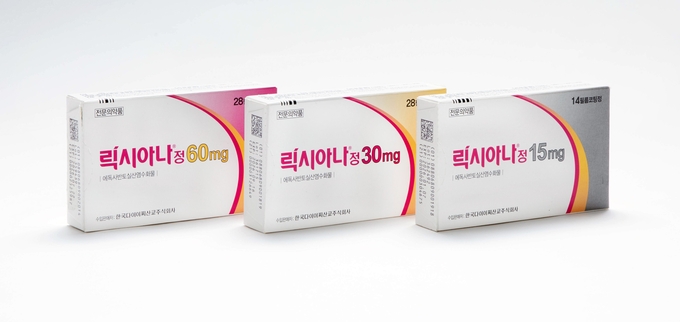
- Pic of Lixiana Generic companies have been filing late patent challenges against Lixiana (edoxaban), the market leader in the direct-acting oral anticoagulants (DOACs) market. This is due to the imminent expiry of the product's formulation patent, which is 2 years away. The strategy of the patent challengers is to avoid the formulation patent and launch generics early upon the expiry of the product patent in November 2026. According to industry sources on the 3rd, Dongkwang Pharmaceutical recently filed a trial to confirm the passive scope of Lixiana's formulation patent against Daiichi Sankyo. Prior to Dongkwang Pharmaceutical, Theragen Etex also filed a challenge to avoid the same patent last month. The interesting fact is that a series of such challenges had ended in the 2020-2021 season. The challenge to the Lixiana formulation patent began in July 2018 when Boryung Pharmaceutical first filed a trial to avoid Lixiana’s patent. Hanmi Pharmaceutical, Chong Kun Dang, Samjin Pharm, Kolmar Korea, Kolmar Pharma, HK. Inno.N, Hutecs Korea followed to receive trial decisions for the same patent. The companies won the first trial after May 2020. In 2021, Dong-A ST and Shinnil Pharmaceutical filed for the same judgment and won the first trial. The original manufacturer of Lixiana, dropped its appeal, and the first-instance victory was finalized as a ruling. This ended the patent challenge, with 10 generic companies avoiding Lixiana's formulation patent once and for all. Now, more than 3 years later, the challenge has resumed with Theragen Etex, Dongkwang Pharmaceutical filing the trials. The analysis is that the companies made the move as the expiry of Lixiana's product patent is now just 2 years away. There are 2 Lixiana patents listed on the MFDS’s green list: a product patent that expires in November 2026 and a formulation patent that expires in August 2028. Generic companies plan to avoid the formulation patent and launch generics of Lixiana early to coincide with the expiration of the product patent. If the companies that won the first trial won the invalidation trial, the patent itself would have been invalidated, rendering no need for latecomers to file separate challenges. However, since the previous companies won the passive scope confirmation trial rather than the invalidation trial, the latecomers must also file individual challenges. Of course, as other generic companies have already won, the chances of success for the latecomers are high. Quarterly DOAC prescriptions (Lixiana, Eliquis, Xarelto, Pradaxa) Industry insiders raised the possibility of additional patent challenges rising in the future due to Lixiana’s long-term lead in the DOAC market with prescription sales of more than KRW 100 billion per year. According to pharmaceutical market research institution UBIST, Lixiana’s prescription sales were KRW 105.3 billion last year. That is up 9% from the KRW 96.7 billion in 2022. In the first half of this year alone, the drug generated KRW 55.7 billion in prescription sales. Lixiana first became the market leader in 2019 and has maintained its lead ever since. The company attributed the rise in prescription sales to the copromotion synergy with Daewoong Pharmaceutical. Moreover, the gap with the second-ranked drug has been widening upon the expiration of the substance patents of its rivals Xarelto (rivaroxaban) and Eliquis (apixaban).
- Company
- Pharma companies jump into developing 'TPD' for cancer
- by Son, Hyung-Min Sep 03, 2024 05:53am
- The global and Korean pharmaceutical industries are focusing on securing Targeted Protein Degradation (TPD) technology, which has emerged following the success of Antibody-Drug Conjugates (ADCs). Recently, major global pharmaceutical companies such as Pfizer, Novartis, and Eli Lilly have successfully acquired TPD technologies, marking TPD as a new anti-cancer drug development strategy, following targeted therapies, immune checkpoint inhibitors, and ADCs. Korean pharmaceutical and biotech industries are also exploring the potential of TPD drug development and have achieved successful technology transfers. According to industry sources on September 3rd, several Korean biopharmaceutical companies, including Yuhan Pharmaceutical, SK Biopharmaceuticals, Daewoong Pharmaceutical, Samjin Pharmaceutical, and Orum Therapeutics, have jumped into developing novel TPD drugs. TPD drugs are the next-generation new drug candidate that can use an intracellular protein degradation system to degrade protein of interest specifically. Unlike conventional small-molecule targeted drugs that inhibit protein function, novel TPD drugs offer superior therapeutic effects and avoid tolerance by directly degrading and eliminating disease-causing proteins. TPD drugs can target over 80% of disease-causing proteins that conventional small-molecule drugs could not modulate. The mechanism of the TPD technology, previously referred to as PROTAC (source=KRICT). SK Biopharmaceuticals has identified TPD as a promising future field and is advancing its development as a follow-up to its epilepsy treatment, Xcopri. Last year, the company invested KRW 62 billion to acquire Proteovant, securing TPD technology. Founded in March 2020 in the U.S., Proteovant is a biotech venture with global-level technology in the TPD field and molecular glue technology. Yuhan Pharmaceutical is also eyeing the opportunity to develop TPD drugs as a follow-up to its non-small cell lung cancer treatment (NSCLC), Leclaza. The company acquired the prostate cancer drug candidate 'UBX-103' in July from Ubix Therapeutics. As a result, Yuhan Pharmaceutical has secured the lead for clinical trials and exclusive rights for the development and commercialization of UBX-103. The recently acquired 'UBX-103' by Yuhan Pharmaceutical is a novel prostate cancer drug candidate based on TPD technology. UBX-103 works by degrading the androgen receptor, overexpressed or hyperactivated in prostate cancer patients. In the non-clinical studies, UBX-103 showed ten times superior androgen receptor degradation and suppression of prostate cancer cell proliferation in wild type and mutant compared to 'ARV-110' of Arvinas, a U.S.-based company. In a castration-resistant prostate cancer mouse model, the drug showed three times more anti-cancer efficacy than ARV-110. Orum Therapeutics is proving its R&D capacity by successfully out-licensing TPD platform to global pharmaceutical companies. In July last year, the company signed an out-licensing agreement with the U.S.-based biotechnology company Vertex Pharmaceuticals for its TPD. Vertex Pharmaceuticals is a company that developed a CRISPR/Cas9 gene-edited therapy, exa-cel. Utilizing Orum Therapeutics' Dual-Precision TPD (TPD2), Vertex Pharmaceuticals plans to discover 'conditioning agents,' which are used to wash bone marrow before injecting patients with gene editing products. TPD, provided by Orum Therapeutics, is a technology that specifically degrades target proteins. Daewoong Pharmaceutical and Samjin Pharmaceutical have signed a strategic business agreement with the Korean TPD discovery company Pin Therapeutics to develop novel drugs. Pin Therapeutics is a novel drug discovery company established in 2017 that conducts global R&D by collaborating with 'PinUS,' a wholly-owned subsidiary in the United States. Global pharmaceutical companies proactively conduct novel TPD drugs Global pharmaceutical companies are also proactively developing novel TPD drugs. AstraZeneca has signed an out-licensing deal with the U.S.-based PineTree Therapeutics for exclusive sales and global rights. PineTree Therapeutics is a company established in 2019 in Boston, U.S., specializing in the development of novel drugs. PineTree Therapeutics' EGFR degrader candidate was developed using its proprietary multi-antibody platform, 'AbRaptor.' Based on the research, this candidate demonstrated anti-tumor activity when used in tumors resistant to drugs such as tyrosine kinase inhibitor (TKI). AstraZeneca has the EGFR drugs Tagrisso and Iressa for the treatment of non-small cell lung cancer (NSCLC). Utilizing the TPD technology, the company plans to develop follow-up drugs for Tagrisso and Iressa. Global pharmaceutical companies like Pfizer and Novartis have invested over KRW 1 trillion in Arvinas' TPD pipeline development. The U.S.-based company Arvinas is a leader in the TPD field. Arvinas' platform PROTAC was previously referred to as TPD technology. The company is the only company in the world to own a proprietary novel TPD candidate that has entered the Phase 2 trial. In 2021, Arvinas signed an out-licensing deal with Pfizer for its novel TPD drug, 'ARV-471,' for breast cancer treatment. It also transferred androgen receptor degrader 'ARV-766' to Novartis. With the agreement, Novartis will be responsible for the global clinical trial development and commercialization of ARV-766. Last year, Arvinas announced ARV-766's interim data from dose escalation research. Based on the clinical results, the drug demonstrated a 50% reduction of prostate-specific antibody (PSA) in 41% of patients with mutations in the ligand-binding domain in the androgen receptor. Novartis will aim to commercialize ARV-766 as a prostate cancer treatment and enter the later stage of clinical trials. Additionally, various global companies like Novo Nordisk, Astellas, and Eli Lilly have jumped into this field by investing in companies developing novel TPD drugs.
- Company
- Biological drug options for psoriasis treatment increase
- by Son, Hyung-Min Sep 02, 2024 05:48am
- Domestic and foreign pharmaceutical companies are expanding psoriasis treatment options through the development of biological agents. Recently, Korea's UCB Pharma succeeded in obtaining domestic marketing authorization for a biological drug with a new mechanism of action, sparking competition in the field. Other domestic pharmaceutical and biotech companies such as HK Inn.N and AprilBio have also entered the market by developing new biologics. Celltrion, Samsung Bioepis, and others are planning to expand their influence in the psoriasis treatment market by manufacturing biosimilars of biological drugs. #According to industry sources, the Ministry of Food and Drug Safety approved Korea's UCB Pharma’s interleukin-17 dual inhibitor Bimzelex on the 29th. Bimzelex is the first biologic to simultaneously target interleukin (IL)-17A and F. While biologics targeting IL-17A, such as Lilly's Taltz and Novartis' Cosentyx, have been available in the market, Bimzelex is the first drug to target IL-17F as well. IL-17 is an inflammatory cytokine that causes psoriasis. By targeting both IL-17A and IL-17F simultaneously, it is believed to be able to inhibit the inflammatory cytokines in higher doses and with greater potency. Psoriasis is a chronic, systemic skin disease caused by an abnormality in the immune system, and is characterized by erythema, a reddening of the skin, and psoriasis, which is white, scaly patches of the skin. Bimzelex’s approval is based on the Phase III BE READY study. The study compared the efficacy and safety of Bimzelex versus placebo in patients with plaque psoriasis. Results showed that the primary endpoint, a Psoriasis Area and Severity Index (PASI) score of 90 or greater at Week 16, was 90.8% in the Bimzelex arm. The proportion of patients achieving a PASI score of 100 was 68.2%, and the proportion of patients achieving an overall clinical response (IGA) score of 0 or 1 was 92.6% in the Bimzelex arm, significantly higher than the 1.2% in the placebo arm. Bimzelex also achieved significant PASI score improvements compared to other biologics. Bimzelex achieved significantly higher PASI 100 rates compared to Janssen's Stelara, AbbVie's Humira, and Cosentyx. Bimzelex’s PASI 100 achievement rate was also shown to have been maintained at a high level for 3 years in the BE BRIGHT open-label extension study. Bimzelex is the only IL-17 biologic introduced in Korea that can be dosed once every 8 weeks as maintenance therapy. It can also be self-injected by patients with education. Development of biologics active...competition heats up for psoriasis The domestic pharma and biotech industry is also developing biologics for psoriasis. Currently, biologics with psoriasis treatment indications include Abbvie’s Humira-Skyrizi, Cosentyx, and Taltz. Domestic biotech companies have also signaled their entry into the market by developing the drugs’ biosimilar versions. Celltrion recently received approval from the U.S. Food and Drug Administration (FDA) for a global Phase III trial of Cosentyx’s biosimilar, ‘CT-P55.’ Cosentyx is a biological drug developed by Novartis that inhibits IL-17A and is effective in a variety of inflammatory diseases, including psoriasis and ankylosing spondylitis. The study will enroll a total of 375 patients with plaque psoriasis. A comparative study will be conducted to demonstrate equivalence in efficacy and safety between the original drug and CT-P55. CT-P55 received Phase I IND approval from Japan's Pharmaceuticals and Medical Devices Agency (PMDA) in December of last year. In addition to Cosentyx, Celltrion has developed a number of other biologics, including biosimilars of Humira and Stelara. The company plans to expand its footprint in inflammatory diseases such as psoriasis with the Cosentyx biosimilar. Samsung Bioepis is challenging this market with the commercialization of its Stelara biosimilars. In April, Samsung Bioepis received approval from the European Medicines Agency (EMA) for Pyzchiva, a biosimilar of Janssen's autoimmune disease treatment Stelara. Pyzchiva is a biologic that treats plaque psoriasis, psoriatic arthritis, Crohn's disease, and ulcerative colitis, with annual global sales near KRW 14 trillion. HK Inno.N and AprilBio will develop biologics targeting novel mechanisms of action. HK Inno.N, YBiologics, and IMBiologics recently licensed-out IMB-101, a new drug candidate for autoimmune diseases, to US pharmaceutical company Navigator Medicines. MB-101 is a dual antibody drug candidate that simultaneously controls innate and adaptive immune responses by dual-targeting OX40L and tumor necrosis factor (TNF). The OX40L pathway is involved in the activation of T-cells, and immune cells, and TNF is a cell signaling protein involved in inflammatory responses. IMBiologics received IND approval from the U.S. Food and Drug Administration (FDA) in August last year and is currently conducting Phase I clinical trials. AprilBio has also successfully licensed out its technology for its autoimmune disease drug candidate 'APB-R3' to U.S. new drug developer Evommune. APB-R3 is a biological drug candidate that targets interleukin (IL)-18. IL-18-targeting candidates are known to be effective in various diseases including psoriasis, inflammatory bowel disease, atopic dermatitis associated with metabolic syndrome-related steatohepatitis, and sepsis. AprilBio has confirmed the tolerability and safety of APB-R3 in a Phase I clinical trial. Evommune plans to initiate a Phase II clinical trial for APB-R3 in the first half of next year.

- Company
- Yuhan’s Leclaza targets US mkt based on its clinical effect
- by Hwang, Byung-woo Sep 02, 2024 05:48am
- The non-small cell lung cancer drug Leclaza (lasertinib) in combination with Ryvrevant(amivantamab) has gained competitivity in the U.S., based on data presented at the World Congress on Lung Cancer (WCLC 2024). Additional data on Leclaza monotherapy and Leclaza in combination with Ryvrevantare is expected to be presented to further increase the drug’s clinical value. WCLC 2024 will be held from September 7 in San Diego, U.S. According to industry sources on the 31st, results from a study comparing the efficacy and safety of Leclaza+Ryvrevant and Leclaza monotherapy to Tagrisso monotherapy will be presented at WCLC 2024, which will be held from September 7 in San Diego, U.S. The data to be presented at WCLC 2024 are from the interim follow-up results of the study, which evaluated the clinical efficacy of Leclaza monotherapy (216 patients) versus Tagrisso monotherapy (429 patients) and Leclaza+Ryvrevant combination therapy (429 patients). In the results that were first disclosed through its abstract, the study showed that Leclaza monotherapy achieved a median progression-free survival (PFS) of 18.5 months by a blinded independent centralized review (BICR) over a median follow-up of 22 months. Also, the Leclaza monotherapy arm was associated with a 2% reduction in the risk of disease recurrence, progression, or death compared with the 16.6 months confirmed in the Tagrisso arm. In addition, an analysis of a high-risk subgroup showed that Leclaza improved PFS even further compared with Tagrisso. In patients with a history of brain metastases, the median PFS was 16.4 months with Leclaza versus 13.0 months with Tagrisso. The median PFS of patients with circulating tumor DNA (ctDNA) was also superior with Leclaza (18.4 months) versus Tagrisso (14.8 months). While more detailed results will be presented at WCLC 2024, experts believe that these results will support the drug settle in the U.S. market. “I think the argument for Janssen will be in providing a stronger rationale for why they chose Leclaza for combination therapy,” said Professor A, a hematologist-oncologist at a Big 5 hospital who asked for anonymity. ”The abstract shows that the efficacy was as expected and that Leclaza was better in terms of side effects, which is one reason why the company chose to use Leclaza as its partner.” Pic of Leclaza With the rising need to prescribe new treatments, the research presented at WCLC 2024 is expected to support the use of Leclaza. The congress will also feature a follow-up of the MARIPOSA trial presented at the European Society of Clinical Medical Oncology Annual Congress (ESMO 2023) last year. According to the abstract, at a median follow-up of 31.1 months, 44% (185/421) of patients in the Leclaza+Ryvrevant arm and 34% (145/428) in the Tagrisso arm were still on treatment. Overall survival (OS) data at a median follow-up of 31.1 months were also presented. At 24 months, 75% and 70% of patients were alive in the Leclaza+Ryvrevantand Tagrisso arms, respectively, and at 36 months, the corresponding figures were 61% and 53%, respectively. the interim analysis of the OS results showed a positive trend in favor of the Leclaza+Ryvrevantarm over the Tagrisso monotherapy arm as in last year but showed no statistical significance. On this, the researchers commented, “OS continues to show a trend toward improvement in the Leclaza+Ryvrevant arm compared to Tagrisso, reaffirming how the Leclaza+Ryvrevant combination is the standard first-line therapy for advanced EGFRm NSCLC.”
- Company
- Tevimbra may be prescribed in general hospitals in KOR
- by Eo, Yun-Ho Sep 02, 2024 05:48am
- The immuno-oncology drug 'Tevimbra' may now be prescribed in general hospitals in Korea. According to industry sources, BeiGene Korea's PD-1 inhibitor Tevimbra (tiselizumab) has passed the drug committees (DCs) of tertiary hospitals, including Samsung Medical Center and Seoul National University Hospital. In addition, the company succeeded in reapplying for Tevimbra’s reimbursement to the Health Insurance Review and Assessment Service’s Cancer Disease Deliberation Committee, raising the possibility of its insurance reimbursement. Tevimbra had previously received the ‘reimbursement standards not set' decision by the CDDC in March. The company had resubmitted its reimbursement application in May. Tevimbra (tiselizumab), which was approved in Korea last November, is an immuno-oncology drug indicated as a monotherapy for patients with unresectable, relapsed, locally advanced, or metastatic oesophageal squamous cell carcinoma who are unable to continue platinum-based chemotherapy or who have relapsed or progressed after receiving prior platinum-based chemotherapy. In the global Phase III RATIONALE-302 trial, Tevimbra prolonged median overall survival (OS) by 2.3 months compared to chemotherapy (8.6 months vs. 6.3 months), with a statistically significant 30% reduction in the risk of death, and did not show any crossover, unlike existing immuno-oncology monotherapies in the OS graph. In the trial, Tevimbra’s OS improvement was consistent across predefined subgroups, including baseline PD-L1 status, region, and race. Compared to chemotherapy, Tevimbra resulted in more than twice as many patients responding to treatment (20% vs. 10%), and showed an improvement in the median duration of response of approximately 3 months, from 4.0 months to 7.1 months, with sustained responses and a reduction in tumor size, which is directly related to quality of life for esophageal cancer patients. Furthermore, Tevimbra was associated with a 17% lower risk of disease progression or death in progression-free survival (PFS) (HR=0.83, 95% CI 0.67-1.01) and improved health-related quality of life (HRQoL) compared to chemotherapy. In April, the U.S. National Comprehensive Cancer Network (NCCN) revised its guidelines to recommend Tevimbra as a Category 1, preferred option for second-line treatment of esophageal squamous cell carcinoma.
- Company
- API competition↑ with entry of Chinese and Indian pharmas
- by Son, Hyung-Min Aug 30, 2024 05:50am
- Chinese and Indian companies developing active pharmaceutical ingredients (APIs) are accelerating their entry into Korea. Numerous Chinese and Indian companies as well as domestic companies participated in 'CPHI Korea 2024,' an exhibition for the global pharmaceutical, bio, and health functional food industry that was held at COEX in Samseong-dong, Seoul for 3 days from the 27th, to promote their API development capabilities. Domestic companies also participated in the event to showcase their technology. Domestic API companies highlighted the quality of their products as a strategy to differentiate themselves from overseas companies. A large number of Chinese and Indian API companies participate in CPHI China was the largest participating country at CPHI Korea 2024. More than 140 Chinese pharma and biotech companies participated in the event, which accounted for almost half of the 340 exhibitors. (Clockwise from the top left) Jiangxi Synergy, Bloomage Biotechnology, Zhejiang Biosan, Hubei Honch Pharmaceutical, Xieli Pharmaceutical from China As China supplies nearly half of the world's APIs, these companies are highly influential in the API market. Korea also imports the largest amount of APIs from China. These companies plan to actively target the domestic market to further increase their influence in Korea. China has been turning its eye to markets outside the U.S. after the U.S. strengthened sanctions against China. The U.S. has been implementing biosecurity legislation that would ban Chinese biotech companies from doing business with the U.S., favoring its own biotech companies. In response, Chinese companies have been eyeing the Korean market, which was why many Chinese companies participated in BIO KOREA 2024 in May to promote their company and technologies. The second largest overseas participant after China was India. India owns the second-largest API market following China. India accounts for 20% of the world's supply of APIs. India's pharmaceutical industry has been growing rapidly, focusing on biopharmaceuticals and contract development manufacturing organizations (From the left) Krishna Enzytech, Ashwagandha, Anupam Rasayan, Oceanic Pharmachem from India Various API, health functional food, and additive developers such as Krishna Enzytech, KSM-66 Ashwagandha, Anupam Rasayan, and Oceanic Pharmachem attended the event. In particular, the health functional food company Ashwagandha, participated as a title sponsor of the event. Korean API companies, including Novarex and Samoh Pharm participated at the event..."secured competitivity with quality" Many domestic companies also participated in CPHI Korea 2024. The second largest amount of companies that participated in the event were Korean companies, following China. Kukjeon Pharmaceutical, Samoh Pharm, Inist ST, Seoheung, and Novarex, among others, promoted their technologies for developing various APIs. (Clockwise from top left) Inist ST, Rihu Healthcare, Samoh Pharm, Suheung from Korea Domestic companies expressed high hopes based on the quality of their products. Currently, China and India dominate the global API market. Korea also imports most of its APIs from these countries. The problem is that domestic synthetic drugs are significantly less competitive in price than their Chinese and Indian counterparts, and the high dependence on overseas APIs limits the opportunities for domestic companies. “It is virtually impossible to keep up with China and India in terms of price competitiveness,” said an official from a domestic API company. “Domestic companies need to differentiate themselves in quality through superior manufacturing facilities and quality development capabilities to stand a chance.” However, the government's support is urgently needed to overcome the price competitiveness of overseas companies, and the industry's opinion is that no significant policies have been implemented up to now. The government's policy direction seeks to advance the self-sufficiency rate of APIs for pharmaceuticals, but the policies have not shown a significant impact until now. In particular, there has been a history of disruptions in the production of essential medicines due to difficulties in the supply of raw materials, including the deployment of THAAD, the valsartan crisis, COVID-19, and trade wars, but even after the pandemic turned endemic, the self-sufficiency rate of APIs has not improved. According to the Ministry of Food and Drug Safety, 31 of the 567 finished drugs reported to have been suspended from production, import, and supply from 2017 to June 2022 due to problems in the supply of APIs. 17 of these were national essential medicines. “To compete not only with the U.S. and Europe, but also with China, India, and Southeast Asia, that own prices competitivity, we need support policies at the finished drug level,” said an official from another domestic API company. ”The government has not clearly presented measures to support for self-sufficiency of APIs in Korea. The goal should not be to maintain a certain level of self-sufficiency, but to support the domestic pharmaceutical industry to compete with the global market.”
