
- LOGIN
- MemberShip
- 2026-07-23 03:42:34
- Company
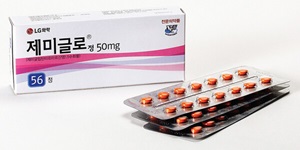
- LG Chem appeals... starts 2nd patent trial for Zemiglo
- by Kim, Jin-Gu Sep 12, 2024 05:50am
- The patent dispute over the use of DPP-4 inhibitor class diabetes drug Zemiglo (gemigliptin) is heading on to its second round. Generic companies have succeeded in winning both the evasion and invalidation trials regarding Zemiglo's use patent, after which LG Chem has appealed to the Intellectual Property High Court of Korea. According to industry sources on the 11th, LG Chem filed a lawsuit to cancel the ruling made at the first invalidation trial for Zemiglo’s patent to the Intellectual Property High Court of Korea. The patent for Zemiglo is set to expire in October 2039. It covers the combination of insulin and gemigliptin. In addition to the use patent, Zemiglo has a product patent that expires in January 2030 and a salt and crystalline form patent that expires in October 2031. In the case of Zemimet (gemigliptin+metformin), it owns two composition patents that expire in October 2033 and May 2039, respectively. Generic companies have filed a trial to confirm the passive scope of rights (evasion) and invalidation of Zemiglo’s use patent, respectively. Starting with Shing Poong Pharm, Boryung, Jeil Pharmaceutical, Korea Prime Pharmaceutical, Daewha Pharmaceutical, DongKoo Bio&Pharma, Samchundang Pharm, and Celltrion Pharm filed for the evasion trials. The Intellectual Property Trial and Appeal Board has ruled in favor of the generic companies since March this year. In July, the court issued a partial ruling on the patent invalidity challenge. Celltrion Pharm was the first of the 6 companies to win the invalidation trial. Boryung, Jeil Pharmaceutical, DongKoo Bio&Pharma, Genuone Science, and Daewha Pharmaceuticals, which filed challenges around the same time, are yet to receive a ruling. LG Chem, which lost the first trial, chose to appeal both the evasion and invalidation trials. Industry insiders believe that LG Chem chose to take an aggressive defense strategy against patent challenges from generic companies. As additional challenges from generic companies are expected not only for the use patent but also for the remaining salt-crystalline and composition patents, the company seems to be attempting to get a start on the situation early on. The Intellectual Property High Court’s decision on Zemiglo’s use patent dispute is expected to serve as a turning point for early generic launches in the future. If the generic companies win both the first and second trials, the timeline for generic Zemiglo will be significantly accelerated. While there is still a possibility that LG Chem will appeal to the Supreme Court, the back-to-back victories in the first and second trials are expected to give the patent challengers a major boost to launch generics early. According to the market research institution UBIST, prescriptions for Zemiglo and Zemimet were worth KRW 70.1 billion in the first half of last year. The two posted the highest sales amongst DPP-4 inhibitor class diabetes drugs. Zemiglo-Zemimet rose to the ranks and became the top-selling diabetes drug in Q3 last year.
- Company
- Which company will distribute Bayer's 'Canesten·Bepanthen'?
- by Nho, Byung Chul Sep 12, 2024 05:50am
- Bayer is searching for a new distributor to distribute its OTC medicines, including Canesten and Bepanthen. As the co-promotion agreement between Bayer and Il Dong Pharmaceutical for over the counter (OTC) medicines is set to expire, it gathers attention whether the company will renew the contract. According to industry sources, Bayer is searching for a new distributor to distribute its OTC medicines, Canesten and Bepanthen. Il Dong Pharmaceutical has been responsible for the distribution of Bayer's OTC medicines. In 2013, Bayer signed a co-promotion agreement for five OTC medicines, including ▲Canesten Cream (antifungal cream)·Vaginal tab (vaginal infections)·Dusting Powder (antifungal treatment for children) ▲Elevit Pronatal Tab (multivitamin for women who are pregnant) ▲Bepanthen Cream (diaper rash) ▲Saridon-A Tab (pain and fever) ▲Talcid Complex Tab (heartburn). Bayer is considering multiple options, such as renewing the agreement with Il Dong Pharmaceutical or changing a distributor. The company is likely considering pharmaceutical companies with an active pharmacy sales network, such as Yuhan Corp·Daewoong Pharmaceutical·Chong Kun Dang·Dongkook Pharmaceutical·Dongwha Pharm. Il Dong Pharmaceutical was appointed as the distributor in 2013 because the previous CEO of Bayer Korea, Neil Hesman, had signed a co-promotion agreement based on the brand power of Il Dong Pharmaceutical's Aronamin·Mediform and unique sales strategy. Based on a pharmaceutical distribution performance report, Canesten (plus) products generated KRW 7.1 billion and KRW 6.9 billion in sales in 2011 and 2012, respectively. Canesten sales for 2020·2021·2022·2023·first half of 2024 were KRW 4.2 billion·KRW 3.5 billion·KRW 4 billion·KRW 3.7 billion·KRW 1.6 billion. Bepanthen sales for 2020·2021·2022·2023·first half of 2024 were KRW 6.3 billion·KRW 6.3 billion·KRW 7.4 billion·KRW 8.9 billion·KRW 5 billion. Canesten line-up includes Canesten 1 Vaginal Tab·Canesten Cream·Canesten Powder. Canesten 1 Vaginal Tab (clotrimazole 500 mg) is a one-shot treatment for vaginal infections caused by Candida. Canesten Cream is effective in relieving external thrush symptoms caused by Candida, including irritation·burning·rash·pain. The active ingredient clotrimazole is a broad-spectrum antifungal medication that is effective for the treatment of Candidiasis, such as athlete's foot·ringworm·jock itch. Canesten Dusting Powder contains clotrimazole and 99% plant-derived ingredients, and it is similar in efficacy to the cream formulation. Bepanthen Cream, containing dexpanthenol, is effective for the treatment of mild burns·bed sores·eczema·diaper rash·sunburns. Its competitor drugs include Yuhan's Celestone-G Cream (betamethasone valerate·gentamicin sulfate) and Hanpoong Pharm's Jaungo.

- Company
- GSK seeks mutual growth with its employees…top satisfaction
- by Hwang, Byung-woo Sep 11, 2024 04:39pm
- Rosa Kim, Country HR Head, GSK Korea ‘Vaccine powerhouse’ is the first image that comes to mind upon the mention of GSK these days. The company has been constantly exerting its influence with its range of vaccines for various vaccine-preventable diseases. In the specialty medicine space, the company has expanded its pipeline to include respiratory asthma and COPD, as well as Lupus, HIV/AIDS (Specialty Care), and, most recently, cancer. This growth was driven by ‘Purpose,’ which integrates the company’s vision and mission. GSK seeks to become a global pharmaceutical company with a passion and purpose to unite science, technology, and talent to get ahead of disease together. The reason why the company’s purpose includes talent is clear: even with great science and technology, GSK cannot achieve its purpose if no one delivers it to the patients. This perspective sets GSK apart from other companies in terms of talent acquisition. The company fosters a culture where the company is not only responsible for each individual’s growth through motivation and development but also for their care. GSK values its talent and emphasizes mutual growth from the beginning to the end of each employee’s career. We spoke to Rosa Kim, Country Head of Human Resources at GSK Korea, to hear bout the company's organizational culture and working environment. I noticed GSK’s corporate goal includes the unification of ‘talent.’ What kind of talent does GSK seek? = GSK has four leadership focuses. Current leaders, leadership candidates, and employees who wish to grow into leaders thrive based on the four focuses, so the focuses are at the core of the company’s talent profile. The first is ‘Motivate’. A good leader should be able to articulate the WHY message. It's important to be able to give a clear WHY, why I work at GSK, and why I should do this job. The second is ‘Focus’ to drive the business, which is having a part in the success and growth of the business. The third is ‘Develop,’ which requires a lot of contemplation and regard for personal growth and the growth of the colleagues and people you work with. The final one is ‘Care,’ which I think is GSK's most unique culture. We seek talent with genuine leadership and ‘care,’ who is empathetic and caring towards the people they work with, whether it's a warm caring message from a leader to an employee who had a very difficult day to motivate the employee to forget the day’s hardships and gain the courage to get throughout the day. How do you recruit talent that can deliver this vision? = GSK has several programs in place to identify talents early on, develop them within the company, and nurture them into leaders. For example, we have the Future Leaders Program (FLP) for students seeking their first job out of university or are at the beginning of their career. The primary goal of the program is to foster talents into Commercial Business Unit Head in 10 years. The are cases where the program led talents to the BU Head training track, leading employees to become a BU Head and then a General Manager (GM) at headquarters. English language skills seem to be important. Do employees also take on international roles? = In the case of the Future Leaders program, all interviews are conducted in English. It is a program that trains junior future leaders to continue their careers not only in Korea but also overseas. Once you join the program, you will go through two to three rotations over three years, and then, depending on your capabilities and the outcome of the evaluation, you will be connected to your next position. I know of only GSK that has a track that directs employees in the early stage to BU Head to Leader to General Manager. What about hiring for experienced positions? = In the case of general recruitment, we tend to hire more experienced professionals. GSK Korea has a low turnover rate compared to other companies, so it is less likely to be hired due to vacancies and more likely to be hired for new launches or product growth, or to replace internal personnel due to personnel transfers. In recent years, we have hired entire members of the anti-cancer business unit when we started our anti-cancer business. In addition, we have been hiring experts in the market for our ever-expanding pipeline, such as the shingles vaccine (Shingrix) and new vaccines to accommodate our vaccine business which continues to grow. The company must also be making efforts to cultivate talent within the organization = We've been working on a platform since last year to help people draw out what their career roadmap should look like based on where they want to end up in their careers over time. In sales, we have a program for seasoned medical representatives to transition to their next career, as well as the Emerging Sales Leader Academy (ESLA), which is designed to foster sales team leaders. In addition, we hold a quarterly People Leader Forum (PLF), which is a platform for managers, BU heads, directors, etc. to share experiences and learn what they need to learn more about as leaders within GSK and how they can implement them in practice. Can employees freely change positions? = We have a very active internal recruitment system to support our plan to continue our growth as we grow the business and launch new products. So job transitions are quite frequent within GSK. All openings are shared with all employees on a regular basis, almost weekly, and many employees apply for the transition. In fact, over the last 2 years, about 20% of GSK’s hires have been internal. In particular, some employees with very irrelevant experience transfer between units or receive promotion opportunities. In such cases, we're not just focusing on the final selection, but believe a lot of the experience is in the challenge itself and offer feedback, which was received with a good response. How is the employee evaluation system structured at GSK? = GSK Korea has a simplified but to-the-point evaluation system. For example, we don't have a numerical evaluation system or one that encourages unnecessary internal competition. Evaluations are conducted within a culture of feedback and coaching, through very close dialogue with the manager about the goals set for the year and the employee’s development plan. The most important feature is that we have an internal award system for the best-performing office employees. We celebrate and reward the employee's achievements and share the news with other organizations and teams throughout the company. Do you also reward employees based on your evaluation system? = I think GSK Korea has a good reputation, a reputation that we are proud of, and I think this is thanks to our excellent people. From the perspective of whether we are treating our employees appropriately, we have a lot of professional employees and apt compensation in place for the employees. I think our low turnover rate speaks for our employees’ high satisfaction. Does GSK have any unique welfare systems in place? = There are two unique welfare systems at GSK Korea. The first is, as we are a vaccine company, all employees and their families, spouses, and children can receive GSK's vaccines. In the area of mental health, we have a global Employee Assistance Programme (EAP) where employees can receive psychological counseling and other professional help. I know that other companies usually offer about 5 counseling sessions, but GSK offers about 10. In the first half of this year alone, about 25% of our employees made use of the system. Also, at the end of the year, the company holds a lottery at the end of the year when you use up your annual leave to take a holiday as a way of saying, ‘We've had a hard year, let's take a well-deserved break together’. If you win the lottery, the company pays for your holiday. We also have good support in place for working moms and dads. For example, if you have a child under the age of 1, the company offers additional parental leave at the headquarters level in addition to the mandated parental leave. We have a company system in place that allows a mix of paid and unpaid leaves. Over the past 3 years, about 30% of employees have taken parental leave, and 100% have returned to work and continued their careers. Lastly, how would you describe the culture and recruitment at GSK Korea in one word? =The theme of this year's organizational culture is ‘Growth Mindset.’ As GSK is at a stage where it is undergoing a lot of change and innovative growth in various fields of business, we are focusing on what kind of experience we want to have and how far we want to grow through an ‘inclusive culture,’ rather than take the old-fashioned approach of changing and surviving internally to cope with external changes.
- Company
- Pharma's China subsidiaries undergo massive changes
- by Kim, Jin-Gu Sep 11, 2024 05:54am
- (From left) Beijing Hanmi Pharm, Yangzhou Il-Yang Pharm, and GC China. China subsidiaries of South Korea's listed pharmaceutical and biotech companies are undergoing massive changes. Il-Yang Pharmaceutical and GC Biopharma have liquidated or sold their China subsidiaries within the past year. Hanmi Pharmaceutical (Hanmi Pharm)'s Beijing Hanmi Pharmaceutical, a local subsidiary of Hanmi Pharm in China, is affected by management disputes at headquarters. China subsidiaries of Chong Kun Dang, Kwang Dong Pharmaceutical, Huons, and Boryung have faced a sharp decline in sales and operations profits. In contrast, more companies are establishing business operations in countries other than China. Celltrion, GC Biophama, Chong Kung Dang, SK Biopharmaceuticals, Kwang Dong Pharmaceutical, Huons, and Dongwha Pharmaceutical. GC Biopharma·Il-Yang Pharmaceutical sells off·liquidate their China subsidiaries in the past year According to the Financial Supervisory Service (FSS) on September 10th, as of the first half of 2024, Samsung Biologics, Celltrion, Yuhan, GC Biopharma, Chong Kun Dang, Kwang Dong Pharmaceutical, Hanmi Pharm, Daewoong Pharmaceutical, Boryung, Handok, Huons, and Il-Yang Pharmaceutical have local subsidiaries in China and Hong Kong. In the past year, listed pharmaceutical and biotech companies have implemented changes in their China subsidiaries. In July, GC Biopharma signed a share purchase agreement (SPA) to sell all its Green Cross HK Holdings shares to China Resource Boya Bio-pharmaceutical, a subsidiary of CR Pharmaceutical. Through this agreement, GC Biopharma will transfer the entire stake in its Hong Kong subsidiary to China Resource Boya Bio-pharmaceutical. The company will also sell six China-based subsidiaries, which are subsidiaries of the Hong Kong corporation. The deal includes its primary sources of sales, GC China and GC China Pharm. The contract amount is CNY 1.82 billion (approximately KRW 350 billion). Qiu Kai, Vice President of CR Pharmaceutical and President of China Resource Boya Bio-pharmaceutical (left) and Yong-jun Huh, CEO of GC. In October 1995, GC Biopharma entered China by establishing GC China, specializing in plasma-derived agents, in Huainan, Anhui Province, China. The company built three manufacturing plants producing plasma-derived agents and established a local manufacturing system. In 2010, GC biopharma established Green Cross HK Holdings in Hong Kong and tied China subsidiaries into a subsidiary management system. Then, the company established another manufacturing plant to produce plasma-derived agents and GC China Pharm to manage product distribution. GC Biopharma secured KRW 350 billion in cash through the current deal. The company plans to use the funds to stabilize the finances of corporations amid weakened business performance and strategically invest in potential business. Despite selling local subsidiaries in China, GC Biopharma plans to continue its business operations in China. While signing a SPA, GC Biopharma signed a 'Distribution Agreement' with CR Pharmaceutical to handle plasma-derived product distribution. As part of the agreement, CR Pharmaceutical will be responsible for distributing 'Albumin,' a plasma-derived product produced at the Ochang plant, and 'Green GeneF,' a gene-recombinant hemophilia treatment. Additionally, CR Pharmaceutical will handle the distribution of GC Wellbeing's hyaluronic acid fillers in China. Ahead of GC Biopharma, Il-Yang Pharmaceutical agreed to liquidate its China corporation, TongHua IL-YANG, in August 2023. The company has filed lawsuit against Chinese partnering company over a joint venture contract. When the liquidation is completed, Il-Yang Pharmaceutical will be left with Yangzhou Il-Yang Pharm, located in Jiangsu, China. Il-Yang Pharmaceutical has decidede to liquidate its China corporation, TongHua IL-YANG. The company is still processing the liquidation process. In 1996, Il-Yang Pharmaceutical established TongHua IL-YANG as a joint venture in Jilin Province, China. Over the past 28 years, Tonghua Il-Yang has significantly contributed to Il-Yang Pharmaceutical's sales, recording sales of KRW 40.4 billion in 2022 alone. However, to focus its resources on strategic priorities in the Chinese market, Il-Yang Pharmaceutical has decided to liquidate Tonghua IL-YANG. China subsidiaries of Chong Kun Dang·Kwang Dong·Huons sales slump…Daewoong's sales jump China subsidiaries of other companies are facing sales slump. Il-Yang Pharmaceutical's other China subsidiary, Yangzhou Il-Yang Pharm, generated KRW 50.2 billion in sales in the first half of 2024, which is down 8% from KRW 54.6 billion in the first half of last year. Its operating profit during the same period reduced by 19%, from KRW 3.5 billion to KRW 2.8 billion. Kwang Dong Pharmaceutical's combined sales from its China subsidiaries have decreased from KRW 29.3 billion in the first half of last year to KRW 13.2 billion in the first half of 2024, falling to less than half. Chong Kun Dang’s Qingdao Chong Kun Dang Health maintained sales at approximately KRW 8.7 billion in the first half of the year, similar to the previous year. However, its operating profit turned from a KRW 400 million surplus to a KRW 400 million deficit. Meanwhile, Huons’ China subsidiary, Beijing Huonland Pharmaceutical, experienced a 39% decrease in sales, dropping from KRW 11.1 billion to KRW 6.7 billion over the past year. Its operating profit also decreased by 7%. Daewoong Pharmaceutical's performance in China has improved. The combined sales of Daewoong's four China subsidiaries, including Beijing Daewoong Pharmaceutical, increased by 14%, from KRW 12.8 billion in the first half of 2023 to KRW 14.6 billion this year. Last year's operating loss, amounting to KRW 3.4 billion, has significantly decreased to less than KRW 30 million in the first half of this year. Beijing Hanmi Pharm affected by management dispute…yet sales have skyrocketed Beijing Hanmi Pharm, unlike other China subsidiaries, has been performing exceptionally well. For the first half of 2024, sales of KRW were reported at 226.5 billion, a 13% increase from KRW 201.1 billion in the same period last year. If this trend continues, it is expected to surpass last year's record sales of KRW 397.7 billion. However, Beijing Hanmi Pharm is facing changes amid ongoing Hanmi Science's management dispute. Beijing Hanmi Pharm recently faced internal conflicts over the appointment of a new chairman of the board. Former chairman Song Young-sook, also the chairman of Hanmi Science, stepped down, and Park Jae-hyun was appointed the new chairman. Im Jong-yoon, an internal director at Hanmi Science, has contested this move. Im Jong-yoon, the in-house director, called for a temporary board meeting on September 2nd to demand Park Jae-hyun's replacement as chairman of Beijing Hanmi Pharm. However, the board rejected this proposal. Following the meeting, Im Jong-yoon reported Park Jae-Hyun to the police for alleged obstruction of duty. Ultimately, Song Young-sook, the chairman of Hanmi Science, embarked on a business trip to China, accompanied by Vice Chairman Im Joo-hyun and CEO Park Jae-hyun. Beijing Hanmi Pharm decided to maintain the leadership under Song Young-sook. Additionally, Beijing Hanmi Pharm is undergoing an internal audit by its parent company, Hanmi Pharm. Hanmi Pharm is investigating allegations that during his tenure at Beijing Hanmi Pharm, Im Jong-yoon, the in-house director, directed all of Beijing Hanmi Pharm's pharmaceutical distribution to Kory Group, which is known to be owned by him. Companies are establishing subsidiaries in nations other than China, including the U.S.·Europe·East Asia While China subsidiaries face difficulties for various reasons, pharmaceutical and biotech companies are considering nations other than China. Several companies have newly established local subsidiaries in the U.S., Europe, and East Asia. At the end of 2023, Celltrion merged with Celltrion Healthcare, resulting in the integration of numerous overseas subsidiaries previously managed by Celltrion Healthcare. As of the end of 2023, 32 overseas subsidiaries under Celltrion Healthcare have been reclassified as part of Celltrion. Previously, Celltrion Healthcare was responsible for the international export of Celltrion’s biosimilar products and had established local subsidiaries worldwide. In the first half of this year, Celltrion established new subsidiaries in four European regions, including Switzerland, Spain, Portugal, and Sweden. These new corporations will distribute Celltrion's biosimilars in their respective countries. With the addition of these four new subsidiaries, Celltrion's European subsidiary count has increased to 13.. In August of last year, SK Biopharmaceuticals acquired a 60% stake in Proteovant Science from Roivant Sciences, a U.S.-based company. Following this acquisition, the company was renamed as SK Life Science Labs. This entity will oversee SK Biopharm's R&D activities in the United States. SK Biopharmaceuticals' existing U.S. subsidiary, SK Life Science, reported sales of KRW 307.9 billion for the first half of this year, a 36% increase from KRW 227.1 billion in the same period 2023. The company's net profit rose by 43%, from KRW 19.1 billion to KRW 27.4 billion. The revenue growth is attributed to the expanded prescription of Xcopri (cenobamate). Dongwha Pharmaceutical and Huons have ventured into the Vietnamese market. In December 2023, Dongwha Pharmaceutical invested KRW 36.6 billion to acquire Jungseon Pharma, a Vietnamese pharmacy chain operator. Founded in 1997, Jungseon Pharma operates over 140 pharmacies in southern Vietnam and reported a sales of KRW 36 billion in the first half of this year. Dongwha Pharmaceutical plans to introduce its over-the-counter products, such as Whal Myung Su, EACH, and Pancold, into the Vietnamese market. In November 2023, Huons established 'HuM&C Vina' in Vietnam. According to Huons, the demand for beauty and wellness products in the Southeast Asian market has increased, leading to rapid sales of injectable vials and ampoules. Huons has set up a medical container production facility in the Thai Binh Province of Vietnam. In addition, during the first half of this year, Chong Kun Dang established CKD-USA in Boston, USA. This new entity will handle the company's pharmaceutical clinical development in the United States. Similarly, Kwang Dong Pharmaceutical set up the 'Korea e Platform' in the Czech Republic in July 2023 to engage in product wholesaling. In March 2023, GC Biopharma became the largest shareholder of the American cancer diagnostics company 'Genece Health' by investing KRW 84.7 billion. In September 2022, the company acquired the Korean pharmaceutical automatic classification and packaging system firm 'Cretem.' Additionally, in April of the same year, GC Biopharma established a special-purpose corporation named 'COERA' in the United States. Through this, the company acquired 'BioCentriq,' a US-based contract development and manufacturing organization (CDMO) specializing in cell and gene therapies.
- Company
- Why SK Chemicals applied for EUA, not SK Biosicence
- by Kim, Jin-Gu Sep 11, 2024 05:54am
- SK Chemicals has applied for emergency use approval of the Novavax COVID-19 vaccine to the Ministry of Food and Drug Safety to introduce the vaccine to Korea. One interesting fact is that it was SK Chemicals, not SK Bioscience, that applied for the EUA. This is because the regulations for EUA require a prior record of vaccine imports. Since SK Bioscience does not have a record of vaccine imports, its parent company SK Chemicals applied for the EUA, and SK Bioscience will take charge of the domestic supply of the vaccine. According to the pharmaceutical industry on Tuesday, SK Chemicals applied for EUA of Novavax's COVID-19 vaccine, which protects against the new variant (JN.1). The EUA application is in line with the Korea Disease Control and Prevention Agency’s 2024-2025 COVID-19 inoculation plan. The KDCA announced on the 9th that it would introduce Pfizer, Moderna, and Novavax vaccines for COVID-19 vaccination. 5.23 million doses of the Pfizer vaccine will be introduced first. 4.19 million doses arrived in Korea on the 9th. 810,000 doses will be introduced this week, and the remaining 230,000 doses are set to be introduced in the future. The MFDS had approved the Pfizer vaccine on August 30. In the case of Moderna's new JN.1 variant targeting vaccine, its marketing authorization is underway in Korea. KCDA plans to introduce 2 million doses of the vaccine gradually in Korea step by step in line with the vaccination season. The Novavax vaccine will be introduced through the EUA process. It is interesting to note that it is SK Chemicals, not SK Bioscience, that has applied for EUA of the Novavax vaccine. SK Bioscience is a subsidiary of SK Chemicals, which had previously contract manufactured the production of Novavax's COVID-19 vaccine during the last COVID-19 outbreak. The industry explanation is that this is because SK Bioscience does not meet the regulatory requirements to apply for EUA. According to the current ‘Emergency Use Authorization and Management of Medicines Used for Public Health Crisis Response’ regulations, to apply for EUA, companies need to have a track record of manufacturing and importing drugs. In this regard, a company official explained that SK Bioscience does not own a track record of drug imports. SK Bioscience supplied the Novavax vaccine domestically during the 2021-2022 COVID-19 crisis, but it was a contract manufacturing organization (CMO) deal, not an import deal. In 2023, the company concluded its CDMO contract with Novavax, and the Omicron variant (XBB.1.5) vaccine was imported from Novavax instead of being manufactured domestically. Again, SK Chemicals, which had an import history, was in charge of applying for its EUA. In the future, SK Bioscience will supply Novavax vaccines domestically through the EUA process. This year, the amount of Novavax vaccine introduced to Korea had decreased compared to last year. Last year, the KCDA introduced 500,000 doses of Novavax's COVID-19 vaccine (XBB.1.5 strain). This year, it will introduce 320,000 doses, a decrease from last year.

- Company
- The export performance of biopharma is up
- by Kim, Jin-Gu Sep 10, 2024 05:48am
- The export performance of two out of three pharmaceutical and biotech companies is reported to have increased year-over-year (YoY). The total export sales of 24 companies increased from KRW 3.6869 trillion to KRW 4.8975 trillion over the year, up 33%. In particular, the export performance of Samsung Biologics, Celltrion, and SK Biopharmaceuticals has substantially improved. Samsung Biologics' export sales increased by over KRW 500 billion over the year, recording over KRW 2 trillion in export sales in the first half of the year. Export sales of Celltrion and SK Biopharmaceuticals increased by over 50% YoY. Export sales↑in 17 out of 24 listed pharmaceutical companies…Celltrion·SK Biopharm over 50% up According to the Financial Supervisory Service (FSS) on September 9th, the total export sales of twenty-four major pharmaceutical and biotech companies were KRW 4.8975 trillion in the first half 2024, up 33% YoY from KRW 3.6869 trillion last year. This is the result of summing twent-four KOSPI-and KOSDAQ-listed pharmaceutical and biotech companies that have generated over KRW 10 billion in export sales. The subsidiaries have been excluded from the calculation. Seventeen of the twenty-four companies investigated had increased export performance compared to the same period last year. The export performance of Celltrion, SK Biopharmaceuticals, Dong-wha, and Yungjin Pharmaceutical increased by over 50% over the year. Those of Samsung Biologics, Yuhan Corp, Jeil Pharm, Hugel, and PharmaResearch increased by over 20%. The export performance of Medytox, Hanmi Pharm, Kolon Life Science, Chong Kun Dang, Dongkook Pharmaceutical, Daewoong Pharmaceutical, and HK inno.N increased by over 10%. DONG-A ST remained the same as last year. In contrast, the export performance of Ilyang Pharmaceutical, ST Pharm, Korea United Pharm, GC Biopharma, Huons, SK Biosciences, and Kyongbo Pharmaceutical decreased from the same period last year. Samsung Biologics has increased export to Europe·U.S….will it surpass KRW 4 trillion by the end of the year? Samsung Biologics recorded over KRW 2 trillion in export sales in the first half of the year alone. It indicated a 33% increase from KRW 1.5399 trillion in the first half of last year to KRW 2.0298 trillion in the first half of this year. Samsung Biologics has made a breaking record in export sales every year. The company recorded KRW 1.2217 trillion in 2021, KRW 2.8466 in 2022, and KRW 3.5800 in 2023. This year, over KRW 4 trillion in export sales is expected till the end of the year. The total export sales Samsung Biologics generated since 2015 amount to US$13.055 billion (about KRW 17.36 trillion). The company has delivered US$6.901 billion worth of products and US$6.142 billion (KRW 8.13 trillion) remains a backlog of orders. If the company succeeds in product development, the backlog will increase to US$12.607 billion (about 16.84 trillion). Samsung Biologics export sales by countries (unit: KRW 100 million, source: FSS). The exports to all countries increased compared to the same period last year. European exports increased by 22%, from KRW 1.0637 trillion to KRW 1.3001 trillion. The U.S. exports increased by 50%, from KRW 384.9 billion to KRW 576.3 billion. Export to other countries increased by 32%, from KRW 91.3 billion to KRW 153.4 billion. Celltrion surpassed KRW 1 trillion in the first half of the year…SK Biopharm sales 72% UP following Xcopri sales increase Celltrion surpassed KRW 1 trillion in export sales in the first half of the year. It increased by 50% from KRW 947.1 billion in the first half of last year to KRW 1.4252 trillion in the first half of this year. Exports to European and North American markets substantially increased. Celltrion's exports to Europe increased from KRW 487.5 billion to KRW 689.3 billion. Based on Celltrion's analysis, its maximized direct sales have contributed to increased sales of all products. Remsima IV and SC formulations recorded positive sales in the U.K. and Netherlands. Furthermore, Yuflyma contributed to the sales increase after successfully entering the European countries. Exports to North America increased by 79%, from KRW 274.6 billion to KRW 490.3 billion. Inflectra generated sales in the North American market, and the sales of follow-up products are increasing. As the sales of Inflectra increased, Celltrion added the DP manufacturing plant. Celltrion expects the exports to North America to increase even more. The company expects simultaneous growth in Inflectra and Zymfentra sales in the U.S., similar to the increase in Remsima IV sales following the launch of the SC formulation in Europe. Celltrion export sales by countries (unit: KRW 100 million, source: FSS). SK Biopharmceuticals' export sales increased by 76% from KRW 137.8 billion to KRW 242 billion. The analysis suggests an increase in Xcopri's sales in the United States contributed to this. Xcopri generated KRW 105.2 billion in sales in the U.S. market in Q2, the first time Xcopri sales have exeeded KRW 100 billion in the U.S. market. SK Biopharmaceuticals launched Xcopri in the U.S. market in Q2 2020. Sales surpassed KRW 30 billion in Q1 2022, KRW 50 billion in Q1 2023, and KRW 100 billion this year. Earlier this year, SK Biopharmaceuticals set a sales goal for U.S. sales between US$ 300 million (about KRW 410 billion) and US$320 million (about KRW 440 billion). With this trend, the company expects to reach its goal soon.
- Company
- MS drug development poses a big challenge for pharma
- by Son, Hyung-Min Sep 10, 2024 05:48am
- Pharmaceutical companies based in South Korea and overseas are having difficulties developing new drugs for multiple sclerosis. Sanofi failed to demonstrate the drug's efficacy in some parts of clinical trials, and Merck's Phase 3 clinical trial did not meet primary endpoints. However, Sanofi announced that it will attempt to receive approval from the U.S. Food and Drug Administration (FDA) since the company acquired results confirming the efficacy in some parts of the clinical trial. In South Korea, D&D Pharmatech and AprilBIO jump into drug development. Sanofi fails to meet the primary endpoints in some of the Phase 3 clinical trials According to industry sources on September 7th, Sanofi recently completed clinical trials for 'tolebrutinib,' a new drug candidate for multiple sclerosis, and announced that the company will still plan to file for FDA approval. Tolebrutinib is an oral Bruton tyrosine kinase (BTK) inhibitor that works by selectively inhibiting immune responses in multiple sclerosis by regulating B lymphocytes and disease-related microglia. Sanofi acquired the U.S.-based biotechnology company Principia Biopharma for US$3.7 billion (about KRW 4.95 trillion) in 2021 and secured the development rights for Tolebrutinib. Multiple sclerosis is a chronic disease in which the myelin sheaths are damaged due to autoimmune inflammatory responses. Damages to the myelin sheaths cause muscle weakening, fatigue, and vision impairment, and the disease could lead to atraumatic disorders. As of 2022, there are approximately 2674 patients with multiple sclerosis in South Korea, and people aged 20-40 account for 62% of all patients. Until now, antibody medications such as Tysabri (natalizumab), Gilenya (fingolimod), and Mabthera (rituximab) have been used for treating multiple sclerosis. However, there are ongoing requests for new drugs. Sanofi confirmed the efficacy of tolebrutinib through the Phase 3 'HERCULES' study, which involved patients with nonrelapsing secondary progressive multiple sclerosis (nrSPMS). The results showed that tolebrutinib shortened the time to reach confirmed disability progression (CDP), which has been used as the primary endpoint, compared to the placebo group. However, GEMINI 1 and 2 of the Phase 3 trials, which involved patients with relapsing multiple sclerosis, failed to demonstrate the efficacy of tolebrutinib. In these clinical trials, tolebrutinib failed to reduce the annualized relapse rate (ARR) compared to Aubagio (teriflunomide). Notably, tolebrutinib delayed the time till relapse when the secondary primary endpoints were analyzed. Although GEMINI clinical trial results did not meet the primary endpoint, Sanofi plans to file for FDA approval since it secured positive results from the HERCULES study. In South Korea, D&D Pharmatech and AprilBio jump into the field D&D Pharmatech recently received the Investigational New Drug (IND) approval for the Phase 2 clinical trials of its 'NLY01,' a new drug candidate for multiple sclerosis. NLY01 is a GLP-1 (glucagon-like peptide 1) receptor agonist that works by inhibiting neuroinflammation, which is known as the major cause of degenerative brain diseases and protecting neurons. The NLY01 Phase 2 trial results for Parkinson's Disease were disclosed in 2020. However, 36 weeks of NLY01 administration, which was set as the primary endpoint, did not show statistically significant improvement in symptom alleviation compared to the placebo group. In detail, at 24 weeks of administration, a significant difference was found between the NLY01 treatment group and the placebo group. However, between 24 and 36 weeks, the placebo group’s symptoms showed more improvements than those of the NLY01 group. Then, D&D Pharmatech changed the clinical plan of NLY01 as a new drug for multiple sclerosis. As NLY01 showed effects in regulating neuroinflammation in patients aged 60 years and below in the Parkinson's Disease clinical trial, D&D Pharmatech plans to investigate the candidate's potential as a new drug for multiple sclerosis. The ongoing Phase 2 clinical trial evaluates whether NLY01 reduces neurodegeneration-related imaging indexes in patients with multiple sclerosis. The primary endpoints include changes to the normalization of cerebral volumes. AprilBio has expanded the clinical indication of 'APB-A1,' a new drug candidate for immune disease, to multiple sclerosis. During a conference call, AprilBio's U.S.-based partnering company, Lundbeck, announced that it would expand the APB-A1 development plan to include multiple sclerosis in addition to thyroid eye disease (TED). In 2021, AprilBio out-licensed APB-A1 to Danish pharmaceutical company Lundbeck for US$448 million (approximately KRW 540 billion). APB-A1 is a new drug candidate that inhibits CD40L. CD40L is commonly found in activated T cells following inflammation. Large quantities of cytokines are released when T Cells’ CD40L binds to CD40 of natural killer cells. APB-A1 works by targeting CD40, inhibiting the formation of cytokine-releasing antibodies through B cells and natural killer cells. Now, UCB’s dapirolizumab and the U.S. biotech company Horizon Therapeutics’ Dazodalibep are under development with mechanisms of action similar to APB-A1.
- Company
- CAR-T cell therapy Yescarta expected to enter the KOR market
- by Eo, Yun-Ho Sep 10, 2024 05:48am
- Product photo of Gilead Sciences Another new CAR-T cell therapy 'Yescarta' is anticipated to enter the Korean market. The Ministry of Food and Drug Safety (MFDS) recently posted that it has designated an orphan drug for Gilead Sciences' Yescarta (axicabtagene ciloleucel). The designated indication will include ▲Adult patients with relapsed or refractory diffuse large B-cell lymphoma (DLBCL) or primary mediastinal B-cell lymphoma (PMBCL) who have undergone two or more systemic treatments ▲Adult patients with DLBCL who have relapsed or refractory within 12 months after the first-line chemoimmunotherapy. Yescartav is a CAR-T cell therapy that received the first approval from the U.S. Food and Drug Administration (FDA) as the third-line treatment in October 2017. After receiving approval from the European Commission (EC), the drug has expanded to the second-line treatment. In 2021, it became available for use in treating follicular lymphoma. The efficacy of Yescarta as the third-line treatment has been confirmed through the ZUM-1 clinical study. The study reported a 5-year survival rate, showing that 42.6% of all patients treated with Yescarta survived for five years, and 92% of those no longer needed additional cancer treatment. Then, the ZUMA-7 Phase 3 clinical trial confirmed the drug's efficacy for the second-line treatment. It was the first-in-class for a CART-T cell therapy, the largest in scale, and the longest follow-up trial. 359 patients world-wide were randomly assigned to receive one-time treatment of Yescarta or the existing standard-care second-line therapy. The analysis results presented at the American Society of Clinical Oncology conference (ASCO 2023) last year included a median follow-up at 47.2 months, at which the median value of overall survival (OS) with Yescarta was not reached. However, Yescarta's death rate was 27%, which was statistically lower than the control group's 31.1 months. The OS at 48 months was 54.6% for Yescarta and 46.0% for the control group. Yescarta treatment showed consistent survival benefits in pre-assigned subgroups, including age groups, refractory at the first-line therapy, early relapse, or high-grade B-cell lymphoma (HGBL). Additionally, excluding the impact of treatment shift using the pre-assigned method, Yescarta's risk of death was 39% lower than the control group. In South Korea, Novartis Korea's 'Kymriah (tisagenlecleucel)' was the first CAR-T cell therapy to receive approval. In March, Janssen Korea's 'Carvykti (ciltacabtagene autoleucel)' was approved. Kymriah is now listed for insurance reimbursement, and Carvykti is still a non-reimbursed drug.
- Company
- Is the heyday of domestic flu vaccines coming to an end?
- by Moon, sung-ho Sep 10, 2024 05:48am
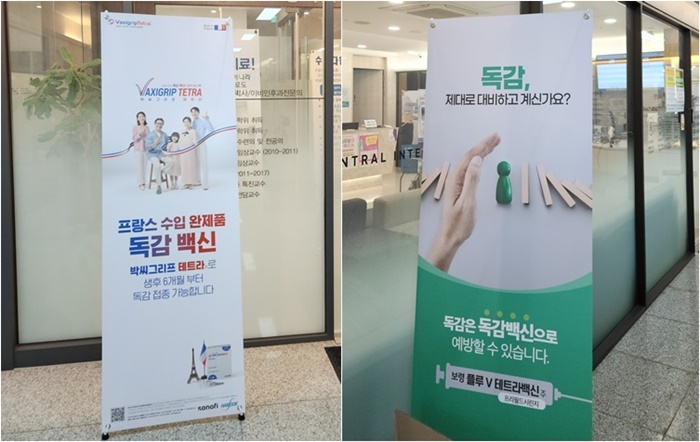
- Competition among pharmaceutical and biotech companies with influenza (flu) vaccines is intensifying more than ever. As more and more companies, including global pharmaceutical companies, are seeking to supply vaccines on-site, and specialized vaccines are being launched for each age group, the competition is expected to be unprecedented this autumn. # In particular, the formation of a non-reimbursed market for both vaccines has become a hot topic in the field, especially in the context of the resurgence of COVID-19. However, industry insiders do not expect large-scale co-vaccination to be carried out among adults, except for high-risk patients who are eligible for the National Immunization Program (NIP). According to industry sources on the 7th, the vaccine contracted by the Korea Disease Control and Prevention Agency (KDCA) for the ‘2024-2025 Influenza NIP Project’ is 11.7 million doses worth KRW 12.9 billion. This is more than the previous year's contracted volume of 11.21 million doses. KDCA signed contracts with GC Biopharma, Sanofi, Boryung Biopharma, SK Bioscience, Korea Vaccine, and Il-Yang Pharmaceutical. This is similar to last year. However, the details are different. Last year, GC Biopharma supplied less than planned after making the highest bid through the NIP, but the company made a different choice this time. Last year, GC Biopharma bid to supply 4.3 million doses, but only 1.74 million doses were delivered through NIP due to its supply price being pushed back. In other words, the doses that the company was unable to supply through the NIP were released into the non-reimbursed adult vaccine market. But the situation was different this year. GC BIopharma bid the highest price for the NIP, at KRW 10,810 per vaccine, and the largest volume of 2.65 million doses. The company was followed by SK Bioscience, which bid KRW 10,470 per vaccine for 2.55 million doses. It is also worth noting that Sanofi, which bid the lowest price at KRW 10,340, will supply 2.15 million doses. In addition, Il-Yang Pharmaceutical and Korea Vaccine will supply 2 million doses and Boryung Biopharma will supply 1.25 million doses to NIP. In addition, GSK will supply the flu vaccine Fluarix Tetra for the pediatric NIP. As a result, most of the flu vaccines are included in the NIP. The difference this year is in the adult vaccine market for the elderly. This is because Sanofi is planning to launch ‘Efluelda,’ a high-dose influenza vaccine for people aged 65 and over in time for this year's flu season in addition to the existing Vaxigrip. It is worth noting that CSL Seqirus launched ‘Fluad Quad’ last year for the 65+ age group. Fluad Quad was the first vaccine to enter this market, but the subsequent entry of Efluelda has created competition in the non-reimbursement vaccine market for the 65+ age group. While the NIP includes people aged 65 and older, clinical sites say there is a clear market for non-reimbursed Fluad Quad given the vaccination experience last year. “Given the situation last year, 1 in 10 of the elderly sought the vaccine,” said an otolaryngologist who requested anonymity. “I brought in about 100 units, which I used with the 1,200 doses of the NIP vaccine. I think the point that it is particularly effective for those aged 65 and older has made them aware of the need.” “Last year, the price of the vaccine was KRW 40,000 to 50,000, but this year, we need to consider the entry of its competitor,” he said. “There may be differences by region, but the price of the general vaccine is likely to be between KRW 25,000 and 30,000, and the price of the vaccine for the elderly is likely to set KRW 10,000 higher.’ Another point of interest is how the reemergence of COVID-19 will affect the flu vaccination season later this year. According to KDCA, 837 hospitalized patients were reported in the COVID-19 sentinel surveillance report at Week 35, a 28.0% decrease from Week 34 (1,163). This is a 48.2% decrease compared to Week 33 (1,464), 2 weeks earlier. The pathogen detection rate has also been decreasing for 2 consecutive weeks, from Week 33 (43.4%) to Week 34 (39.0%) to Week 35 (34.0%). COVID-19 viral concentrations in the wastewater surveillance also decreased by 27% from 2 weeks ago. While it is believed that the peak of the pandemic has passed, the government plans to continue to support COVID-19 vaccinations for high-risk groups, including those aged 65 and older and those who are immunocompromised. The clinical field is interested in the volume of non-reimbursed COVID-19 vaccinations alongside the flu vaccinations. If interest continues to rise, the patients may inquire about COVID-19 vaccinations during the flu vaccination season. In this situation, Moderna Korea, a leading vaccine supplier, has ended its relationship with Kwangdong Pharmaceutical and entered into a strategic partnership with Boryung Biopharma for the supply of COVID-19 vaccines in Korea. Through the partnership, Boryung Biopharma will provide medical information on Moderna's updated COVID-19 vaccine, which will be used in the government's ‘2024-2025 Season Inoculation Program,’ to healthcare providers in Korea. However, it is unlikely that many adults will be vaccinated with the non-reimbursed COVID-19 vaccine as it is relatively expensive. Currently, there is a consensus that the vaccine price will be in the mid-KRW 100,000 range without reimbursement. “The government seems to want to support COVID-19 vaccines to high-risk groups such as the elderly over the age of 65. Some of the other COVID-19 vaccines are currently in supply and their purchase price is in the KRW 100,000 range,” said Kyung-Geun Kwak, Chair of Seoul Physician’s Association (Seoul Medical Clinic) ”Because of this, the price of the COVID-19 vaccination will be in the mid- KRW 100,000 range. The flu had spread in Korea from August to September along with COVID-19, so those who had suffered inconvenience due to the 2 may likely seek vaccination for either disease.” Kwak added, “I understand that there are global policies in place, but personally I believe the COVID-19 vaccine is too expensive. “I doubt that relatively younger patients, except for high-risk groups, would be willing to receive vaccination at the price.”
- Company
- Livtencity's introduction raises expectations in the field
- by Hwang, Byung-woo Sep 10, 2024 05:47am
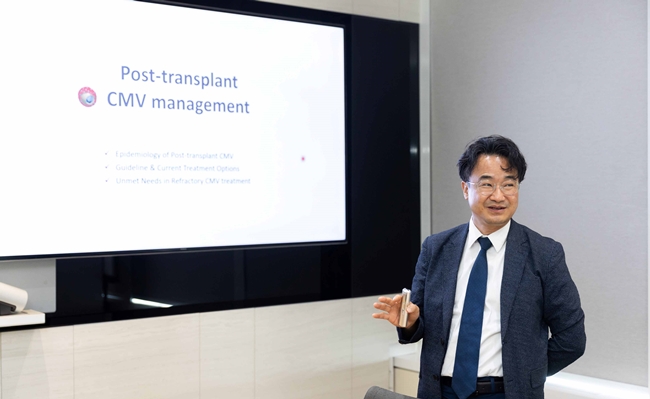
- The introduction of Livtencity (maribavir), a drug that can be prescribed to manage infections in transplant patients following the use of existing treatments, has been met with positive reviews in the field due to a lack of treatment options. Although the actual number of patients who will be prescribed the drug is limited, the drug is expected to play a role in the management of infections in patients who value their transplant opportunity. Sung-Han Kim, Department of Infectious Diseases, Seoul Asan Medical Center Sung-Han Kim, Professor of Infectious Diseases at Seoul Asan Medical Center, attended a media session organized by Takeda Pharmaceuticals Korea to discuss the paradigm shift in the treatment of patients with cytomegalovirus (CMV) infection. CMV is a double-stranded DNA virus that is a member of the herpesvirus family and is mainly transmitted through body fluids, white blood cells, and tissues such as transplanted organs. In Korea, about 94% of adults are known to be seropositive for CMV. For this reason, allogeneic hematopoietic stem cell transplantation or solid organ transplantation patients, whose immune function is temporarily reduced to control the body's rejection during the transplantation process, may develop latent CMV, rendering it an essential condition to manage. In Korea, up to 88% of patients after allogeneic stem cell transplantation and up to 55% of patients after solid organ transplantation experience CMV infection. CMV infection may be initially asymptomatic, but if not successfully treated, it can progress to CMV disease. CMV infection is also considered a major threat that increases the risk of graft rejection, opportunistic infections, and death. “People can be infected with CMV during adolescence to about 25 years of age and remain latent,” said Professor Kim, “and it can cause a number of diseases when the immune system is suppressed following transplantation. CMV infection in transplant patients is an indication of a poorer immune status, so it needs to be managed appropriately.” Currently, CMV treatment is divided into three phases: prophylaxis for those who do not have the virus, preemptive therapy for those who do have the virus but have not developed a disease, and treatment for those who have advanced to a disease. For solid organ transplant and allogeneic stem cell transplant patients, who are at high risk for CMV, ganciclovir (intravenous) and valganciclovir (oral) are used as first-line treatments. In the case of patients who show resistance or are refractory to antivirals and require second-line treatment, solid organ transplant patients are treated with ganciclovir or valganciclovir in combination with an adjusted dose of immunosuppressive agents. Foscarnet and cidofovir may also be considered, but their use is limited due to their non-reimbursed status. ”Livtencity is expected to serve as a promising new weapon for treatment of CMV...changing the guideline protocols remains a challenge” Livtencity has emerged in this situation. The drug was launched last year and has been granted reimbursement as a second-line treatment since April. Although the number of transplant patients is limited in Korea, the significance of its arrival is that it brings additional options to the field. Although several drugs are already used for CMV, there are patients who are refractory to the existing options, so Livtencity is expected to play a role as a later-line option. Kim said, “Organ transplants and bone marrow transplants are expensive, and there are cases where CMV can ruin the transplant. In an area where options are limited, Livtencity’s introduction is significant because it has a better effect and fewer side effects.” ‘As Livtencity is an oral pill, it can be taken as an outpatient treatment, which makes it more convenient for the patients,” added Kim. However, Kim believes that guidelines for post-transplant infection control need to be contemplated. While the growing options have improved patient access, it also comes with the risk of cuts. For allogeneic hematopoietic stem cell transplantation, the current treatment sequence is to use conventional first-line treatments such as ganciclovir and valganciclovir followed by Livtencity as a second-line treatment. MSD's Prevymis (letermovir) has also emerged as a prophylaxis for CMV infection, but it can only be used for up to 100 days after transplantation. “Prophylaxis after allogeneic stem cell transplantation is done most of the time, but due to the high cost of the drug and concerns about reimbursement cuts, the treatment is sometimes terminated at the wrong time or the right dose not used,” said Kim. “There is also a need for the hematology and infectious disease departments to discuss the treatment protocols to manage CMV after allogeneic stem cell transplantation.” “Various discussions need to be made to address these protocol issues, which is not easy in the current environment. We would need to sort out these protocols after the overall healthcare situation improves in Korea.”
