
- LOGIN
- MemberShip
- 2026-07-23 00:16:34
- Company
- Jemperli expands indication to all endometrial cancers
- by Whang, byung-woo Dec 11, 2024 05:52am
- Jemperli's (dostarlimab) indication was expanded to include its use as a first-line treatment in combination with platinum-based chemotherapy for all patients with advanced or recurrent endometrial cancer. The drug is expected to further expand its influence, with the Health Insurance Review and Assessment Service's Cancer Disease Deliberation Committee passing the drug’s use as first-line treatment of advanced or recurrent dMMR/MSI-H endometrial cancer in combination with platinum-based chemotherapy in October. Pic of Jemperli On the 10th, GSK Korea announced that it had received approval from the Ministry of Food and Drug Safety (MFDS) to expand Jemperli’s indication to include all patients with advanced or recurrent endometrial cancer on the 9th. This indication expansion allows Jemperli to be used as a first-line treatment for all patients with advanced or recurrent endometrial cancer, regardless of whether they have a mismatch repair defect (dMMR)/high-frequency microsomal instability (MSI-H). The Phase III RUBY study, which became the basis of Jemperli’s approval, evaluated Jemperli in combination with platinum-based chemotherapy (carboplatin plus paclitaxel) versus placebo and platinum-based chemotherapy in 494 patients with advanced or recurrent endometrial cancer. The study was designed to include at least 3 years of treatment given that the median survival for conventional platinum-based chemotherapy is less than 3 years. The primary endpoints were progression-free survival (PFS) and overall survival (OS) according to Response Evaluation Criteria in Solid Tumors (RECIST). Study results showed that the Jemperli combination arm reduced the risk of death by 31% compared to the control arm in patients with advanced or recurrent endometrial cancer. Over a median follow-up of 37 months, the median overall survival (OS) of patients receiving the Jemperli combination was 44.6 months, 16.4 months longer than the control arm (28.2 months), and the risk of death was reduced by 31%. The safety profile was consistent with the last interim analysis, with no new safety information observed. The most common treatment-related adverse events were fatigue, hair loss, and nausea, most of which were mild to moderate. Jae Kwan Lee, Professor at Korea University Guro Hospital (President, Korean Society of Gynecologic Oncology), said, “Endometrial cancer is a disease that carries a high risk of recurrence even after initial treatment. This is why an effective first-line treatment option is critical for the patients. The RUBY study is regarded as an important study that demonstrated the long-term effectiveness of immune-oncology drugs in endometrial cancer.” Lee added, “Jemperli in combination with platinum-based chemotherapy is the only immuno-oncology agent available for the treatment of endometrial cancer in Korea that has been shown to improve OS. We look forward to seeing more patients benefit from the clinical value of Jemperli in the future, as we have shown significant clinical value even though the study included patients who relapsed 6 months after chemotherapy and patients with high-risk diseases such as carcinosarcoma.” As a humanized IgG4 monoclonal antibody, Jemperli is a programmed death receptor-1 inhibitor (PD-1 inhibitor) that shows sustained antitumor activity in dMMR/MSI-H carcinoma. It was approved by the Ministry of Food and Drug Safety in December 2022 for the treatment of adult patients with recurrent or advanced dMMR/MSI-H endometrial cancer who are on or have progressed after prior platinum-based systemic chemotherapy and is reimbursed by health insurance.
- Company
- MM drug Revlimid continues to thrive after patent expiry
- by Eo, Yun-Ho Dec 11, 2024 05:52am
- Sales of the multiple myeloma drug Revlimid continue to thrive even after patent expiry in Korea. According to industry sources, Bristol Myers Squibb Korea’s Revlimid (lenalidomide) still boasts its originality with an 80% market share. As of Q3 2024 (IQVIA), Revelimid's sales were KRW 11.2 billion, significantly outpacing the sales of generics such as Lenaloma (KRW 800 million), Lenalid (KRW 981.1 million), Leblikin (KRW 305.85 million), and Lenaldo (KRW 35.51 million) during the same period. Revlimid has been used for various blood diseases for nearly 20 years since its approval by the U.S. Food and Drug Administration (FDA) in 2005 and has solidified its position as the “forefather” in the blood cancer treatment space. In particular, it has become the backbone in the multiple myeloma treatment space, being used in combination with newer therapies. Since its launch in 2009, it has been expanded to gain approval for 7 indications in four diseases, including multiple myeloma, and has been used in various combinations regardless of transplantation history or lines of treatment. In the recently updated National Comprehensive Cancer Network (NCCN) guidelines, combination therapies that include Revlimid are now recommended as Category 1 Preferred regimens, demonstrating the solid foundation it has built over the past 20 years. In clinical practice, Revlimid is actively used in combination with various therapies as a first-line treatment for multiple myeloma in Korea and abroad. Since April 2022, RVd therapy has been reimbursed by insurance in Korea, enabling newly diagnosed patients with multiple myeloma to receive REVLIMID regardless of whether or not they receive an autologous stem cell transplant. In addition to the first-line treatment, the relapsing nature of multiple myeloma makes it critical to maintain a favorable post-transplant prognosis with maintenance therapy, and starting in January 2023, Revlimid maintenance therapy was reimbursed and is available as a treatment option that focuses on improving survival in patients who achieve a stable disease response or better following autologous stem cell transplant. In a meta-analysis of three randomized controlled trials of Revlimid (CALGB 100104, IFM 2005-02, GIMEMA RV-MM-PI-209) conducted on 1,208 patients (605 in the lenalidomide maintenance arm and 603 in the placebo or observation arm), the PFS (progression-free survival) of patients that used Revlimid maintenance as monotherapy was 52.8 months, which was an over twofold improvement from the 23.5 months observed in the control arm, reducing the risk of relapse and death by 52%. At a median follow-up of 79.5 months, median overall survival (OS) in the Revlimid maintenance arm was not reached, compared to 86.0 months in the placebo or observation arm. At a median follow-up of 88.8 months, median overall survival (mOS) in the maintenance arm was 111 months, an increase of 25 months compared to 86.9 months in the placebo or observation arm, and the risk of death was significantly reduced by 23% compared to placebo or observation arm. Revlimid maintenance therapy is recommended at the highest level in both the NCCN and European Society for Medical Oncology (ESMO) guidelines. Hyeon Seok Eom, Professor of Hematology/Oncology at the National Cancer Center said, “Revlimid has been used for many years in multiple myeloma patients at various stages of treatment, from first-line to maintenance therapy,” said Dr. Hyunseok Eom, Professor of Hematology/Oncology at the National Cancer Center. As it has consistently provided multiple treatment options for patients with multiple myeloma in Korea and abroad, we expect it to bring positive synergies with the new drugs under development.”

- Company
- Antibiotic clarithromycin market grows fourfold in 3 yrs
- by Chon, Seung-Hyun Dec 10, 2024 05:53am
- The prescription market for the antibiotic clarithromycin has significantly expanded. The market size grew by nearly fourfold over three years. Impurities-related cautions were once issued, but the volume of use increased during the COVID-19 pandemic and endemic period. According to a pharmaceutical market research firm UBIST on December 9, the outpatient prescription market for clarithromycin in Q3 amounted to KRW 35.6 billion, up 45.6%. The macrolide antibiotic clarithromycin is a medicine used to treat respiratory infections, pneumonia, pharyngitis, tonsillitis, and sinusitis. Quarterly outpatient prescription sales for clarithromycin (unit: KRW 100 million, source: UBIST). The prescription market for clarithromycin has significantly increased throughout the pandemic and endemic period. In Q3 2021, prescription sales of clarithromycin amounted to KRW 9.3 billion, which was nearly a four-fold expansion in three years. During the early spreading of COVID-19, strengthened individual hygiene behaviors, such as washing hands and wearing masks, decreased patients with infectious diseases such as flu and the common cold. The market for clarithromycin also shrunk significantly. In Q3 2019, the prescription market size for clarithromycin amounted to KRW 14.7 billion. However, it shrunk by 36.9% in two years. As patients tested positive for COVID-19 rapidly increased since the end of 2021, the prescription market for clarithromycin entered a boom cycle. Analysis suggests that the market for clarithromycin grew more even after the end of the pandemic due to increases in patients with flu or the common cold. The prescription market size for clarithromycin in Q3 was recorded as second in history following Q4 last year. Even after the past issue of impurities, prescription demands for clarithromycin increased significantly. In September 2022, the Ministry of Food and Drug Safety (MFDS) issued pharmaceutical companies with the mandate to check the N-Nitrosodimethylamined (NDMA) contents of pharmaceuticals containing the active ingredient clarithromycin. The MFDS has ordered pharmaceutical companies to submit test results for representative batches of finished products containing clarithromycin that are available on the market. This action follows reports of NMDS exceeding acceptable limits in clarithromycin tablets overseas, which led to product recalls. The MFDS requested companies to submit the results immediately once the testing is completed, even before the deadline for the impurities document submission. After that, voluntary returns of clarithromycin-containing medicines as a precautionary measure were taken. The market for clarithromycin recorded KRW 46.5 billion in 2022. Last year, it grew to KRW 120.2 billion, exceeding KRW 100 billion for the first time in history. As mycoplasma infections quickly spread in China last year, concerns about clarithromycin production have risen in South Korea. At the end of last year, the MFDS visited manufacturing plants of pharmaceutical companies and monitored supplies and production·amount of shipment of active ingredients, such as clarithromycin and azithromycin, used for treating mycoplasma pneumonia infections.
- Company
- 1st MET-targeting anticancer drug likely to get reimb in KOR
- by Eo, Yun-Ho Dec 10, 2024 05:53am
- Product photo of Tepmetko (tepotinib) The MET-targeting anticancer drug 'Tepmetko' has passed the review process for reimbursement listing three years after being approved in South Korea.. Sources said that Merck Korea's Tepmetko (tepotinib), a treatment for patients with topically advanced or metastatic non-small cell lung cancer (NSCLC) harboring mesenchymal-epithelial transition factor gene exon 14 (METex14) skipping mutations, has passed the Drug Reimbursement Evaluation Committee (DREC) review of the Health Insurance Review and Assessment Service (HIRA). Now, the remaining procedure is the drug price negotiations with the National Health Insurance Service (NHIS). Tepmetko received domestic approval in 2021 at the same time as 'Tabrecta (capmatinib),' a drug with the same mechanism of action as Tepmetko, and proceeded with the reimbursement process. However, no MET anticancer drugs have yet been listed for reimbursement in South Korea. This drug failed to set the insurance reimbursement criteria twice, including the Cancer Disease Review Committee review of the Health Insurance Review and Assessment Service (HIRA) in March. Afterward, the company voluntarily withdrew from the reimbursement process and reapplied for reimbursement in July. The drug passed the DREC review this time. This milestone was achieved three years after obtaining domestic approval. NSCLC accounts for 80% of all lung cancer diagnosis. METex14 skipping occurs in 3-4% of patients with NSCLC. Based on the diagnosis of 1020 patients with NSCLC in South Korea, 1.9% of patients were confirmed to have METex14 skipping. The effectiveness of Tepmetko was evaluated through the VISION study, which enrolled the largest number of participants than any other clinical trials that enrolled patients with NSCLC harboring METex14 skipping mutations. The clinical results showed that patients treated with the drug had a median progression-free survival (PFS) of 15.3 months and an objective response rate (ORR) of 56.8%, demonstrating significant life extension effects. The median duration of response (DOR) was 46.4 months, and overall survival was 25.9 months, demonstrating long-term and continued anti-tumor activity. During the international conference of the Korean Association for Lung Cancer (KALC), Professor Han Ji-Youn, Division of Hemato-Oncology of the Center for Lung Cancer at the National Cancer Center, presented analysis outcomes of 79 Asian patients enrolled in the clinical trial for Tepmetko. Based on the results, the ORR was substantially high, with 66.7%. The second round of patients treated with the drug showed a 48.1% ORR. In the Phase 3 VISION follow-up study, Tepmetko also showed significant results in analyzing Asian patients. The analysis showed that Tepmetko-treated patients had an ORR of 56.6%, a median DOR of 18.5 months, a PFS of 13.8 months, and a median OS of 25.5 months. In particular, Asian patients with no prior therapy experience had an ORR of 64.0%, reconfirming the previous study results that the drug is effective in the first round of treatment. 39.6% of patients experienced adverse reactions over Grade 3, indicating that the safety-related issue has not been found. Tepmetko has passed the drug committees (DC) of 'Big 5' tertiary general hospitals, including Samsung Medical Center, Seoul University Hospital, Seoul St. Mary's Hospital, Asan Medical Center in Seoul, and Sinchon Severance Hospital, and 30 medical centers nationwide.
- Company
- GC Biopharma&Dong-A ST research mRNA-LNP-based treatment
- by Kim, Jin-Gu Dec 10, 2024 05:52am
- On the 9th, GC Biopharma announced that it had signed a follow-up joint research agreement with Dong-A ST to develop mRNA-LNP-based new drugs for chronic inflammatory diseases The companies had jointly selected new drug targets for chronic inflammatory diseases in October last year after forging a collaboration agreement that covers the joint research and development of novel modalities. The follow-up agreement will further identify mechanisms of action (MOAs) for drug targets selected last year and evaluate their efficacy and safety in preclinical models. GC Biopharma will synthesize mRNAs that can act on select targets, and screen and optimize LNPs that can be delivered to specific tissues. Dong-A ST will analyze the mechanism of action of the mRNA-LNP product derived by GC Biopharma and evaluate their efficacy in animal models. GC Biopharma has selected mRNA-LNPs as one of its next-generation drug development platforms and has secured its technology and patents. Based on this, it is currently conducting research on various preventive vaccines including flu vaccines and treatments. This agreement will expand the application of the mRNA-LNP platform to the field of immune diseases. Dong-A ST is focused on developing therapeutics for inflammatory diseases. In November last year, it began joint research on AAV (Adenovirus-associated virus) mediated gene therapy with the UMass Chan Medical School to target chronic inflammatory diseases. In January, the company transferred milk exosome-based oral nucleic acid delivery system technology from KIST to develop a treatment for inflammatory bowel disease. Jae-Uk Jeong, Executive Vice President and Head of Research and Development at GC Biopharma, said, “We will actively collaborate to develop therapeutics for chronic inflammatory diseases with high unmet medical needs. Through the joint research, we will advance GC Biopharma’s mRNA-LNP-based technology and expand its application to the development of various new drugs.” “We plan to continue our joint research in greater depth as our collaboration has achieved positive results in the past year,” said Jaehong Park, President & CSO at Dong-A ST. ”We will do our best to develop innovative new drugs for immune diseases by fully utilizing our respective capabilities and resources.”
- Company
- ‘Pluvicto, a new standard therapy for prostate cancer?'
- by Whang, byung-woo Dec 10, 2024 05:52am
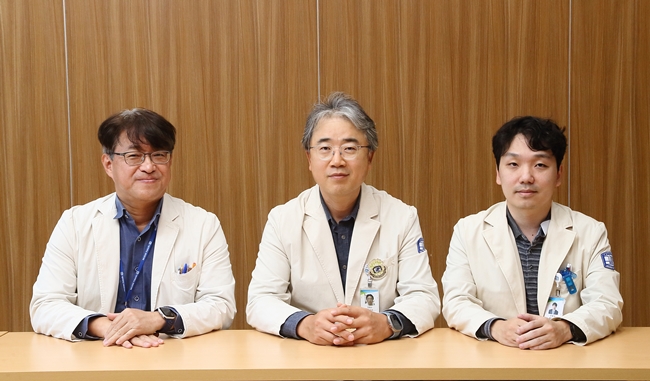
- Prostate cancer is one disease area where the treatment environment has been improving with the increasing number of treatment options listed for health reimbursement benefits. Recently, Pluvicto (vipivotide tetraxetan), a radioligand therapy with a new mechanism of action, has emerged and is attracting attention as a viable new standard of care. Although the prescription is still in its early stages in Korea, it is already expanding its influence in the global market. At a meeting with Dailypharm, SeungJu Lee, Professor of Urology; Byung-Yong Sim, Professor of Oncology; and Hyuk-Jin Yoon, Professor of Nuclear Medicine at Catholic University St.Vincent’s Hospital, expressed their views on how the new treatment option Pluvicto is expected to provide a new option for patients who are not responding to existing treatments. (From the left) Byung-Yong Sim, Professor of Oncology; Seung Ju Lee, Professor of Urology; and Hyuk-Jin Yoon, Professor of Nuclear Medicine at Catholic University St.Vincent’s Hospital Prostate cancer has been ranked as the leading cancer among men in recent years, and its diagnosis rate has been increasing due to the aging population and westernization, as well as active PSA (Prostate Specific Antigen) screening. Metastatic castration-resistant prostate cancer (mCRPC) is estimated to account for 20-30% of all prostate cancer patients. Its prognosis is favorable if detected early, as its 5-year survival rate exceeds 90%, but if the disease has already metastasized by the time of diagnosis and become mCRPC, the prognosis differs significantly from that of early-stage prostate cancer, as it cannot be cured with drugs. “Ten years ago, there was no way to cure mCRPC other than androgen deprivation therapy, but the introduction of antiandrogens had improved the condition and response of the patients,” said Professor Seung-Ju Lee. ”However, as even these treatments can lead to resistance, so we are looking forward to the development of further therapies.” Professor Byung-Yong Sim said, “In the treatment of mCRPC patients, patients are forced to move on to the next line of treatment due to resistance and eventually are left to receive chemotherapy. However, since most prostate cancer patients are elderly, there is also an issue that they cannot receive chemotherapy properly.” Radioligand therapy emerges for mCRPC...multidisciplinary care is key One such option is Pluvicto, a radioligand therapy (RLT). The drug was approved by the Ministry of Food and Drug Safety Korea in May for the treatment of adult patients with PSMA-positive mCRPC who had previously received ARPI therapy and taxane-based chemotherapy. In other words, the drug is expected to become a new treatment option for patients who have had a poor prognosis despite receiving existing therapies. “Previously, anticancer drugs were administered systemically through pills or injections, which then reached the cancer cells, but radioligand therapy’s mechanism of action allows radioactive substances to find and enter the target,” said Professor Lee. ”It is an effective treatment option that aligns with the characteristics of prostate cancer that can be administered with less impact on other cells.” It is also expected to be effective in terms of resistance, which is one of the challenges that exist with mCRPC treatment. “Continued treatment can lead to resistance, but Pluvicto selectively binds to prostate-specific membrane antigen (PSMA), which increases during the process of developing resistance to existing treatments,” said Professor Hyuk-Jin Yoon. ”Before treatment, patients can be tested with a radiopharmaceutical called PSMA PET-CT to determine their suitability in advance, allowing for more effective treatment.” However, due to the complex mechanism of RLT, multidisciplinary care is essential during the patient screening process. For this reason, only a few hospitals in Korea, including St. Vincent's Hospital, are currently able to prescribe Pluvicto. “Collaboration for RLT is only possible in hospitals that are large enough and are equipped with the facilities to handle nuclide materials,” said Professor Sim. ”We are forging multidisciplinary care, supported by a nuclear medicine department equipped with the scale to use radiotherapy materials related to bone metastases, and other departments screening the right patients.” “Pluvicto is administered in 6 cycles at 6-week intervals, and when you come to the hospital, you visit all 3 departments together,” he said. ”The whole body blood test is done by the oncology department, and the prostate is also related to urinary problems, so the urology department checks each of these problems and provides total care.” So how does Pluvicto actually work? While it's still early days for the drug and is hard to definitely say, the evaluation on-site is that has been shown to be effective in relieving bone pain. “A decrease in PSA levels by more than 50% is an important indicator of response, which can take as early as 2 weeks or as long as 4 weeks if the response is slow, so it's still too early to tell,” said Professor Yoon. ”However, one of the patients we recently treated was satisfied with the elimination of bone pain after the first treatment and is continuing onto the second treatment.” Pluvicto shows promise, but its high cost remains a challenge Aside from its therapeutic benefits, its high price tag is likely to be a hurdle like in many other new drugs. Currently, 6 cycles of Pluvicto are estimated to cost around KRW 200 million. Without reimbursement constraints, it is estimated that around 10% of men with castration-resistant prostate cancer (mCRPC), which accounts for 20-30% of all metastatic prostate cancer, would be eligible for Pluvicto. The number may be further reduced when screening eligible patients with PSMA PET-CT. “A lot of people could be helped if they didn't consider the price. Patients are highly interested in the drug, and we have visitors who received information about PSMA PET-CT and the list of hospitals that can treat it in patient advocacy groups, cafes, etc.” “There are some prostate cancer patients who are in good physical condition even though they have undergone all chemotherapy and hormonal treatments and have seen no effect. In such cases, Pluvicto would be a good option despite its high cost.” In the long run, however, the challenge will be its reimbursement. Professor Lee predicts that the reimbursement discussions will be made with the accumulation of prescription experience. “Reimbursement discussions have not been very active at academic conferences because Pluvicto is still new. Once we have a year or two of patient prescription experience, demand will also rise, and once there is demand, reimbursement discussions will be made one way or another.” “In urology, I think the introduction of Pluvicto will serve as momentum to the evolution of prostate cancer treatment, along with robotic surgery and antihormonal drugs,” added Professor Lee. ”I think the basis of the change is PSMA PET-CT, which will be a game-changer in diagnosis, and I think the related treatments will become an important issue that will attract the attention of academics for the next 2-3 years.”
- Company
- Padcev seeks reimb as mono and combo therapy in KOR
- by Eo, Yun-Ho Dec 09, 2024 05:47am
- The ADC bladder cancer drug Padcev is seeking reimbursement as both monotherapy and combination therapy in Korea. According to industry sources, Astellas Pharma Korea recently submitted reimbursement applications for Padcev (enfortumab vedotin) as monotherapy and combination therapy with PD-1 inhibitor Keytruda (pembrolizumab) in the treatment of adult patients with locally advanced or metastatic urothelial carcinoma who have received prior treatment with PD-1 or PD-L1 inhibitors and platinum-based chemotherapy agents. The monotherapy option passed the Health Insurance Review and Assessment Service's Cancer Disease Deliberation Committee review in February this year, but the application was rejected after the government and pharmaceutical companies failed to agree on the cost-effectiveness after the company completed the pharmacoeconomic evaluation. In response, Astellas Pharma plans to supplement the monotherapy data and reapply for its reimbursement in addition to the combination therapy. The drug is recommended as Category 1 in the National Comprehensive Cancer Network (NCCN) guidelines. It is a new treatment option for urothelial cancer patients whose cancer has progressed or recurred even after receiving treatment with immunotherapy drugs and platinum-based chemotherapy. The drug was approved in March in Korea for the treatment of adult patients with locally advanced or metastatic urothelial cancer who have received prior treatment with PD-1 or PD-L1 inhibitors and platinum-based chemotherapy, then approved in combination with Keytruda in July. “The Padcev combination is the first first-line therapy in metastatic urothelial cancer in 30 years to change the treatment paradigm and demonstrate unprecedented clinical benefit. We will continue to work closely with the government and stakeholders to ensure that patients with metastatic urothelial cancer in Korea can benefit from the use of our therapy,” said a company official. Padcev’s efficacy as a monotherapy was demonstrated through the EV-301 study, an open-label, Phase III trial that was conducted on 608 patients with locally advanced or metastatic urothelial cancer who have previously been treated with platinum-based chemotherapy and PD-1 or PD-L1 inhibitors. Study results showed that Padcev reduced the risk of death by 30% compared to chemotherapy. The median overall survival (OS) of the Padcev group was 12.9 months, demonstrating a significant improvement in survival compared to chemotherapy's 9.0 months. In addition, Padcev significantly improved progression-free survival (PFS) with a 38% reduction in disease progression or death risk, with the median progression-free survival (PFS) for Padcev being 5.6 months and 3.7 months for the control group. In the case of the Keytruda-Padcev combination, its efficacy was demonstrated through the randomized Phase III EV-302 trial that was presented at the European Society for Medical Oncology Annual Meeting (ESMO 2023) last year. The trial evaluated Padcev+Keytruda versus conventional chemotherapy in 886 patients in 25 countries. In the trial, the combination demonstrated a median progression-free survival (PFS) of 12.5 months over a median follow-up of 17.2 months, with a 55% reduction in the risk of disease progression and death compared to 6.3 months in the placebo arm.
- Company
- New treatment options for pancreatic cancer arise
- by Son, Hyung Min Dec 09, 2024 05:47am
- New antibody drugs are showing results in pancreatic cancer, a disease area that has been regarded as an incurable disease. Recently, a new bispecific antibody drug from the Dutch company Merus was approved for the treatment of pancreatic cancer in the United States. In clinical trials, the drug has shown therapeutic effects in patients with pancreatic cancer and non-small cell lung cancer. In Korea, efforts to develop new antibody drugs for pancreatic cancer are also underway. Prestige BioPharma, Aptamer Sciences, and ABL Bio have confirmed the potential of antibody drugs in pancreatic cancer. Merus’s HER2·HER3 targeted bispecific antibody secures indications for pancreatic cancer and non-small cell lung cancer According to industry sources on the 7th, the US FDA approved Merus' bispecific antibody Bizengri for the treatment of pancreatic cancer and non-small cell lung cancer. Bizengri is the first bispecific antibody approved for neuregulin 1 gene (NRG1) fusion lung and pancreatic cancer. The drug received accelerated approval and is subject to further confirmatory clinical trials to determine full approval. Bizengri was first under clinical development as a HER2-targeted antibody but was redirected to simultaneously target the NRG1 gene fusion, a variant of the HER2 and HER3 antibodies, to increase the therapeutic effect. Bizengri’s license was based on a Phase I/II eNRGy study. The study included 30 patients with NRG1-positive pancreatic cancer and 64 patients with non-small cell lung cancer who had failed prior therapy. The mean age of the pancreatic cancer patients was 49 years, and 57% were male. The primary endpoints were overall response rate (ORR) and duration of response (DOR) as determined by Blinded Independent Central Review (BICR). Clinical results showed an ORR of 40% in patients with pancreatic cancer. DOR ranged from a median of 3.7 months to up to 16.6 months. Bizengri showed a strong suit in terms of safety. The most common adverse events occurring after treatment with Bizengri were diarrhea, musculoskeletal pain, fatigue, nausea, constipation, vomiting, and abdominal pain. Adverse reactions occurred in approximately 10% of patients and were generally mild. Merus is recruiting patients to participate in a confirmatory clinical trial for full approval of Bizengri. The company expects Bizengri to be effective in all cancer types driven by NRG1 fusions. Monoclonal antibody, ADC, bispecific antibody for pancreatic cancer Korean companies are also trying to develop new drugs for pancreatic cancer through antibody drugs. Prestige Biopharma, LigaChem Biosciences, ABL Bio, and Aptamer Sciences are checking the potential of monoclonal antibodies, ADCs, and bispecific antibodies. Pancreatic cancer has one of the lowest survival rates among cancer diseases. According to the National Cancer Center, the 5-year survival rate for pancreatic cancer from 2017 to 2021 is only 15.9%. Due to its organ location, pancreatic cancer has an early detection rate of less than 10%, making it easy to metastasize to surrounding organs. New drugs from various domestic and foreign pharmaceutical companies have tried their hand in this field, but most of them have failed in the clinical trial stage. As such, antibody drugs are emerging as an alternative. Antibody-drug conjugates (ADCs) and multi-antibodies that target 2 or more biomarkers at the same time are actively being tested to conquer intractable diseases. Prestige Biopharma is developing an antibody drug candidate, PBP1510. PBP1510 neutralizes the pancreatic ductal adenocarcinoma overexpression factor PAUF protein, which is a therapeutic target for pancreatic cancer. PBP1510 is currently in Phase I/IIa clinical trials in Spain, the United States, Singapore, and Australia. Through this study, Prestige Biopharma plans to determine the safety and tolerability of PBP1510 in combination with gemcitabine. Aptamer Sciences recently signed a collaboration agreement with Kolon Pharmaceuticals to jointly develop its ADC candidate AST-203. The two companies plan to conduct clinical studies of AST-203 with the goal of securing an indication for pancreatic cancer. Aptamer Sciences and Kolon Pharmaceuticals will jointly develop its ADC candidate AST-203 for pancreatic cancer AST-203 targets TROP2, a protein mainly expressed in breast, pancreatic, stomach, and lung cancers. The new drug candidate selectively binds to TROP2-positive tumors and penetrates the cell, releasing MMAE, which inhibits cell division, to induce cancer cell death. TROP2 is an intracellular calcium signal transducer involved in cell proliferation and survival. The protein is present in normal cells but tends to be overexpressed in cancer cells and has been linked to drug resistance. The only commercialized drug targeting TROP2 is Gilead's ADC Trodelvy, which is approved for triple-negative breast cancer. In preclinical studies, Aptamer Sciences has shown promise for AST-203 in tumor spheroid (3D aggregates of tumor cells) models. According to the company, AST-203 demonstrated a 6.7-fold higher tumor penetration rate than the existing Trodelvy. ABL Bio is developing bispecific ADCs targeting major solid tumors, including pancreatic, esophageal, colon, and head and neck cancers. Its target antigens are not yet known, but the company says it has shown efficacy compared to single-target ADCs. The company plans to file an IND later next year to test the bispecific ADC in the clinic.
- Company
- Auto part company confirms potential of novel antibody drug
- by Son, Hyung Min Dec 09, 2024 05:46am
- Kumho HT's candidate product for cancer immunotherapy demonstrated drug tolerance and effectiveness in human-subject clinical trials. At the European Society for Medical Oncology (ESMO) Asia Congress 2024, held for three days from December 6, the Phase 1 clinical trial result of Kumho HT's DNP-002, a new anticancer drug, has been unveiled. Kumho HT anticipates collaboration with global pharmaceutical companies based on the results from the Phase 1 clinical trial. In 2021, Kumho HT, an automotive electronics company, acquired the antibody drug developer DiNonA, officially making an entry into the biotechnology sector. The company's largest shareholder, S-MAC, aims to secure a new revenue stream through this acquisition, diversifying its business portfolio beyond electronic components and materials. Based on DiNonA's antibody drug development platform, Kumho HT is developing anticancer agents, immune modulators, and COVID-19 therapies. Cancer immunotherapy with a novel mechanism demonstrates results in the Phase 1 trial Kumhu HT According to industry sources on December 9, Kumho HT unveiled the Phase 1 trial result of its 'DNP-002,' a candidate product for cancer immunotherapy targeting CEACAM6, at ESMO ASIA. The current result has been presented in about four years after the approval of the Investigational New Drug Application (IND) in South Korea in 2020. DNP-002 targets 'CEACAM6,' a protein overexpressed in cancer cells and myeloid-derived suppressor cells (MDSC). By targeting both tumor and MDSC, it re-activates the patient's immune system. CEACAM is a novel target protein known to selectively target regulatory T cells expressed within tumors without affecting T cells. Cancer immunotherapy and antibody-drug conjugates (ADCs) targeting CEACAM 1, 5, and 6 are undergoing clinical trials for major solid tumors such as gastric and esophageal cancers. The clinical trial involved 36 patients with solid tumors registered at Asan Medical Center in Seoul and the National Cancer Center. The study aimed to evaluate the efficacy, safety, and tolerability of DNP-002. Participants were 18 years or older, had a prior treatment history, and had an Eastern Cooperative Oncology Group Performance Status (ECOG PS) of 1 or lower. Higher ECOG scores indicate more severe symptoms. The cohort was divided into four groups based on patient characteristics. Clinical results showed that 1 out of 12 patients who could be evaluated for tumor assessment had a partial response (PR) of over 30% reduction in cancer cells. Seven patients were confirmed to have a stable disease (SD) with maintained tumor size. Patients with esophageal cancer registered to another cohort group showed a total of 69% reduction in tumor size compared to the baseline of administration and maintained PR for 30 weeks. Researchers stated, "0.03mg/kg of DNP002 treatment demonstrated a partial response and drug tolerance. We are conducting a study to determine the maximum drug dosage." Automotive electronics company acquires a novel drug developer, making an entry into the biotech industry An automotive electronics company, Kumho HT, began generating results in developing cancer immunotherapy in 2021. At that time, Kumho HT's largest shareholder, S-MAC's Chief Executive Officer & Director Kyung-Suk Cho, acquired DiNonA, a company developing novel antibody drugs. Cho established a corporate governance structure spanning Ohsung Advanced Materials-S-MAC-Kumho HT-DiNonA-Hwail Pharmaceutical through 'East Burgundy,' a management consulting firm wholly owned by Cho. Cho identified biotechnology as a future cash cow, transitioning from a business structure focused on automotive parts and materials. DiNonA, acquired by Kumho HT, specializes in antibody-based drug development and is currently conducting clinical trials for three anticancer drug candidates. One of these is 'DNP-002,' for which the Phase 1 clinical trial results were recently disclosed. Additionally, the company is conducting the clinical development of 'DNP-007,' an immunosuppressant candidate that received IND approval for Phase 1 in 2021. Previously, in 2018, DiNonA also licensed four antibody drug candidates to Aprogen. Kumho HT DNP-007 modulates dendritic cells and targets an antibody that induces acquired immune tolerance. Immune tolerance is the process by which immune cells are prevented from attacking one of our cells. Without proper immune tolerance, autoimmune diseases such as rheumatoid arthritis and multiple sclerosis can occur. DNP-007 is an antibody therapy known as MD-3, a humanized anti-ICAM-1 antibody that employs a novel mechanism to induce immunosuppression in transplanted organs by modulating dendritic cells. The company is conducting joint research with Seoul National University Hospital for DNP-007. According to recently released preclinical study results, monkeys that received continuous administration of DNP-007 maintained normal liver function for over three years, while those treated with conventional immunosuppressants survived less than three months. The company aims to develop 'DNP-007' as an alternative to calcineurin inhibitors, which are known to cause severe side effects such as diabetes, neurotoxicity, renal dysfunction, and alopecia. Based on the antibody drug candidates acquired through DiNonA, Kumho HT is exploring the potential for developing a wide range of antibody-based therapies in addition to the field of oncology. The company has completed Phase 1 clinical trials for its leukemia antibody therapy 'DNP-001.' An ongoing study is also being conducted for the COVID-19 treatment 'DNP-019' and the atopic dermatitis therapy 'KHT-2031' for pets.
- Company
- ‘Various treatment options emerged for ulcerative colitis'
- by Son, Hyung Min Dec 06, 2024 05:57am
- Tae Oh Kim, Professor of Gastroenterology, Inje University Haeundae Paik Hospital “Various treatment options such as biologics and JAK inhibitors have emerged for ulcerative colitis, but the patients’ options are limited because the government does not allow switching between drugs. Especially as the number of young patients in their 20s and 30s and their life expectancy is both increasing, securing various treatment options for these patients has become the more important.” Tae Oh Kim, Professor of Gastroenterology at Inje University Haeundae Paik Hospital explained so in a recent interview with Dailypharm regarding Korea’s ulcerative colitis treatment landscape. Ulcerative colitis is a chronic inflammatory growth disease of an unknown cause characterized by inflammation localized in the mucosal or submucosal layer of the large intestine. Due to the nature of ulcerative colitis, which is characterized by flare-ups and exacerbations and a varying clinical course, consistent medication is currently regarded as the only treatment option for affected patients. The good news is that there are many different treatment options available for the disease. There are several treatment options available for ulcerative colitis, including anti-inflammatory drugs, corticosteroids, immunomodulators, antibiotics, biologics, Janus kinase (JAK) inhibitors, and S1P receptor modulators. Kim said, “While many of these treatments have proven clinically effective, the patients we see in practice have different comorbidities, ages, etc. Therefore, we can't use the therapies based on clinical data alone,” said Dr. Kim. “We need to try drugs that are not only effective but also safe, but the current prescription standards for ulcerative colitis in Korea do not allow for effective treatment,” he added. Increased patients' life expectancy...“Various treatment options should be secured” According to the Health Insurance Review and Assessment Service, the number of patients with ulcerative colitis and Crohn's disease in Korea increased by 32% from 67,741 in 2017 to 80,289 in 2021. The prevalence of younger patients, especially those in their teens to 20s, has increased significantly due to Westernized eating habits. “As the life expectancy of the patients increased to 80-90 years, the more treatment options we have, the better,” said Kim. “However, all drugs lose their effectiveness over time. In the case of TNF alpha inhibitors, patients develop antibodies in the body, making it difficult to continue the use of the drug.: “We use drugs even if they are only 30% effective, and some patients do not respond to the drug from the beginning. However, due to the limitations of Korea’s insurance reimbursement system, we have to continue administering the ineffective drug to these patients.” In ulcerative colitis, switching between JAK inhibitors is not allowed in Korea. Korea’s insurance reimbursement standards allow patients to use steroids or immunosuppressants first, then switch to other therapies if they don't work. Biologics or JAK inhibitors can only then be used, but if a patient switches from one treatment to another, he or she cannot go back to the previous therapy. JAK inhibitors cannot be cross-administered. This is why the patients’ options are rather limited despite the many treatment options on the market. While developers have supported the use of various medications with efficacy and safety clinical data on switching, overseas cases, and accumulation of real-world data, the regulatory authorities have disallowed switching in ulcerative colitis, citing a lack of clinical evidence. “Some treatments have shown strengths in efficacy, such as Rinvoq, and others are strong in safety, such as Jyseleca,” said Kim. “However, I think it is problematic that we are not able to try new drugs due to Korea’s restrictive treatment selection standards. We should be allowed to switch drugs and then go back if the new option doesn't work for the patient. We may not have known enough about the effectiveness of the previous drug because it was used for a short period of time.” “Oral agents, such as JAK inhibitors and TYK2 inhibitors, have the advantage of not developing antibodies. It is important to increase patient access to a range of oral treatment options in addition to injectables, as antibodies can lead to loss of response. Some patients do not respond to any treatment. There is no set treatment sequence for ulcerative colitis and as patient characteristics also vary, it is important to have multiple treatment options available.”
