
- LOGIN
- MemberShip
- 2026-07-23 00:16:34
- Company
- Companies show mixed responses to patent term limitation law
- by Kim, Jin-Gu Dec 30, 2024 05:57am
- A bill to amend the Patent Act to limit the patent period for new drugs has passed the plenary session of the National Assembly. The amendment will limit the upper limit of the remaining patent term to a maximum of 14 years from the time a new drug is approved and allow only one of several patents registered for a single drug to be extended. The pharmaceutical industry has expressed both excitement and concern. Multinational pharmaceutical companies that own a large number of original drugs are worried that their patent life will be shortened. Domestic pharmaceutical companies, on the other hand, are generally excited about the prospect of being able to launch generics sooner. The amendment to the Patent Act raises concerns among multinational pharmaceutical companies...“will rather reduce access to drugs” According to industry sources on the 30th, the National Assembly held a plenary session on the 27th and passed the bill to amend the Patent Law. The amendments to the Patent Law are implemented through the government's promulgation process. Its effective date will be 6 months from the date of promulgation. The amendments will apply to patent applications registered after the amendment is enacted. Assuming that the revised law is promulgated early next year, this means that the new patent term system will be implemented as early as the second half of next year. The revision is expected to result in a shorter patent term for original drugs in Korea. Conversely, this means that generics will be available in Korea sooner. The advantages and disadvantages that the amendment will bring to original and generic companies will be sharply divided. Multinational pharmaceutical companies with a large number of original drugs are expected to be disadvantaged by the revised law. The shorter patent period will allow generics to be launched sooner, which will result in lower drug prices. It is also expected to partially neutralize the original companies’ strategy of delaying generic entry by extending multiple drug patents. When the actual amendment was being discussed by the National Assembly, the multinational pharmaceutical companies submitted a statement opposing the amendment. Korean Research-based Pharmaceutical Industry Association (KRPIA) criticized the amendments, saying, “Adopting foreign practices for only some elements, rather than revising the entire regulation on patent term extension, undermines the public's access to medicines and undermines international harmonization.” A representative of a multinational pharmaceutical company said, “Patent challenges by generic companies have been frequent in Korea due to the first generic prior authorization (first generic) system, and the probability of winning patent lawsuits has been higher for the generic companies than in the US and Europe.” “Under these circumstances, shortening the effective patent term will just further damage the companies that own the original drugs.” Expenctations rise among domestic companies on “launching generics faster”…some play ‘caution’ On the other hand, domestic pharmaceutical companies generally welcome the passage of the Patent Act amendment bill during the National Assembly’s plenary session. As the patent term of original drugs will be shortened, the domestic pharmaceutical companies expect this will accelerate the early release of generics, which already own a fair share of the market. “Compared to advanced countries such as the U.S. and Europe, Korea has been overprotective of the patent term of original drugs,” said an official from a Korean pharmaceutical company. ”I think it's good that the law has been revised so that we can keep pace with the global pharma and biotech industry.” “The extended patent life was virtually impossible to overcome,” the official said, adding, ”The revised law is expected to play a positive role in the national health insurance finances by accelerating the time to market generics.” However, some domestic pharmaceutical companies that own original products were not so quick to welcome the change. “Compared to the past, more domestic pharmaceutical companies have succeeded in developing original drugs. In the future, there will be more companies that own originals,” he said, adding, ”In such a situation, competition with other domestic pharmaceutical companies will inevitably intensify if the patent term is shortened.” 14-year upper limit wet on patent term after marketing authorization...will shorten the total patent term The Patent Act passed by the National Assembly has two main objectives. One is to place a cap of 14 years on the remaining term from the date of drug approval. Previously, the limit for extending the patent term was stipulated to 5 years, but there was no provision for a cap on the total term, including post-authorization patent extensions. On the other hand, the United States and China limit the effective patent term to 14 years and Europe to 15 years. The Korea Intellectual Property Office promoted the introduction of a cap on the effective patent term for equity and international harmonization with other countries. Even if a particular pharmaceutical company is granted a patent term of 20+5 years (normal patent term + extension period), the cap is set at 'up to 14 years from the time of marketing authorization, thus shortening the overall patent term. For example, Pfizer's ALK-targeted anti-cancer drug Xalkori (crizotinib) has a 14-year patent term in the U.S. after FDA approval. Due to this cap, Xalkori was only granted a patent extension of 1 year and 6 months (547 days) in the US. In Korea, however, there is no such cap, so Pfizer was granted a full patent extension. The patent extension period for Xalkori in Korea is 2 years and 10 months (1,034 days), which is about 1 year and 4 months (16 months) longer than in the US. 1One patent extension granted per item...favorable for generic companies The law was also amended to allow generic companies to choose only one patent to extend out of the many patents registered for a single drug. Generally, the original company registers as many patents as possible when developing a drug. A single drug may have more than 10 patents, including product patents, use patents, dosage forms patents, method and dosage patents, formulation patents, and crystalline form patents. The more patents a company has, the better it is to defend its product against generic challenges. This is why only one of the patents registered for a drug can be extended in the U.S. and Europe. For example, for the rheumatoid arthritis drug Xeljanz (tofacitinib), Pfizer applied for a patent extension in the U.S. for its product patent from among several patents. As a result, the patent term for Xeljanz became 20+5 years. In Korea, on the other hand, if multiple patents are registered for a drug, each patent can be extended. In fact, Pfizer applied for an extension (up to five years) for 2 product patents and 1 formulation patent in Korea. An overlap occurred when all 3 patent extensions were granted simultaneously. As a result, the patent term for Xeljanz in Korea is approximately 2 years (732 days) longer than in the US and Europe. The benefits to Pfizer of having 2 more years of Xeljanz patent term in South Korea are significant. For one thing, the company can avoid the price reductions that would come with the introduction of a generic version of Xeljanz. The price of the original drug was reduced by 70% in the first year and 53.55% in the second year upon the release of the generic, but Pfizer delayed this price cut by 2 years. By delaying the launch of the generic, the company can maintain its market monopoly for 2 more years. Considering how the annual sales of Xeljanz are around KRW 15 billion, Pfizer avoided a loss of KRW 12.8 billion + α for 2 years.
- Company
- Generic drugs mkt heat up as GLP-1 obesity meds demand soar
- by Son, Hyung Min Dec 30, 2024 05:57am
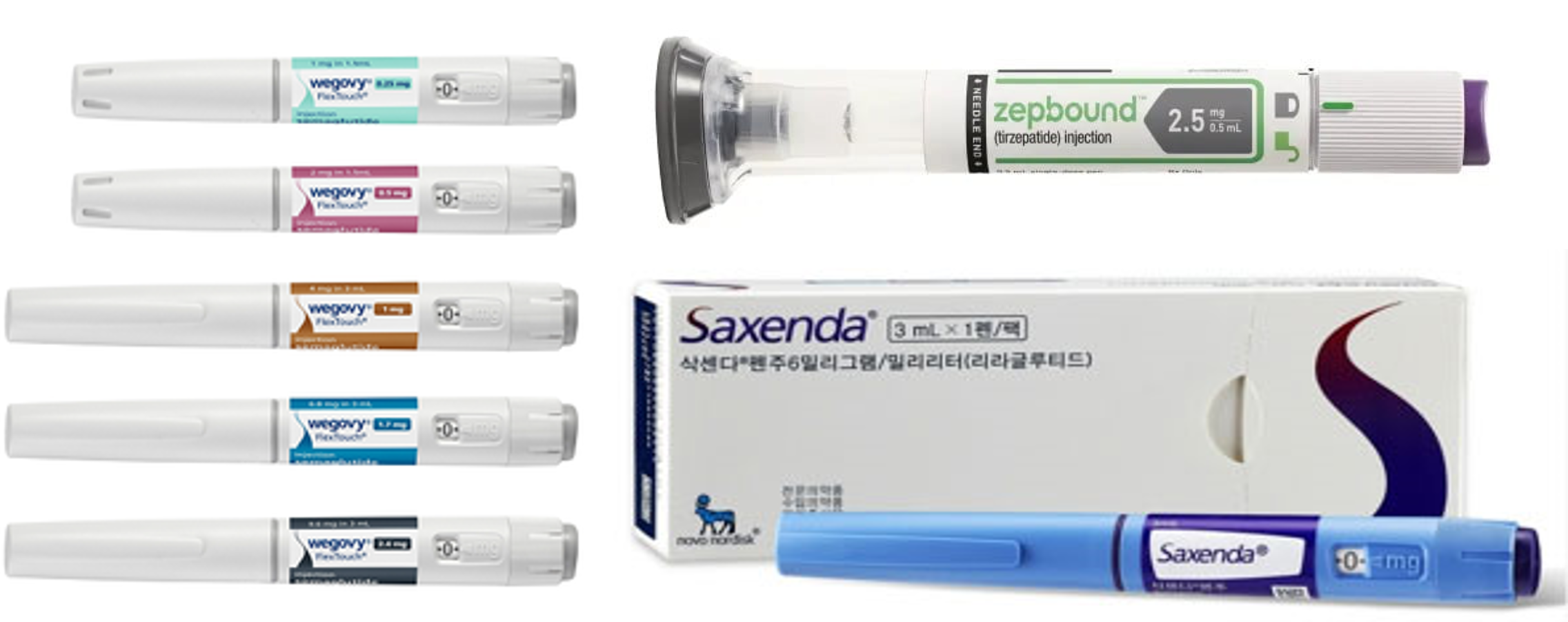
- It has been reported that not only new drugs but also generics have joined the competition in the market for glucagon-like peptide-1 (GLP-1)- containing treatment for diabetes and obesity. In the United States, generic versions of liraglutide, which is an active ingredient of the diabetes obesity·treatments Victoza·Saxenda that are GLP-1 receptor agonists. In addition to the development of generic versions of liraglutide, generics of dulaglutide, an active ingredient of Trulicity, are under development. Due to the benefits of effective weight loss with GLP-1 agonists, obesity treatment usage is significantly increasing. Several GLP-1 agonists for treating obesity, including semaglutide and liraglutide, are in shortage worldwide. The shortage in supply is due to a surge in demand for the drug. Consequently, regulatory authorities expect that generic versions of diabetes·obesity drugs that are GLP-1 agonists will likely to resolve drug shortages. The second diabetes drug containing liraglutide has been approved in the United States Novo NordiskAccording to industry sources on December 30, the U.S. Food and Drug Administration (FDA) has granted approval to a Victoza generic developed by a British pharmaceutical company, Hikma Pharmaceuticals. This approval is the second for a generic GLP-1 agonist following Teva's generic for Victoza. Teva Pharmaceuticals launched an authorized generic of Victoza after signing an agreement with Novo Nordisk. Victoza is a GLP-1 agonist for diabetes treatment developed by Novo Nordisk. It was first introduced to the market after obtaining approval in the United States in 2010. After discovering the drug's weight loss effect during a clinical trial, Novo Nordisk introduced obesity drug containing the same active ingredient to the market in 2014. Currently, GLP-1 agonist drugs, including liraglutide and semaglutide, are in global shortage. Regulatory authorities, such as the FDA, have announced that they will prioritize the review of approval applications for generic versions of originals, which will resolve the issue of limited patient access. The latecomers to the market anticipate gaining a market presence due to a surge in GLP-agonist demands. These developers plan to challenge the market by introducing the drugs at lower prices than the originals. Pre-launched Teva's Victoza generic is sold at a 15% lower price than the original drug. Analysis suggests that not only latecomer new drugs but generics will continue to compete fiercely in the market, as GLP-1 agonists are demonstrating effectiveness in treating metabolism dysfunction-related MASH and brain diseases, in addition to diabetes and obesity. Currently, GLP-1 agonist drugs are leading the market for diabetes and obesity treatments. Lily's Mounjaro, a GLP-1 agonist for diabetes, recorded sales of KRW 6.8482 last year, up 971.2% from 2022. The sales of Mounjaro, which was launched in May 2022 and generated the sales of KRW 640 billion in the same year, soared last year. Novo Nordisk's GLP-1 agonist drugs for diabetes also showed growth last year. Ozempic recorded sales of KRW 5.048 trillion last year, up 52% from the previous year. The sales of Rybelsus, containing the same active ingredient, amounted to KRW 1.44 trillion, up 140% from 2022. Saxenda generated sales of KRW 1.2252 trillion last year, up 9.8% from the previous year. Despite the shortage, Wegovy exceeded KRW 300 billion in sales last year. Pharmaceutical companies are closely watching the market for generic versions of GLP-1 agonists Korean companies are also closely watching the market for GLP-1 agonist generics. Handok has successfully launched a generic version of Saxenda, developed by the Indian biotech company Biocon, in South Korea. Both company signed an exclusive domestic sales·distribution agreements for Saxen generic in May. Biocon obtained approval for its first generic of Saxenda in the UK in March and launched the drug this month. Along with Biocon, the Indian companies Dr. Reddy's and Cipla and the Swiss company Sandoz are developing a generic version of liraglutide for diabetes and obesity treatments. Korean and overseas pharmaceutical companies are also focusing on semaglutide and dulaglutide, in addition to liraglutide. Semaglutide is an active ingredient of Novo Nordisk's diabetes treatment, Ozempic, and obesity treatment Saxena. Dulaglutide is an active ingredient of Lily's diabetes treatment Trulicity. Wegovy·Zepbound·Saxenda, GLP-1 agonists for obesity In June, the Chinese company Boan Biotech applied to the Chinese regulatory authority for approval of its generic version of Trulicity. This represents the first approval application for a generic version of Trulicity. Currently, generic versions of GLP-1 agonists for diabetes and obesity are continuing to be developed. Last year, a Chinese company successfully received approval for its Saxenda generic. Sam Chun Dang Pharm is targeting semaglutide generic. In June, the company signed an exclusive sales agreement with a Japanese pharmaceutical company for an oral generic version of semaglutide. The deal entails sales condition after the substance patent of semaglutide expires. In Japan, semaglutide's substance patent expires in 2031. Since 2018, Sam Chun Dang Pharm has been developing a generic version of liraglutide using its formulation-changing technology, called 'S-PASS.' Sam Chun Dang Pharm states that the company can avoid the formulation patent because it has been developing biosimilars and generics that avoid the patents of original formulations. The company recently confirmed the drug equivalence through a pharmaceutical equivalence test.
- Company
- First RSV vaccine Arexvy Inj lands in Korea
- by Whang, byung-woo Dec 27, 2024 05:56am
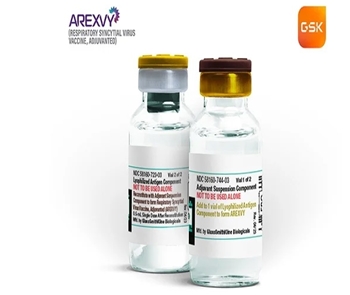
- Arexvy, GSK's global sales driver as a No. 1 adult RSV vaccine, is set to launch in Korea. Pic of Arexvy GSK Korea's Respiratory Syncytial Virus (RSV) vaccine Arexvy was recently approved by the Ministry of Food and Drug Safety (MFDS) for the prevention of lower respiratory tract disease (LRTD) caused by RSV in adults aged 60 years and older. After setting the milestone as the first RSV-LRTD vaccine, the vaccine was approved by the U.S. Food and Drug Administration (FDA) in May last year and then extended to those 50-59 years of age in June. The approval was based on results from two Phase III studies, RSV OA=ADJ-006 and RSV OA=ADJ-004, in adults aged 60 years and older. Study results showed, Arexvy significantly reduced the risk of RSV-LRTD by 82.6% and the risk of severe RSV-LRTD by 94.1% compared to placebo in subjects 60 years of age and older. In addition, vaccine efficacy for RSV-A-associated LRTD events and RSV-B-associated LRTD events was 84.6% and 80.9%, respectively. In addition, in 2 RSV seasons (from 15 days after the first dose in the Northern Hemisphere to the end of the second season), the mean follow-up period was 17.8 months, with 67.2% efficacy for RSV-LRTD and 78.8% efficacy for severe RSV-LRTD in patients aged 60 years and older. “RSV infections can be severe and even fatal in high-risk groups, such as the elderly, and bring a major social burden,” said Dr. Won Seok Choi, professor of infectious diseases at Korea University Ansan Hospital. ”Global health authorities in the U.S., U.K., and elsewhere are continuing efforts to prevent simultaneous outbreaks of RSV, influenza, and COVID-19.” “Older adults are at greater risk of infection due to age-related immune decline and a greater likelihood of complications,” said Professor Choi. ”Cross-infection can occur between young children and elderly grandparents, so practicing good personal hygiene and getting vaccinated early can help keep you, your family, and society safe.” Arexvy generated KRW 2 trillion in global sales last year...Records No. 1 in global share Currently, Arexvy’s global sales are on an upward trajectory, driven by its title as the first RSV vaccine. According to GSK's earnings release, Arexvy’s global sales in the second quarter were GBP 62 million (KRW 108 billion). Given that the RSV season is in the third and fourth quarters, sales are expected to become greater. Last year, the company's total revenue was GBP1.15205 billion (approximately KRW 2 trillion) GSK has raised its revenue forecast for 2024 based on the growth of its RSV vaccine and expects revenue to increase by 7-9% over last year. In particular, the company’s share is expected to grow despite the arrival of competing vaccines from Pfizer and Moderna. In the short term, the company plans to increase its global presence outside of the U.S. and European markets, including Japan. This includes South Korea, where it recently received approval from the Ministry of Food and Drug Safety. Arexvy is available in a vial containing the antigen (powder) in pre-fusion form of the RSV F-protein and a vial containing the immunostimulant (AS01E, suspension), where 0.5 mL of the reconstituted vaccine is administered intramuscularly using a needle. It can be administered in combination with the non-immune-boosting inactivated seasonal influenza vaccine, and the CDC recommends RSV vaccination for adults aged 75 and older or high-risk groups between 60 to 74 years of age. “RSV infections are a significant physical and economic burden for high-risk groups, including the elderly, and GSK is committed to the successful launch of Arexvy to not only prevent infection in adults but also to reduce the burden of disease for patients in Korea,” said Hyunji Kwon, Head of the Vaccines Business Unit at GSK Korea.
- Company
- SK Bioscience and Sanofi sign contract to co-develop
- by Cha, Jihyun Dec 26, 2024 05:51am
- SK Bioscience has extended the scope of vaccine development in collaboration with the global pharmaceutical company Sanofi. The company aims to advance the pneumococcal conjugate vaccine currently being developed to the next-generation vaccine. SK Bioscience and Sanofi announced on December 23 that they have signed an agreement to co-develop the next-generation pneumococcal conjugate vaccine for infants and young children. The new vaccine will provide a broad preventive effect compared to the currently commercialized products. This contract extends the scope of collaboration that both companies have previously signed for the development and commercialization of 'GBP410,' a 21-valent pneumococcal conjugate vaccine. Previously, SK Bioscience signed a co-development and sales agreement with Sanofi in 2014 for the next-generation pneumococcal conjugate vaccine. Based on the extended agreement, both companies plan to develop an innovative next-generation pneumococcal conjugate vaccine that is more advanced than 21-valent vaccines. Given new projects, SK Bioscience will receive a 50 million euros (about KRW 75.5 billion) upfront payment from Sanofi. The company will receive additional milestones per stage until the development is completed. Both companies will be equally responsible for development costs. Sanofi will be responsible for commercialization costs. Once commercialized, SK Bioscience will sell the vaccine in South Korea, and Sanofi will be responsible for global sales. Both companies will equally share revenues generated from sales at a predetermined rate. A conjugate form of pneumococcal vaccine is known to offer superior preventive effects among the developed pneumococcal vaccines. As of 2023, it takes 94% of the sales of the pneumococcal vaccine market worldwide. According to the global pharmaceutical statistics agency Evaluate Pharma, the pneumococcal vaccine market has achieved a compound annual growth rate (CAGR) of 4.7%. The market is projected to grow from KRW 11.9 trillion in 2024 to KRW 14.2 trillion by 2028. SK Bioscience plans to target the global pneumococcal vaccine market with advanced technology, aiming to secure a new growth engine for the future and establish itself as a leading global vaccine and biotech company. Photo of SK Bioscience In addition to developing next-generation vaccines, the clinical trial of GBP410 conducted by both companies is progressing smoothly. Last week, GBP410 entered a multinational Phase 3 clinical trial, with the first participant dosed. The Phase 3 trial involves over 7,700 infants, children, and adolescents aged six weeks to 17 years, comparing the immunogenicity·safety of up to four doses of GBP410 against an already approved pneumococcal vaccine. SK Bioscience and Sanofi confirmed the efficacy and safety of GBP410 in a Phase 2 clinical trial conducted last June. The comparative study involved 140 children aged 12 to 15 months and 712 infants aged 42 to 89 days, evaluating GBP410 against a control vaccine (Prevenar 13) for primary and booster vaccinations. The results demonstrated that the immunogenicity of GBP410 was comparable to that of the control vaccine. Regarding safety, no vaccine-related serious adverse events were reported in the GBP410 group. Even when co-administered with other recommended vaccines for infants and children, such as vaccines for tetanus, diphtheria, pertussis, polio, and Haemophilus influenza type B, GBP410 exhibited equivalent immunogenicity and safety to the control vaccine. GBP410 was the first to include a serotype over a 20-valent among the vaccine candidates that entered a phase 3 trial targeting infants. SK Bioscience anticipates that GBP410 will reduce invasive pneumococcal disease (IPD) in infants and young children. "The contract extension between SK Bioscience and Sanofi was based on trust between two companies, given the potential of a 21-valent vaccine and positive market outlook," Jaeyong Ahn, CEO of SK Bioscience. "As Korea's key company in the vaccine and biotech industry, SK Bioscience will secure vaccine market share and strive to launch a blockbuster vaccine successfully."
- Company
- Daiichi Sankyo to build manufacturing facilities in China
- by Kim, Jin-Gu Dec 26, 2024 05:50am
- Daiichi Sankyo will build a manufacturing facility in China for its ADC (antibody-drug conjugate) anticancer drug Enhertu. The plant, which will be built in Shanghai, is scheduled to be completed in 2030, and its products will be supplied to China. According to KoreaBIO, Daiichi Sankyo recently announced plans to build a manufacturing facility for Enhertu in Shanghai, China. A total of USD 152 million (approximately KRW 220 billion) will be invested in the construction of the facility. Completion is expected in 2030. Daiichi Sankyo explained that the products produced here will be supplied in China. The new construction plan is attributed to the fact that Enhertu was listed for health insurance reimbursement. China's National Healthcare Security Administration (NHSA) recently released the National Reimbursement Drug List for Basic Medical Insurance, Work-Related Injury Insurance and Maternity Insurance (NRDL). The list includes 91 new drugs, including Enhertu, that are covered by health insurance. The list includes 26 anti-cancer drugs, 15 drugs for chronic diseases such as diabetes, 13 drugs for rare diseases, 7 anti-infectives, 4 drugs for mental illness, 11 herbal medicines, and 21 other drugs. Their health insurance coverage will take effect next January. Pharmaceutical companies have been negotiating their drugs’ prices to be included in China's health insurance program. Of the 91 items to be reimbursed next year, 89 have undergone such price negotiations. The average reduction in drug prices is 63%. China's health authorities estimate that CNY 50 billion (about USD 10 trillion) in patient cost savings will be realized next year through reimbursement alone. However, the exact percentage reduction for Enhertu has not been disclosed. Enhertu was initially approved in China in 2023 for HER2-positive breast cancer. It has since been expanded to include HER2 low-expressing breast cancer, HER2-positive gastric or gastroesophageal junction cancer, and HER2-mutant NSCLC. “The ADC manufacturing facility for Enhertu is expected to be operational in 2030,” said Daiichi Sankyo. ”This investment marks the first instance of establishing an ADC manufacturing facility in China, and the products produced here will be supplied to China.”
- Company
- K-Bios seek drugs to be used in combination with ADCs
- by Son, Hyung Min Dec 26, 2024 05:50am
- The domestic pharmaceutical and bio-industry are changing clinical trial protocols and confirming the possibility of their use in combination therapy with antibody-drug conjugates (ADCs). In particular, a growing number of companies are trying to use their drugs in combination with Enterhu, which has shown an effect across solid cancers For example, GI Innovation and AbClon are aiming to maximize the effectiveness of their existing immuno-oncology and targeted anti-cancer drugs by using their drug in combination with Enhertu. In particular, they expect to show benefits in terms of side effects by combining a reduced dose of Enhertu with their respective new drug candidates that are under development. Change in clinical trial protocol…expects to double their drug’s effect by adding Enhertu Daiichi Sankyo and AstraZeneca According to industry sources on the 24th, GK Innovation and AbClon have been evaluating the possibility of combining their respective drug candidates with Enhertu. Enhertu is a new antibody-drug conjugate anticancer drug that was codeveloped by Daiichi Sankyo and AstraZeneca. It is a next-generation ADC that combines a monoclonal antibody with the same structure as trastuzumab, which binds to a specific target receptor overexpressed on the surface of cancer cells, and a topoisomerase I inhibitor payload with a tumor-selective cleavable linker, which is a novel and highly potent mechanism of action. ADCs are anticancer drugs manufactured by linking an antibody that binds to a specific target antigen on the surface of cancer cells with a drug that has cell-killing (cytotoxic) properties. ADCs act selectively on cancer cells, by using the selectivity of antibodies to their targets and the killing activity of drugs to increase therapeutic efficacy while minimizing side effects. While the first-generation ADC, Roche’s Kadcyla, was only approved for breast cancer, second-generation ADCs such as Enhertu have been succeeding in securing a variety of indications. Currently, Enhertu is approved for HER2-positive gastric cancer, breast cancer, and non-small cell lung cancer. The domestic pharmaceutical and biotech industry has also taken note of the effectiveness of Enhertu and is trying to change their clinical trials to attempt its use as a combination therapy. GI Innovation recently changed a Phase I/II clinical trial for its immuno-oncology drug candidate 'GI-102' in the U.S. to a study to confirm its efficacy in combination with Enhertu. GI-102’s pipeline targets tumors and immune cells by targeting CD80 and interleukin (IL)-2 and has been engineered to have lower alpha receptor binding compared to GI-101A. High alpha receptor binding is known to increase regulatory T cells, which reduces the anti-cancer effects. GI-102 is being developed as both intravenous (IV) and subcutaneous (SC) formulations. GI-102 has also shown promise as monotherapy in trials. Recently, the company's Phase I/IIa data showed an objective response rate (ORR) of 43% when GI-102 was administered to patients with melanoma. In addition, lymphocyte proliferation was enhanced by GI-102 treatment, with no serious drug toxicity observed. Therefore, GI Innovation expects that the combination of GI-102 and Enhertu will bring greater effect. The company believes that the combination of GI-102 with a reduced dose of Enhertu can reduce side effects such as interstitial lung disease (ILD) that occur with Enhertu alone. AbClon recently announced that a new IND for its lead drug candidate, AC1-01, has been approved in China. AC-101 is an antibody-drug developed by AbClon that targets HER2 mutations. Its technology was licensed out to Henlius in China in 2016. The new trial will test the effectiveness of AC-101 in combination with Herceptin or Enhertu, both of which are used in breast cancer. With this change, AbClon plans to test its potential in gastric cancer and other solid tumors. Previously, AC-101’s efficacy was validated in combination with Herceptin. In patients with HER2-positive gastric cancer, the ORR, which signifies the reduction in tumor size measured at 72 weeks post-dose, was 41.2% in the low-dose arm, 16.7% in the high-dose arm, and 5.6% in the control arm. Based on such results, the company expects the addition of Enhertu to extend the benefits of AC-101 across HER2-positive solid tumors. Voronoi is also open to the possibility of combining its drug with Enhertu. The company is developing VRN10, a HER2-positive targeted therapy. VRN10 entered Phase I clinical trials last month. The Phase I trial of VRN10 is being conducted at 5 sites in Korea and Australia in approximately 70 patients with solid tumors, including HER2-positive breast cancer. In preclinical studies, VRN10 was found to be highly active against Enhertu-resistant cells. Voronoi believes that its selectivity for the HER2 biomarker may improve side effects such as diarrhea and dermatitis, and its brain penetration is superior to existing therapies. Voronoi expects the combination of VRN10 and the HER2 ADC to bring synergy.

- Company
- Losartan prescription market has grown 15% in 3 years
- by Chon, Seung-Hyun Dec 26, 2024 05:50am
- The prescription market for the antihypertensive drug losartan has shown an upward trend. Its market plummeted in 2021 following the detection of excess impurities in all losartan products but has since recovered obviously. Prescriptions of both single and combination losartan drugs have risen over 10% from three years ago. Analysts say the recurring impurity issues have diluted fears of impurities in drugs. According to the drug research institution UBIST, outpatient prescriptions for losartan-containing drugs totaled KRW 70.3 billion in the third quarter, up 4.7% year-on-year. Compared to KRW 64.3 billion in the third quarter of 2022, prescriptions have increased 9.4% in two years. Quarterly prescriptions of losartan drugs in Korea (Purple: losartan combination therapy, blue: losartan monotherapy) This is the first time in 3 years since the fourth quarter of 2021 that quarterly prescriptions for losartan drugs exceeded KRW 70 billion. The prescription market for losartan formulations has been on the rise since 2021, despite a significant decline in prescriptions following the exposure of its impurity issue. In September 2021, 183 lot numbers of 73 products across 3 ingredients - losartan, valsartan, and irbesartan - were recalled for excess impurities. Later in 2021, impurity issues arose in the entire losartan formulation. In 2021, 295 batches of losartan formulations from 98 companies were voluntarily recalled for exceeding or potentially exceeding the standard for ‘losartan azide impurities.’ Of the 306 items from 99 companies on the market, 96.4% were included in the recall. The prescription market for losartan-containing drugs was worth KRW 81 billion in the third quarter of 2021, down 24.6% from KRW 61.1 billion in the second quarter alone. During the same period, sales of losartan monotherapies decreased 33.9% from KRW 24.5 billion to KRW 17.8 billion, and losartan combination drugs decreased 19.9% from KRW 51.9 billion to KRW 44.7 billion. The drop was due to the exposure of impurity issues across all losartan formulations, which led to prescription changes to other drugs in the same angiotensin II receptor blocker (ARB) class. At the end of 2021, 94 of the 295 total losartan products from 34 different manufacturers were available, effectively avoiding the total sales halt of losartan drugs. The prescription market appears to have recovered as many of the losartan formulations have resolved their impurity issues and returned to the market. In the second quarter of 2022, the prescription market for losartan drugs rebounded to KRW 62.7 billion, a 2.6% increase YoY, and the upward trend has continued since. In the third quarter, the total prescription market for losartan formulations expanded by 15.1% compared to the first quarter of 2021. Both losartan monotherapy and combination drugs have seen recent gains. Outpatient prescriptions for losartan monotherapy totaled KRW 20.7 billion in the third quarter, up 16.3% from Q1 2022. This is the first time in three years since the fourth quarter of 2021 that the quarterly prescription volume for losartan monotherapy exceeded KRW 20 billion. Combination losartan prescriptions grew 14.6% from KRW 43.3 billion in Q1 2022 to KRW 49.6 billion in the third quarter of this year. The recurrence of impurity issues across ARBs, starting with valsartan in 2018, has diluted the fears of such impurities in the prescription market. In 2018, the Ministry of Food and Drugs suspended sales of 175 products containing valsartan, an ARB antihypertensive drug. In 2021, impurity issues arose in losartan, valsartan, and irbesartan. Among the ARB class antihypertensives, telmisartan, candesartan, fimasartan, and olmesartan were not affected. Even if impurities above the approved threshold are detected, unless a sales ban or large-scale recall is conducted, some analysts argue that the detection itself is unlikely to affect the prescription market because there is no clear evidence of human harm.
- Company
- Soyun Oh appointed to head Organon Malaysia
- by Whang, byung-woo Dec 24, 2024 06:22am
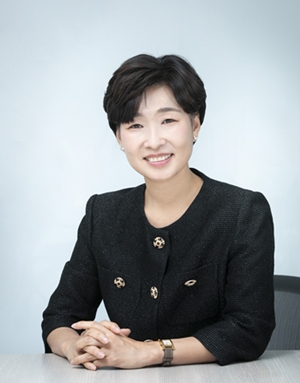
- Soyun Oh, Sales and Customers Lead, Organon Korea Organon Korea announced today that Soyun Oh, who currently heads the company’s Sales and Customer Department, has been appointed Country Lead for Organon Malaysia, effective January 1, 2025. With more than 26 years of experience in the industry, Oh has been with Organon since its inception in Korea and has successfully led the company's growth as its Sales and Customer Lead. As Sales and Customer Lead, Oh strengthened leadership in the chronic disease space, rapidly expanded the company's presence in women's health, stabilized the company's operations, and established a foundation for the company’s growth. Throughout her career, Oh has maximized revenue, expanded the portfolio, and driven multiple commercial successes through management strategies for key products including Atozet, Propecia, Singulair, Vytorin, and Cozaar. She has also demonstrated exceptional leadership and management skills in leading a sales organization that consists of over 150 people, contributing to the growth and development of the organization. In her new role as Country Lead of Organon Malaysia, Oh will leverage her wealth of experience and leadership capabilities to drive the company to new heights with the Malaysian team. Prior to Organon Korea, Mr. Oh held various leadership roles at MSD Korea, including Director of Primary Care (PC) and Director of Diversified Brands (DV) (Respiratory, Dermatology, Urology, etc.), with an initiative to drive the development and growth of the industry.
- Company
- SK Bioscience and Sanofi reinforce vaccine R&D partnership
- by Dec 24, 2024 06:22am
- SK Bioscience has expanded the scope of its vaccine development partnership with global pharmaceutical giant Sanofi. The goal is to develop a next-generation vaccine that is more advanced than the existing jointly developed pneumococcal protein-conjugate vaccine. The expanded agreement is more than 10 times larger in total value than the original agreement signed by the two companies a decade ago. When including the technology export agreement that SK Bioscience signed with Sanofi in 2018, SK Bioscience will receive more than KRW 160 billion from Sanofi. On the 23rd, SK Bioscience and Sanofi announced that they have entered into an agreement to jointly develop a next-generation pneumococcal protein-conjugate vaccine for infants, children, and adults that will provide broader protection than commercially available products. The agreement expands the scope of the companies' existing collaboration to develop and commercialize GBP410, a 21-valent pneumococcal protein conjugate vaccine candidate. In 2014, SK Bioscience signed an agreement with Sanofi to co-develop and commercialize a next-generation pneumococcal vaccine. Under the expanded agreement, the two companies plan to develop an innovative next-generation pneumococcal vaccine that is more advanced than the 21-valent vaccine. Under the new project, SK Bioscience will receive an upfront payment of EUR 50 million from Sanofi. Additional milestone payments will be made upon achievement of milestones until development is completed. The total value of the agreement is EUR 350 million (approximately USD 528.7 billion). R&D costs for the vaccine will be shared equally by the two companies. All costs related to commercialization will be borne by Sanofi. Upon commercialization, SK Bioscience will be responsible for sales of the vaccine in Korea, and Sanofi will be responsible for global sales. Revenue will be shared in a defined ratio based on product sales. Previously, SK Bioscience and Sanofi signed an agreement in 2014 to co-develop and market a next-generation pneumococcal vaccine with an upfront payment of USD 23 million (approximately KRW 25.6 billion). The total worth of the agreement, including upfront technology fees and milestones, was $45 million. The worth of the expanded agreement is more than 10 times larger in total value than the previous agreement signed by the two companies 10 years ago. In terms of down payment, this agreement is approximately 3 times larger than the previous agreement. This is the 10th year of R&D collaboration between the 2 companies and further strengthens their partnership. SK Bioscience-Sanofi R&D agreement (Source: FSS, SK Bioscience) In 2018, SK Bioscience also exported its cell culture-based high-efficiency influenza (flu) vaccine production platform to Sanofi. The contract is worth USD 155 million, including a USD 15 million upfront payment and a USD 20 million milestone payment upon completion of the technology transfer. The flu vaccine production platform agreement was terminated at the end of 2021 with Sanofi returning the rights. However, SK Bioscience has no obligation to return the upfront payment of USD 35 million (approximately KRW 40 billion). SK Bioscience had received all the payments for the GBP410 agreement signed in 2014. Including the payments from the Sanofi technology export agreement and this expansion agreement, SK Bioscience's total payments from Sanofi amount to KRW 165.5 billion. Last year, SK Bioscience and Sanofi also jointly invested in the expansion of manufacturing facilities for the commercialization of GBP410. In October 2023, SK Bioscience decided to invest KRW 81.5 billion to expand its vaccine production facility in Korea, the Andong L House. The investment amount, which will be decided by SK Bioscience's board of directors, will be combined with Sanofi's co-investment to build a new production facility of approximately 4,200㎡(1,300 pyung) at Andong L House. The expanded production facility will be utilized for the production of GBP410, which is being co-developed by the two companies. The facility is expected to be completed by May next year. SK바이오사이언스 안동L하우스 전경. (자료: SK바이오사이언스 GBP410 is currently in a Phase III clinical trial. GBP410 entered a multi-country Phase III clinical trial last week and started administration first subject. The GBP410 multinational Phase III study will compare the immunogenicity and safety of GBP410 to licensed pneumococcal vaccines after up to 4 doses in more than 7,700 infants, children, and adolescents aged 6 weeks to 17 years. SK Bioscience and Sanofi confirmed the efficacy and safety of GBP410 in a Phase II clinical trial in June last year. The study, which included an initial and booster dose of GBP410 and a control vaccine (Prevenar 13) in 140 children aged 12 to 15 months and 712 infants and toddlers aged 42 to 89 days, confirmed that the immunogenicity of GBP410 and the control vaccine was equivalent. In terms of safety, no serious vaccine-related adverse events were reported in the GBP410 arm. Equivalent immunogenicity and safety to the control vaccine were also demonstrated when coadministered with other recommended vaccines for infants and children, including tetanus, diphtheria, pertussis, polio, and Haemophilus influenza type B vaccines. GBP410 is the first vaccine candidate to enter Phase III clinical trials in infants and children to include more than 20 serotypes. With this, SK Bioscience believes GBP410 will contribute significantly to reducing the frequency of invasive pneumococcal disease (IPD) in infants and young children. “The agreement expansion between SK and Sanofi is based on the high success potential of the 21-valent vaccine, positive market outlook, and mutual trust,” said Jae-Yong Ahn, President and CEO of SK Bioscience. ”As a Korean vaccine and bio leader, we will do our best to secure vaccine sovereignty and the successful launch of a blockbuster vaccine.
- Company
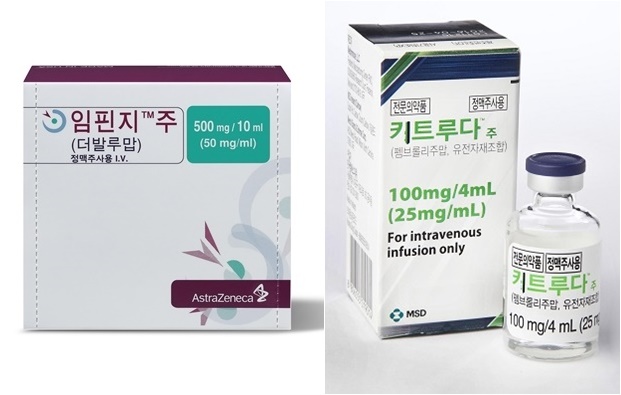
- Keytruda faces challenge from 'Steep Slope' CDRC
- by Moon, sung-ho Dec 24, 2024 06:21am
- The Cancer Disease Review Committee (CDRC) of the Health Insurance Review and Assessment Service (HIRA) is the first and most challenging hurdle in reviewing the insurance reimbursement of new anticancer drugs. A required step toward obtaining reimbursement listing, the committee has been nicknamed a "steep slope," giving many anticancer drugs a hard time. The industry faced significant challenges this year as well. New anticancer drugs from major global pharmaceuticals have been submitted for CDRC review but failed. Yet, some products passed the CDRC and successfully obtained reimbursement or expansion. Medical Time reported this year's review outcomes and next year's key news based on HIRA's CDRC documents and reporting from each pharmaceutical company. It was reported that the HIRA held nine CDRC meetings this year and discussed about the necessity of establishing reimbursement criteria for new anticancer drugs. After the meetings, the CDRC approved around 20 drugs that require establishing or expanding reimbursement criteria. If we were to pick a single treatment that gained attention from the pharmaceutical company and clinical practices, it would be immune checkpoint inhibitors. One of those immune checkpoint inhibitors is AstraZeneca's Imfinzi (durvalumab) and MSD Korea's Keytruda (pembrolizumab). These drugs have been submitted to establish reimbursement criteria for respective cancer types and have been followed to see if they will pass the CDRC review. At this year's CDRC meeting, Imfinzi passed, whereas Keytruda failed. Keytruda will need to submit again for next year's insurance reimbursement approval. In the case of Imfinzi, the drug was approved for requiring reimbursement criteria expansion for the treatment of bile duct cancer at the eighth CDRC meeting held in November. Additionally, Imfinzi's approval also led to the approval of Imjudo (tremelimumab), another treatment for bile duct cancer. Imfinzi will likely be considered for reimbursement for treating bile duct cancer and liver cancer at the Drug Reimbursement Evaluation Committee (DREC) review scheduled for next year. Despite its multiple attempts to obtain reimbursement expansion since last year, Keytruda has not succeeded. In the case of Keytruda, Keytruda has been submitted for reimbursement of almost 17 types of cancer. However, its attempt is stuck at the CDRC due to potentially involving substantial national health insurance finance. As of December 2024, Keytruda was approved for 33 indications in 17 cancer types. It has been submitted to the CDRC for insurance reimbursement of 17 indications. The company has applied for reimbursement of 13 indications. Then, it has added four additional indications, including ▲Gastric cancer with MSI-H ▲Bile duct cancer with MSI-H ▲HER2-positive gastric cancer ▲HER2-negative gastric cancer. In October, MSD Korea submitted a new proposal for financial contributions to expand reimbursement criteria for 17 indications, including gastric cancer. The company has made significant efforts this year to establish these reimbursement criteria. However, the company received a decision of 'reconsideration' for gastric cancer at the year's last CDRC meeting despite suggesting additional financial contributions. As a result, none of the 17 indications passed the CDRC hurdle this year. It has been reported that the members of CDRC were not satisfied with the additional financial sharing proposal presented by MSD Korea. The results indicate that there were more opposing opinions than supportive ones. "Although both are immune checkpoint inhibitors, the situations of Imfinzi and Keytruda are different. Imfinzi focuses on biliary tract cancer and liver cancer, while Keytruda is pushing for reimbursement expansion for 17 cancer types," a university hospital oncology professor and committee member stated. "As a result, Imfinzi's company has proposed a satisfactory financial contribution proposal, but it is challenging for Keytruda's company to present a corresponding plan due to its wide range of indications." "In other words, Imfinzi is focused on biliary tract cancer and liver cancer, where reimbursement expansion is urgently needed, and it has accepted significant financial contribution," professor added. "However, applying this standard to Keytruda, which has 17 indications, won't be easy. The last CDRC meeting only reviewed Keytruda for gastric cancer, and it seems there were more negative opinions about the financial contribution proposal." Additionally, the focus of CDRC discussions in the second half of this year has been on new drugs for blood cancers. This change is related to the recent introduction of bispecific antibody-based therapies for blood cancer in the Korean market, with their active pursuit for committee approval starting at the end of this year. Bispecific antibody drugs indicated for treating blood cancers include ▲Roche's Lunsumio (mosunetuzumab), Columvi (glofitamab) ▲Janssen's Rybrevant (amivantamab), Tecvayli (teclistamab), Talvey (talquetamab) ▲AbbVie's Epkinly (epcoritamab) ▲Pfizer's Elrexfio (elranatamab). Seven drugs received approval in South Korea. Among these, Roche's Columvi, AbbVie's Epkinly, and Janssen's Tecvayli have been submitted for the DREC review. Columvi and Epkinly are treatments for Diffuse Large B-Cell Lymphoma (DLBCL), a type of blood cancer. Tecvayli is a treatment for multiple myeloma. These drugs have been submitted to the DREC review but failed. They all received 'unestablished reimbursement criteria' decision and were not given 'reconsideration.' Consequently, the companies accepted the review result as equivalent to failure. In the case of Columvi, Roche Korea pushed to pass the CDRC this year but failed to establish reimbursement criteria at the CDRC meetings held in July and December. Even the patient organizations have joined the pursuit of requesting the establishment of reimbursement criteria but failed, delaying another attempt next year. Epkinly, which has the same indication as Columvi, was reviewed during this year's final CDRC meeting. However, the decision not to establish reimbursement criteria indicated a challenging reevaluation process ahead. This is the current landscape of bispecific antibody-based therapies held by global pharmaceutical companies. These therapies will become a key focus in next year's CDRC discussions. The discussions on blood cancer treatments may become a key issue depending on the results of next year's meetings. There are increasing demands from clinical fields for the reimbursement of these therapies. Additionally, as discussions surrounding reimbursement for blood cancer treatments intensify, there is an increasing demand for establishing a dedicated discussion body led by the Korean Society of Hematology to address these issues with the HIRA. In response to the growing prevalence of high-cost blood cancer treatments, HIRA expanded the CDRC this year, adding two hematology experts to the panel, now comprising nine members. This move is a response to the rapid introduction of innovative blood cancer therapies by global pharmaceutical companies and the increasing demand for their reimbursement. By incorporating more expert opinions, HIRA aims to enhance discussions surrounding the reimbursement of blood cancer therapies, ensuring that the concerns of clinicians specializing in hematology are better represented. However, clinical practices responsible for treating blood cancer are unsatisfied with the HIRA's decisions. "Two additional blood cancer experts were indeed appointed during the reorganization of the 10th CDRC members. Seven blood cancer experts are on the committee, including one from HIRA, while the remaining six are from university hospitals," Seok Jin Kim, Chair of the Korean Society of Hematology and a hematology-oncology specialist at Samsung Medical Center, stated. Professor Kim pointed out that "Over the past two years, 36 new blood cancer therapies have undergone review, compared to 58 new solid tumor therapies discussed during the same period. Out of the 43 members of the CDRC, only 5.5 members can be considered experts in blood cancer. This composition may not be adequate for evaluating blood cancer cases properly."
