
- LOGIN
- MemberShip
- 2026-07-22 21:22:07
- Policy
- Companies can apply for multiple clinical protocols at once
- by Lee, Hye-Kyung May 24, 2024 05:48am
- Pharmaceutical companies can now apply for multiple clinical trial at the same time for a single investigational drug that is being approved for the first time. The measure is presumed to have been implemented to accelerate global entry of domestic pharmaceutical companies. The Ministry of Food and Drug Safety has upgraded its computer system that manages same-ingredient investigational drugs to allow companies to apply for multiple clinical trial protocols at the same time. According to the pharmaceutical industry on the 23rd, the MFDS has prepared a follow-up measure to the 16th Task of the 'Food and Drug Regulatory Innovation 3.0' plan it had announced on May 2nd. Until now, every investigational new drugs was managed under one approval number for systematic management and to facilitate batch changes of quality data, so companies had to receive approval for one initial clinical trial protocol, then additionally apply for changes to add protocols. However, there has been industry opinion that it is difficult to conduct clinical trials swiftly in Korea during multinational clinical trials, as the company is required to add a protocol again if it seeks to target a different disease after receiving approval for the first protocol. Regarding this, MFDS Director Kyung-Seung Shin, Director of the Clinical Trials Policy Division at MFDS said, "In the case of clinical trials, multiple protocols are submitted for a single drug candidate to test it on multiple diseases, and the successful outcome of some of the trials lead to the drug’s final approval.” Shin explained, "It has been pointed out that the formulation, content, and route of administration cannot be clearly specified because the MFDS manages each drug candidate under one approval number. From now on, it will be possible to apply for a single clinical trial that contains various trial protocols at once for a same-ingredient drug” The MFDS expects the simultaneous application for clinical trials for a same-ingredient drug to accelerate the domestic industry's initiation of global clinical trials. However, even though companies can apply for multiple protocols of a first-approved investigational new drug at the same time, companies would need to submit the data and fees for each protocol approval application separately. However, for quality changes, the company would need to separately apply for approval of the change in each protocol. This means that quality changes cannot be applied unilaterally to all trial protocols. Also, companies can apply for additional protocols (modifications) after receiving initial protocol approval as in the past.
- Policy
- New drug Tibsovo is approved in Korea
- by Lee, Hye-Kyung May 23, 2024 05:49am
- The Ministry of Food and Drug Safety (MFDS) announced that it has approved the orphan drug Tibsovo Tab (ivosidenib)' that is being imported by Servier Korea on the 22nd. The drug is indicated for use in combination with azacitidine for newly-diagnosed acute myeloid leukemia (AML) with a susceptible isocitrate dehydrogenase-1 (IDH1) mutation in adults aged ≥75 years, or who have comorbidities that preclude the use of intensive induction chemotherapy, or as monotherapy for locally advanced or metastatic cholangiocarcinoma in previously treated adults with IDH1 mutation. IDH1(Isocitrate Dehydrogenase1) mutation produces an abnormally high amount of a metabolite (R)-2-hydroxyglutarate (2HG) that promotes the growth and survival of cancer cells. By inhibiting the mutated IDH1 enzyme and reducing the production of the 2-HG, Tibsovo Tab inhibits the proliferation of tumor cells and prompts apoptosis. The MFDS said it expects the drug to provide new treatment opportunities for patients with acute myeloid leukemia or cholangiocarcinoma who are positive for IDH1 mutations. The MFDS said that it will continue being committed to the rapid provision of safe and effective treatment for the Korean people based on its expertise in regulatory science, thereby expanding treatment opportunities for patients with rare and intractable diseases.
- Policy
- AZ, novel PNH drug 'Voydeya' may soon receive KOR approval
- by Lee, Hye-Kyung May 23, 2024 05:48am
- First-in-class oral paroxysmal nocturnal hemoglobinuria (PNH) treatment will soon be approved in South Korea. According to the pharmaceutical industry on the 23rd, the Ministry of Food and Drug Safety (MFDS) completed the safety and efficacy review of AstraZeneca Korea’s 'Voydeya (danicopan)' for approval. Completing the safety and efficacy review usually indicates that the item will be approved soon. Voydeya was designated as an Orphan Drug in South Korea last year and was also designated as a candidate for GIFT for approval review. In April, the U.S. FDA granted approval for Voydeya as an add-on to the conventional drugs Ultomiris and Soliris. Utomiris and Soliris are among AstraZeneca's bestsellers, and with Voydeya's approval, the company further strengthened its position in the PNH treatment market. 'Fabhalta (iptacopan)', Novartis' oral factor B inhibitor, received FDA approval in December. It is a direct competitor to Voydeya. Voydeya is the first oral factor D inhibitor and targets PNH patients who experience severe hemolysis (red blood cell destruction) despite previous treatment with other drugs. These patients are about 10-20% of the total PNH patients. PNH is a rare, severe blood disorder characterized by intravascular hemolysis (red blood cell destruction within blood vessels) and activation of white blood cells and platelets, which can lead to organ damage and early death. Treatments blocking C5 protein to immediately, completely, and continuously inhibit terminal complement can reduce symptoms, complications, and improve patient survival rates. However, about 10-20% of PNH patients receiving C5 inhibitor therapy experience clinically significant extravascular hemolysis, leading to persistent anemia symptoms and possibly requiring blood transfusions. Before the FDA approval, Voydea received the first-in-class approval from Japan’s MHLW. Voydea's ALPHA clinical trial results showed that it met primary endpoints, including hemoglobin changes from baseline to week 12, and secondary endpoints, such as blood transfusion avoidance and changes in the Functional Assessment of Chronic Illness Therapy-Fatigue Scale (FACIT-Fatigue) score for chronic disease treatment function assessment.
- Policy
- 4 Pharmas make bid into low-dose statin combo drug mkt
- by Lee, Tak-Sun May 22, 2024 05:47am
- The popularity of low-dose statin continues. Due to its lower risk of side effects than high-dose statins and a higher cholesterol-lowering effect when combined with ezetimibe than as monotherapy, domestic pharmaceutical companies have been busy launching low-dose statin combination products one after another. According to industry sources on the 21st, 4 hyperlipidemia combination drugs that contain low-dose atorvastatin (5 mg) and ezetimibe will be listed for reimbursement in June. The atorvastatin 5 mg and ezetimibe combination was first introduced by Yuhan Corp in August last year. The drug, AtovamibeTab 10/5mg, was listed at an insurance ceiling price of KRW 637. Among the 4 items that will soon be reimbursed, Daewon Pharmaceutical's ‘Litozet 10/5mg’ and Dong Kook Pharmaceutical's ‘Atovanduo 10/5mg’ met two of the preferential pricing criteria set for generic drugs and will be listed at the same price as Yuhan, at KRW 637. Daewoong Pharmaceutical's Litorvazet 10/5mg will be listed at KRW 636 because the company lowered the price by KRW 1, while Boryung’s L50 10/5mg will be priced at KRW 541 because it met only one of the criteria. L50 10/5mg is being contract manufactured by Daewon Pharmaceutical. The analysis is that low-dose atorvastatin has a lower risk of side effects such as diabetes and myopathy than the existing high-dose products. When combined with ezetimibe, it reduces LDL cholesterol levels by a greater degree than statin alone. Most pharmaceutical companies develop combination drugs with this concept. Low-dose (2.5 mg) combination products that use rosuvastatin have already shown success in the market. Hanmi Pharmaceutical's Rosuzet 10/2.5 mg is making blockbuster success. Since then, 8 other generics have been approved for reimbursement, growing the market size. This time, the release of 4 more atorvastatin low-dose combination drugs is expected to further expand the market size with the existing Yuhan product. As such, attention is focused on how large the market for low-dose statin combination products will grow.
- Policy
- Forxiga to maintain upper limit price until Korean mkt exit
- by Lee, Tak-Sun May 22, 2024 05:47am
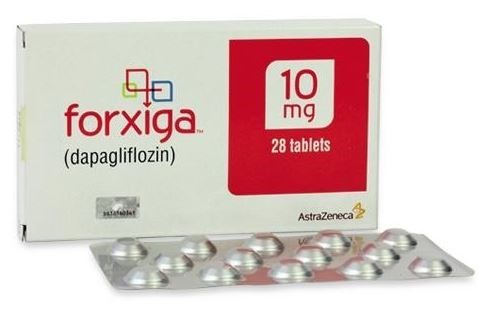
- AstraZeneca Forxiga (dapagliflozin propanediol hydrate), an SGLT-2 class of diabetes treatment, will maintain its upper limit price until it leaves the South Korean market. It appears that AstraZeneca’s strategy for defending the upper limit price through the court’s suspension of execution has worked. The price-value agreement (PVA) negotiations, which were the last variable to determine the drug’s listing price, will likely end without any changes. According to industry sources on the 21st, Forxiga tab 10 mg will be deleted from the reimbursement listing as of June 1st as the company voluntarily withdrew approval on May 25th. A grace period is set until December 1st. Until this date, the drug can be reimbursed. When Forxiga tab is deleted from the reimbursement listing, the upper limit price will still be 734 won. The price of Forxiga tab was set to decrease by 30% from 734 won due to a mandatory adjustment following the generics listing. However, after the court accepted the company’s request for execution suspension, the upper limit price was maintained. At the end of last year, AstraZeneca officially announced the withdrawal of Forxiga tab from the Korean market. The drug’s withdrawal is set for the second half of this year. At the time of approval cancellation on April 25th, the Forxiga indications in chronic heart failure and chronic kidney disease, excluding diabetes, were transferred to HK inno.N’s generic ‘Dapa N tab.’ As reimbursement will be canceled due to approval cancellation, the drug’s upper limit price was expected to be maintained until it’s exit from the Korean market. However, the last remaining variable was the PVA negotiations with the National Health Insurance Service (NHIS). The company re-entered the negotiations after failing to reach an agreement in the initial negotiation, with the deadline set for the end of this month. If the company had agreed to decrease the upper limit price during the PVA negotiations, they could have reimbursement deleted at a lower price. However, AstraZeneca did not anticipate this situation. The company was hoping to maintain the drug’s upper limit price, considering the marketing of the drug in other countries that reference the Korean drug price. AstraZeneca received results as strategized. The PVA negotiations will likely conclude without changes to the upper limit price of the drug. The company may enter a separate contract with the government during the grace period for reimbursement, but that is not relevant now. The company has successfully maintained the drug’s upper limit price.
- Policy
- NHIS completes pricing negotiations for Vemlidy, Brukinsa
- by Lee, Tak-Sun May 20, 2024 05:41am
- Negotiations between the National Health Insurance Service (NHIS) and pharmaceutical companies have been completed for 5 morning sickness drugs, hepatitis B drug Vemlidy Tab (tenofovir alafenamide hemifumarate), and Chinese company BeiGene Korea's new cancer drug Brukinsa Cap (zanubrutinib). The 5 morning sickness drugs underwent new drug pricing negotiations, Vemlidy underwent the price-volume agreement negotiations, and Brukinsa underwent a negotiation to expand its scope of use. According to the industry on the 17th, the NHIS recently updated its list of drugs completed negotiations and announced the completion of negotiations of the drugs listed above. The 5 morning sickness drugs that have completed negotiations are Hyundai Pharm’s ‘Diclectin Enteric Coated Tab,’ Boryung Biopharma's ‘Easy Morning Enteric Coated Tab,’ Dong Kook Pharmaceutical's ‘Mommyrectin Enteric Coated Tab,’ Shin Poong Pharm’s ‘Dinerzia Enteric Coated Tab,’ and Hanwha Pharma’s ‘Prelectin Enteric Coated Tab.’ These drugs are pyridoxine hydrochloride and doxylamine succinate combinations and are the only drugs indicated to treat nausea and vomiting during pregnancy in women who do not respond to conservative management in Korea. The government has been pushing for health insurance coverage of these items since last year as part of its policy to support pregnant women. The NHIS has been negotiating drug prices since mid-March and recently reached an agreement with the 5 pharmaceutical companies. Vemlidy has reportedly completed negotiations under ‘Type B’ of the Price-Volume Agreement system. The drug underwent the same type of negotiations last year, which resulted in a 4.7% reduction in its insurance cap price As the most-used drug in the hepatitis B treatment market, Vemlidy’s insurance claims continue to grow. Last year's prescription sales amounted to KRW 61.9 billion based on UBIST, up 26% YoY (from KRW 49.2 billion the previous year). PVA Type B is applied to drugs ▲whose insurance price had been adjusted under ‘Type A,’ or ▲that were listed for over 4 years without undergoing pricing adjustments under Type A and whose claims amount increased over 60% from the previous year; or ▲increased by 10% but the amount exceeds 5 billion. Vemlidy was found to have satisfied the conditions. Brukinsa was approved in May last year as monotherapy for the treatment of adult patients with Waldenström’s macroglobulinemia (WM) who have received at least one prior therapy. In March, the Health Insurance Review and Assessment Service's Drug Reimbursement Evaluation Committee recognized the adequacy of expanding reimbursement for Brukinsa as treatment of mantle cell lymphoma (MCL) and chronic lymphocytic leukemia (CLL) or small lymphocytic lymphoma (SLL) and has been in negotiations with the agency ever since. The items that successfully completed negotiations will the NHIS will reported to the Health Insurance Policy Deliberation Committee of the Ministry of Health and Welfare next week for reimbursement listing.
- Policy
- Erwinase price increases… Imfinzi renews RSA
- by Lee, Tak-Sun May 20, 2024 05:41am
- Immunotherapy drug for cancer, Imfinzi inj The price of Erwinase Inj (L-asparaginase), used to treat patients with acute lymphoblastic leukemia (ALL), is expected to increase. Additionally, Imfinzi, an immunotherapy drug for cancer, also succeeded in renegotiating risk-sharing agreements (RSA). Rhopressa, a treatment for open-angle glaucoma and intraocular pressure, has entered negotiations with the National Health Insurance Service (NHIS). According to industry sources on the 16th, the NHIS posted these negotiation results and schedules. Clinigen’s Erwinase inj was first listed in August 2019. The listing took 12 years and 5 months to be granted after the approval in South Korea. It can be covered by reimbursement when used in combination with other chemotherapy agents in patients with acute lymphoblastic leukemia (ALL) hypersensitive to Escherichia coli-derived asparaginase. At the time of reimbursement listing, the price of Erwinase was negotiated for KRW 520,000 per bottle, which was lower than the lowest price among A7 countries (KRW 702,564 (UK)). Erwinase Inj has been in negotiations with the NHIS regarding drug price increases through the adjustment application, and it recently met in agreement. The price increase has not been disclosed. In March, Erwinase Inj was granted for the changes of administration requirements from Grade 3 to Grade 2 from the Cancer Disease Review Committee of the Health Insurance Review and Assessment Service (HIRA). AstraZeneca’s Imfinzi (Durvalumab) had an RSA agreement when it was reimbursement listed in April 2020. The contract ended in March. Despite of the contract ending, it continued negotiations with the NHIS and succeeded recently in negotiations. Imfinzi is covered by reimbursement for the treatment of patients with unresectable non-small cell lung cancer (NSCLC) who have not progressed after platinum-based concurrent chemoradiotherapy (CCRT). It is pursuing reimbursement expansion for bile duct cancer. The NHIS also disclosed pharmaceuticals under negotiations. As reported, Novartis' Ilaris injection (canakinumab) initiated negotiations in May. Ilaris passed the DREC review of the HIRA through real-world evidence (RWE) submission as a pharmacoeconomic evaluation exemption drug, following the principle of post-listing assessment. It is subject to a total cap on the type of reimbursement with RSA. Santen's glaucoma treatment, Rhopressa Ophthalmic Soln, has also entered negotiations. In April, it received conditional approval from DREC for reimbursement if priced below the evaluated amount. Subsequently, the pharmaceutical company has accepted the evaluated amount set by the DREC. Given that most pharmaceutical companies tend to take the pricing set during this period as the basis for price negotiation exemption, it is anticipated that negotiations with the HIRA will focus on expected reimbursement amounts.
- Policy
- Daewoong develops 'Olumiant' generic…starts clinical trials
- by Lee, Hye-Kyung May 17, 2024 05:47am
- Daewoong Pharmaceutical develops a generic version of Lily Korea’s JAK inhibitor Daewoong Pharmaceutical has started developing product to compete against Lily Korea’s JAK inhibitor 'Olumiant (baricitinib).' Olumiant was approved by the Ministry of Food and Drug Safety (MFDS) in December 2017. It is used for treating adult patients with moderate-to-severe rheumatoid arthritis who do not respond well to disease-modifying antirheumatic drugs (DMARDs) and have no tolerability. The patents for Olumiant 2/4 mg is registered until July 2032. Therefore, pharmaceutical companies in South Korea can only launch their generics after avoiding patent infringement. On May 13, the MFDS approved clinical trials for Daewoong’s 'DWJ1607' and 'DWC202401' to conduct bioequivalence testing. DWJ1607 is targeting rheumatoid arthritis. The trial included 'baricitinib' as primary and secondary endpoints for evaluating the product’s efficacy. The trial is likely for the development of a generic version of Olumiant. Daewoong will conduct the DWJ1607 clinical trial, which will involve 44 adults aged 18 to 65 and 65 and over at H Plus Yangji Hospital. Olumiant, an oral medication taken once daily, improves convenience for patients who are averse to injections and those with rheumatoid arthritis who find it difficult to visit hospitals frequently. After being approved in 2017, Olumiant has been covered by health insurance as a secondary treatment equivalent to the bioequivalent agent since November 2018. In particular, at the time of approval, it only had indications for rheumatoid arthritis. In May 2021, it additionally secured efficacy and effectiveness for atopic dermatitis and in March of last year for severe alopecia areata in adults aged 18 and older. Before the Olumiant approval, there have been no other treatments with an indication for alopecia areata. Olumiant’s post-marketing survey (PMS) period has been adjusted to 6 years plus 35 months due to expansion in additional indication. As a result, PMS will end on November 10, 2026. Meanwhile, Pfizer’s 'Xeljanz (tofacitinib),' Lily’s 'Olumiant (baricitinib),' AbbVie’s 'Rinvoq (upadacitinib)' and Pfizer’s 'Cibinqo (abrocitinib)' are competing in the domestic market for JAK. According to a medical market research firm UBIST, last year’s outpatient prescription sales for JAK were KRW 13.7 billion for Olumiant, KRW 13.3 billion for Xeljanz, and KRW 12.4 billion for Rinvoq, with Olumiant having the highest sales.
- Policy
- Multiple sclerosis drug Ocrevusis approved in Korea
- by Lee, Hye-Kyung May 14, 2024 05:48am
- The Ministry of Food and Drug Safety (Minister: Yu-Kyung Oh) announced on the 13th that it has approved Roche Korea’s orphan drug Ocrevus (ocrelizumab) for multiple sclerosis (MS) in Korea. Multiple sclerosis is a chronic condition that develops in the central nervous system, which consists of the brain, spinal cord, and optic nerves and is an autoimmune disease in which the patient's immune system attacks the body’s healthy cells and tissues. Ocrevus Inj is a recombinant humanized monoclonal antibody (mAb, IgG1) that selectively targets CD20-expressing B cells, reducing the number and function of B cells to inhibit MS. The initial dose is 600 mg divided into 2 intravenous infusions, followed by a single 600 mg intravenous infusion every 6 months. Ocrevus was approved by the US FDA in March 2017 for the treatment of adult patients with relapsing or primary progressive forms of multiple sclerosis. At the time of its initial approval, Ocrevus was approved for twice-yearly dosing following 2 two-week induction therapies. The drug was then additionally approved in December 2020 to reduce the dosing time to 2 hours from 3.5 hours. Ocrevus is the top-selling drug for multiple sclerosis, posting sales of USD 6.27 billion (KRW 8 trillion) in 2020. The MFDS said, "We expect this drug to provide a new treatment opportunity for patients with relapsing-remitting and primary progressive MS. We will continue to do our best to ensure that treatments with sufficiently verified safety and effect are promptly supplied based on our regulatory science expertise.”
- Policy
- BIO KOREA 2024 concludes a success
- by Lee, Hye-Kyung May 14, 2024 05:48am
- BIO KOREA 2024, cohosted by the Korea Health Industry Development Institute (President: Soon-do Cha) and the Provincial Administration of Chungcheongbuk-do (Governer: Young-hwan Kim), concluded successfully on the 10th. BIO KOREA 2024, which celebrates its 19th anniversary this year, was held for 3 days at COEX in Seoul under the theme of 'The Future of Biotechnology Innovation and Global Collaboration. Pic of BIO KOREA 2024 event At the event, participants shared the trends and prospects of innovative technologies that have recently attracted attention in the biohealth industry. The event also provided opportunities for global companies, institutions, researchers, and investors needed for the successful development of these technologies to forge business partnerships. 55 countries, 707 companies, and over 30,000 people attended the event. In a congratulatory speech at the opening ceremony, Minister of Health and Welfare Kyoo-HongChosaid, "We will continue to expand R&D support, create a mega fund, support exports, and foster specialized talent for the goal of making the leap and becoming a global biohealth hub. We expect BIO KOREA to spark cooperation for open innovation for Korean innovative businesses with innovative technologies of the future generation to expand their presence in the global market.” The event included business partnering, investment fair, exhibition, and conference programs. In the business partnering program, which had been expanded due to increased demand for meetings following the participation of leading domestic and international biohealth companies, more than 1,800 meetings were held over 3 days to explore various business opportunities such as finding new partners, discussing technology cooperation and joint research, technology transfer, and investment. The number of overseas participants attending to discover excellent domestic technologies increased by about 25% from the previous year, and the number of meetings held increased by about 36% in the same period. The number of overseas companies participating in the exhibition increased by 37% , and 81 local companies from 10 countries participated in the National Pavilion and actively discussed business opportunities with domestic companies. The conference featured 11 sessions that introduced and shared the latest advances and technology trends in the biohealth industry, including next-generation drug discovery platforms, diabetes and obesity treatments, microbiomes, and global open innovation. The conference hall was filled with attendees showing great interest in the special sessions on next-generation drug discovery platforms, diabetes and obesity drugs that are gaining explosive interest and demand, and AI new drug development. KHIDI President Soon-Do Cha remarked, “Thanks to the interest and active participation of domestic and international companies, organizations, and stakeholders, the BIO KOREA 2024 has concluded smoothly. We hope that BIO KOREA will continue to serve as the largest technology and business exchange venue in Korea where Korean companies can forge global partnerships and create new business opportunities."
