
- LOGIN
- MemberShip
- 2026-07-22 19:18:08
- Policy
- Was AZ's plan to maintain Forxiga’s drug price all along?
- by Lee, Tak-Sun Jul 19, 2024 05:47am
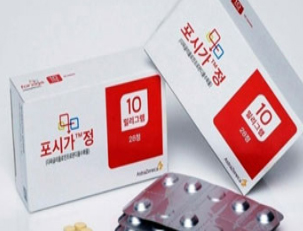
- With the market withdrawal for the diabetes drug ‘Forxiga Tab,' which retained its insurance price ceiling, already decided upon, AstraZeneca’s decision to withdraw its relevant lawsuit has been gaining much attention. AstraZeneca had filed a lawsuit against the ex-officio reduction in the price of Forxiga and Xigduo that was imposed on May 1 last year upon the emergence of their generics. The lawsuit enabled the company to retain Forxiga’s insurance price. On the 17th, the Ministry of Health and Welfare announced that AstraZeneca had withdrawn its lawsuit filed to cancel the reduction in the insurance ceiling price of Forxiga and Xigduo, ending the lawsuit and lifting the suspension of execution previously made on the price cut for Xigduo. As a result, the price of Xigduo XR 10/1000mg will be reduced from KRW 717 to KRW 512, and Xigduo XR 10/500mg will be reduced from KRW 717 to KRW 473. Dapagliflozin is a diabetes combination drug that contains dapagliflozin and metformin. The price of the single-agent dapagliflozin Forxiga Tab will not be reduced because Forxiga Tab has already been removed from the reimbursement list. Fosiga was removed from the reimbursement list on June 1, following the withdrawal of its domestic marketing authorization on April 25. With its removal, its final insurance ceiling price remains the same at KRW 734. AstraZeneca has made tireless efforts to retain this KRW 734 price. In April last year, when the Ministry of Health and Welfare announced an ex-officio adjustment to its price to KRW 514 due to the introduction of generics, AstraZeneca immediately filed a lawsuit to cancel and suspend the administrative disposition. As the first trial dragged on, the suspension of execution remained in effect. Eventually, the company was able to maintain its KRW 734 price until it was removed from the reimbursement list. Industry officials believe that AstraZeneca defended the price cut in order to sell Forxiga at a higher price in other countries that reference Korea’s drug prices. However, Forxiga almost underwent price cuts not just from ex-officio adjustments but due to post-marketing control measures - the Price-Volume Agreement negotiations. The National Health Insurance Service and AstraZeneca had been in PVA negotiations before June when Forxiga was removed from the reimbursement list. After the first round of negotiations broke down, the parties renegotiated until the end of May, when they decided to leave the price as is without changing the insurance ceiling price. This has led to speculation in the industry that the Ministry of Health and Welfare and AstraZeneca had some sort of agreement within. AstraZeneca would have had to make a counterpayment for the government to allow Forxiga to withdraw from the market at its original price. The news of the litigation withdrawal came a month after Forxiga’s removal from the reimbursement list was finalized. While the price cut of Xigduo was inevitable, AstraZeneca still chose to drop the lawsuit. AstraZeneca could have delayed the price reduction of Xigduo by waiting for the outcome of the first lawsuit. This has led some to speculate that AstraZeneca's withdrawal of the lawsuit was a trade-off for Forxiga’s PVA negotiations. There are also rumors that the Ministry of Health and Welfare was very dissatisfied with AstraZeneca filing the lawsuit. In any case, the withdrawal of the lawsuit reinforces the idea that AstraZeneca's original goal was to maintain the cap on Forxiga, not Xigduo. Unlike Forxiga, Xigduo will continue to be sold in the domestic market. In January, AstraZeneca Korea signed a co-marketing agreement with HK Inno.N for Xigduo. However, some distribution industry insiders have speculated that the company may be abandoning Xigduo as well because of the lack of notification on returns and settlements following the price reduction. However, it seems unlikely that the company would abruptly abandon Xigduo, given how Forxiga has been in the process of market withdrawal for half a year. Last year, Xigduo generated KRW 47.2 billion in outpatient prescriptions, according to UBIST.
- Policy
- MOHW imposes 'CSO Reporting & Training' duty to copromoters
- by Lee, Jeong-Hwan Jul 19, 2024 05:47am
- The government announced on the 18th an amendment to the Enforcement Rules of the Pharmaceutical Affairs Act that imposes the same level of local government reporting and employee training obligations on pharmaceutical companies that have signed co-promotion agreements with drug companies that have obtained the official marketing authorization. Initially, the government considered adjusting the reporting and training obligations for co-marketing pharmaceutical companies to a reasonable level in the amendment to the Enforcement Rules, but ultimately decided it would be difficult to exempt co-marketing pharmaceutical companies from the CSO reporting and education obligations in a subordinate law without changing the parent law, the Pharmaceutical Affairs Act. In order for CSOs to register their business with local governments and perform the contract pharmaceutical sales and promotion services for pharmaceutical companies, the CSO company’s representatives and employees must complete 24 hours of new training. In addition, the employees need to receive 8 hours of refresher training every year from the date of completing the initial training. The training covers order in the distribution of medicines, writing economic benefits and expenditure reports, and CSO compliance. If CSOs file false or fraudulent business reports to the local governments, they will be subject to closure, and if they fail to file a change report or file a false or fraudulent change report, they will be subject to a 3-day business suspension for the first offense, 7 days for the second offense, 15 days for the third offense, and 1 month for the fourth offense. If a CSO engages in drug sales promotion activities using employees who have not received mandatory training, the CSO will be suspended for 15 days for the first offense, 1 month for the second offense, 3 months for the third offense, and 6 months for the fourth offense. On the same day, the Ministry of Health and Welfare made a pre-announcement of legislation on the partial amendments to the Enforcement Rules of the Pharmaceutical Affairs Act and will collect opinions until the 27th. The amendment to the enforcement rules is being promoted to set detailed regulations for the revised Pharmaceutical Affairs Act, which will introduce a CSO reporting system and impose training obligations. The revised Pharmaceutical Affairs Act is scheduled to take effect on October 19th. First, a procedure for reporting new, changes, closure, suspension, and succession of CSO status has been established. CSOs are required to complete 24 hours of new training when registering with local governments to fulfill the notification criteria. Requirements for CSO training and standards for administrative penalties were also established. CSOs are required to receive 24 hours of initial training on the order of drug sales order and 8 hours of refresher training every year starting from the year following the date of initial training completion. The contents of the CSO consignment contract and notification of re-consignment were also stipulated. The amended rule specifies the contents that should be included in the CSO contract, such as the name of the consigned drug, the commission rate for each item, and the matters that require compliance of the consignee and requires written notification to the CSO supplier within 30 days of re-consigning its sales promotion business. The scope of allowable economic benefits has also been clarified. The amended regulation clarified the scope of business activities allowed by drug promoters, such as product presentations, and improved some deficiencies such as by specifying the food and beverage standards that can be provided at product presentations conducted by CSOs at individual nursing institutions. Specifically, in the product presentation category, CSOs are allowed to provide economic benefits within the scope of the law. The previous food and beverage standards at individual care organizations that allowed "food and beverages of KRW 100,000 or less per day (limited to 4 times per month)" were clarified to "food and beverages (excluding taxes and service charges) of KRW 100,000 or less per day, limited to 4 times per month. Meanwhile, from this year, CSOs will also be subject to submit and disclose economic benefit expenditure reports. Active CSOs are required to submit last year's expenditure report to the Health Insurance Review and Assessment Service by the 20th of this month. The implementation of this reporting system is expected to be an opportunity to identify the current status of CSOs in Korea.
- Policy
- MSD begins cervical cancer trials for its drug candidate
- by Lee, Hye-Kyung Jul 18, 2024 05:48am
- The phase 3 clinical trials for MSD’s new drug candidate 'MK-2870 (sacituzumab tirumotecan)' for the second-line treatment of patients with cervical cancer are being conducted in South Korea. This drug is an antibody-drug conjugate (ADC) currently being studied in multi-national clinical trials for various cancer types, including cervical cancer. On July 16th, the Ministry of Food and Drug Safety (MFDS) approved 'The Phase 3 Randomized, Active-controlled, Open-label, Multicenter Study to Compare the Efficacy and Safety of MK-2870 Monotherapy versus Treatment of Physician's Choice as Second-line Treatment for Participants with Recurrent or Metastatic Cervical Cancer (TroFuse-020/GOG-3101/ENGOT-cx20).' MK-2870 is an ADC for which MSD acquired global rights, excluding China, from Kelun-Biotech. The deal size for this acquisition was US$1.41 billion. It targets TROP-2 (tumor-associated calcium signal transducer 2), which is overexpressed in over 80% of triple-negative breast cancer patients. TROP-2 is associated with growth, transformation, regeneration, and proliferation processes. Notably, in South Korea, 11 clinical trials have been approved, including those recently approved for the treatment of cervical cancer. Phase 3 clinical trials for MK-2870 have been approved since February. The clinical trials are recruiting ▲Patients with endometrial cancer who have previously received platinum-based chemotherapy and immunotherapy ▲Patients with advanced or metastatic non-squamous NSCLC who have previously been treated and have EGFR mutations or other genomic alterations, and ▲Patients with advanced or metastatic esophageal cancer (esophageal adenocarcinoma and esophagogastric junction adenocarcinoma) in third-line or later treatment settings. Since the patent of MSD's leading product, 'Keytruda,' used in cancer immunotherapy, will expire in 2028, MSD is focusing on developing ADC treatments that can substitute for Keytruda. In South Korea, clinical trials for drugs in combination with Keytruda were approved. For instance, the following clinical trials for monotherapies or treatments in combination with Keytruda have been approved: ▲Participants with resectable stage II-IIIB (N2) NSCLC who underwent surgery after platinum-based doublet chemotherapy plus Keytruda adjuvant therapy but did not achieve pathologic complete response (pCR) ▲Participants with EGFR mutation-positive advanced non-squamous NSCLC progressing on prior EGFR tyrosine kinase inhibitor therapy ▲First-line treatment in metastatic NSCLC patients with PD-L1 TPS ≥ 50% using Keytruda combination therapy, and ▲Monotherapy or Keytruda combination therapy in participants with HR+/HER2- inoperable locally advanced or metastatic breast cancer. Meanwhile, global pharmaceutical companies have developed ADCs that have demonstrated effects in various breast cancer types, including triple-negative breast cancer and hormone-positive·HER2-negative breast cancer. ADC is a new anticancer drug that combines an antibody targeting a specific antigen on cancer cell surfaces with a cell death-inducing drug (payload) linked via a linker molecule. ADC has the advantage of increasing treatment effects while minimizing adverse reactions. The drug selectively targets cancer cells using targeted antibody selectivity and cell death-activation.

- Policy
- Ilaris, Orkedia, Latuda will likely be reimbursed next month
- by Lee, Tak-Sun Jul 17, 2024 05:50am
- Novartis The companies of the rare disease treatment ‘Ilaris Inj.,’ secondary hyperparathyroidism treatment ‘Orkedia Tab,’ and schizophrenia treatment ‘Latuda Tab’ have reached an agreement with the National Health Insurance Service on the drugs’ insurance drug prices. Accordingly, if no specific issue arises, the 3 new drugs are expected to be reimbursed from August after passing the Health Insurance Policy Review Committee this month. According to the NHIS on the 16th, it has negotiated and agreed on the insurance drug prices and expected claims amounts with the drugmakers of Ilaris, Orkedia, and Latuda. Novartis Korea's Ilaris (canakinumab) is a rare disease drug used to treat Cryopyrin-Associated Periodic Syndromes (CAPS), Tumor Necrosis Factor Receptor Associated Periodic Syndrome (TRAPS), Hyper IgD Syndrome or Mevalonate Kinase Deficiency (HIDS/MKD), Familial Mediterranean Fever (FMF), and Systemic Juvenile Idiopathic Arthritis (SJIA). Of these, HIRA determined that its indications for CAPS, TRAPS, and FMF were eligible for reimbursement. However, the agency requested Novartis to submit supporting data afterward. Novartis did not accept the data submission condition after the first Drug Reimbursement Evaluation Committee review but accepted the condition after the second review. Novartis has since negotiated Ilaris’s insurance drug price with the NHIS and completed reimbursement preparations. Orkedia Tab (1·2mg, evocalcet) is Kyowa Kirin Korea’s secondary hyperparathyroidism treatment. .It was approved adequate for reimbursement alongside Ilaris in April .As an oral calcimimetics agent, it suppresses excessive parathyroid hormone (PTH) secretion by acting on the calcium receptors in parathyroid gland cells .Secondary hyperparathyroidism is a condition in which excessive secretion of parathyroid hormone persists due to hypocalcemia caused by decreased kidney function .If the condition continues, it can lead to complications such as bone fractures .Latuda (20·40·60·80·120mg, lurasidone HCI) is a new drug used to treat schizophrenia and Type 1 bipolar depression .It works by binding to dopamine and serotonin receptors in the central nervous system and blocking the action of brain neurotransmitters .It was developed by Japan's Sumitomo Pharma and is exclusively developed and distributed in Korea by Bukwang Pharmaceutical .In May, DREC ruled the reimbursement of Latuda adequate if the company accepts a price less than the evaluated amount, and Bukwang Pharmaceutical agreed on the condition and started pricing negotiations with the NHIS .To launch Latuda, Bukwang plans to establish a CNS business unit directly under the CEO, consisting of 25 people dedicated to sales and marketing ."We have started pre-marketing in May and plan to conduct marketing activities in all psychiatry and neurology clinics and hospitals," said a company official ."We aim to sell over KRW 30 billion in 3 years."
- Policy
- AbbVie renews RSA for leukemia drug 'Venclexta'
- by Lee, Tak-Sun Jul 17, 2024 05:50am
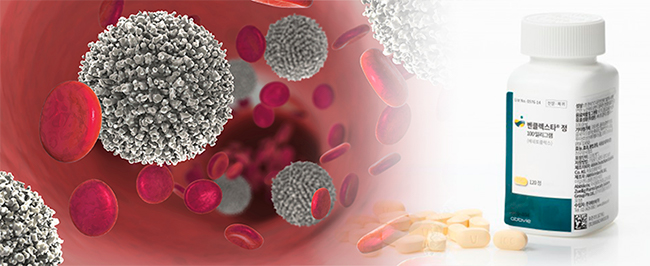
- Product photo of AbbVie Korea Sources said Abbvie Korea has signed a risk-sharing agreement (RSA) renewal agreement for its 'Venclexta Tab (Venetoclax).' Consequently, Venclexta Tab will be reimbursable for five years under the RSA agreement. According to sources on July 16th, AbbVie and the National Health Insurance Service (NHIS) have reached an agreement to sign RSA renewal for Venclexta. When it became reimbursement listed in April 2020, Venclexta was approved for the RSA agreement. The type was a total expenditure cap model. Venclexta can be reimbursed for use as monotherapy for the third-line treatment or more in patients with Chronic Lymphocytic Leukemia (CLL) who have relapsed or refractory to previous chemo-immunotherapy and inhibitors of B-cell receptor signaling and also for the second-line combination treatment of patients with relapsed or refractory CLL who have had previously undergone at least one or more chemotherapies. Since February last year, Venclexta can be reimbursed when used in combination with decitabine or azacytidine for the first-line treatment of adult patients over 75 years and above with newly diagnosed acute myeloid leukemia (AML) who are inadequate to receive induction chemotherapy. Due to expanded use, the price of the 10 mg product was reduced from KRW 4,299 to KRW 3,755, 50 mg product from KRW 21,492 to KRW 18,870, and 100 mg product reduced from KRW 42,984 to KRW 37,740. At that time, the company entered a negotiation for resigning RSA. The initial RSA agreement was set to end on March 31st of last year, but the company continued to negotiate by a temporary contract. Then, sources said that they had signed the final agreement this time. The RSA contracts are valid for five years. "Since Venclexta is a pharmacoeconomic evaluation exemption drug, it has a total expenditure cap. This might have been the focus of negotiations for the total expected claim amount resulting from expanded usage," an industry official said. In 2023, Venclexta's sales totaled KRW 7.5 billion, according to IQVIA data.
- Policy
- Temp reimb extension for antivirals including Tamiflu ends
- by Lee, Tak-Sun Jul 16, 2024 05:46am
- The limited reimbursement extension granted to antiviral drugs used for influenza such as Tamiflu has ended after 22 months. The program, which was introduced as a measure to prepare for the simultaneous spread of the COVID-19 and influenza pandemic, came to an end with the recent lifting of the flu pandemic warning. Now that the COVID-19 pandemic has subsided, the old reimbursement standard will be applied in the future in normal circumstances. According to the Health Insurance Review and Assessment Service (HIRA), the limited health insurance reimbursement coverage granted to influenza antiviral drugs, which had been in effect since September 13, 2022, ended on the 12th. The subject items were oral oseltamivir, such as Tamiflu Cap, and topical zanamivir, such as Relenza Rota Disk. Both drugs were used when the patient was confirmed positive for influenza through tests (rapid antigen test or polymerase chain reaction tests). However, when the influenza warning was issued, ▲patients under the age of 9, ▲pregnant or mothers within 2 weeks of giving birth, ▲65 years old or older, ▲immunocompromised, ▲metabolic disorders, ▲heart disease, ▲lung disease, ▲kidney dysfunction, ▲liver disease, ▲blood disorders, ▲neurological and neurodevelopmental disorders, and ▲patients under the age of 19 who are receiving long-term aspirin treatment were covered even without testing. In November 2021, the government temporarily extended health insurance coverage for antiviral drugs for suspected high-risk patients (pediatric, elderly, immunocompromised, etc.) even if they did not test positive and no influenza warning was issued, due to concerns about the outbreak of COVID-19 and influenza twindemic. The temporary extension was in effect from November 15, 2021, to June 20, 2022. Then, during the flu season, the measure was extended for a second time from Sept. 13, 2022, to July 12, 2024. The KDCA lifted the influenza pandemic warning for the 2023-2024 season on the 12th. As a result of the surveillance of influenza samples at the clinic level (300 centers), the number of suspected influenza patients fell below the epidemic threshold for 3 consecutive weeks, resulting in the decision to lift the flu pandemic warning after consultation with experts. Typically, the influenza season in Korea runs from November to April of the following year. If the number of cases remains below the epidemic threshold, it is unlikely that the reimbursement standard for antiviral drugs will be extended. In the case of Tamiflu Cap, the reimbursement extension and the flu epidemic resulted in KRW 15 billion in outpatient prescriptions (UBIST) last year. This was the highest in the last 5 years, and the explosive demand caused frontline pharmacies to struggle with supply. During the COVID-19 pandemic, on the contrary, sales were below KRW 5 billion as the flu waned. In 2020, sales recorded KRW 2.7 billion, and in 2021, no prescriptions were recorded at all. An industry official analyzed, "With the reduced flu epidemic and return to normal of the reimbursement standards, prescriptions for antiviral drugs such as Tamiflu will likely decrease.”

- Policy
- ‘Exclude GER and CAN or cut price by 50% less'
- by Lee, Tak-Sun Jul 15, 2024 05:48am
- As the government is pushing for external reference pricing reevaluations, the pharmaceutical industry has proposed two alternatives: excluding Germany and Canada from the A8 countries used for comparison or reducing the drug price cut rate by 50%. The government is reportedly reviewing the proposed options. The industry has taken a hardline stance, stating how it will not go through with the government’s external reference pricing reevaluation plan as is in its current state. According to industry sources on the 12th, the industry officials that participated in the 10th meeting for the external reference pricing reevaluations that was held on the 5th proposed the options above. The industry suggested that 6 countries (the U.S., Japan, the U.K., Switzerland, France, Italy, and the U.K.) should be used as reference, excluding Germany and Canada, which have different drug pricing systems from Korea and will inevitably render significant losses when comparing the countries’ public reimbursement benefits. Germany and Canada use external reference pricing systems. Under the reference pricing system, only generics below a certain price are granted listing, so the reimbursed public price of drugs is significantly lower than that of Korea, which may increase the losses rendered by domestic pharmaceutical companies. The pharmaceutical industry is also reported to have proposed a plan that reduces the drug price reduction amount by 50% when Germany and Canada are included. This is a method that has been applied in past external reference pricing reevaluations. "Including the public reimbursement prices applied in Germany and Canada in Korea’s reevaluation is quite unreasonable on the industry’s part," said an industry insider, adding, "Considering how the reductions in the drug price cut amount were applied in the past, it shouldn't be a big problem this time around.” The insider added, “The government is well aware of the damage that adding Germany and Canada will bring to the industry, so I believe it will accept one of the two options we have proposed today.” The current sources of external reference prices in the MFDS’s regulations are the U.S. Redbook (wholesale prices), the U.K. MIMS (pharmacy prices), the German Rote Liste (pharmacy prices), the French French Public Drug Database (ex-factory prices), the Italian Codifa (ex-factory prices), the Swiss Specialties List (ex-factory prices), the Japanese Ministry of Health, Labor and Welfare's Drug Price Standard (pharmacy price), and the Canadian PMPRB & Ontario Drug Benefit Formulary (ex-factory prices) However, the government's proposal became controversial because it had calculated the external reference price of drugs for reevaluation based on the price that is publicly reimbursed or similarly paid. Therefore, it is expected that the government will soon decide on the issue of applying the drug prices in Germany and Canada or reducing the cut amount by 50% and finalizing its draft.
- Policy
- Roche Korea speeds up reimb of Ocrevus in KOR
- by Lee, Tak-Sun Jul 12, 2024 05:48am
- Roche Korea is making active moves to receive reimbursement for its multiple sclerosis drug Ocrevus, which was approved in May this year. Roche, which applied for reimbursement immediately after the approval, has set out to persuade the Health Insurance Review and Assessment Service to expedite the application process. According to industry sources, Roche Korea recently applied for a drug presentation session to HIRA. The system was introduced in 2010 to increase the transparency and objectivity of drug evaluations by sharing information about new drugs between pharmaceutical companies and reviewers. The briefing is held between 1-2 months after the company applies for evaluations. However, for drugs that require supplemental data, a briefing is held after the supplemental data has been submitted and the reviewers have understood the submitted data. The briefing is open to reviewers and deputy directors involved in the evaluation of the reimbursement standard and the evaluation of the new drug. Roche requested to hold the briefing to provide reviewers with an accurate representation of the drug's efficacy and clinical utility and justify the drug’s reimbursement. Ocrevus is considered to have dramatically improved dosing convenience for patients with multiple sclerosis. As a recombinant humanized monoclonal antibody (mAb, IgG1) that selectively targets CD20-expressing B cells, it reduces the number and function of B cells, thereby inhibiting MS. MS is a chronic disease in which myelin sheaths are damaged by an autoimmune inflammatory response. Damage to the myelin sheath causes symptoms such as muscle weakness, fatigue, and vision impairment, and can lead to non-traumatic neurological disability. An estimated 1,800 patients are known to be living with MS in Korea. Previously, patients had to receive weekly injections such as beta interferon to relieve their symptoms. Ocrevus, on the other hand, is said to be more convenient to administer as the first dose of 600 mg is divided into 2 intravenous infusions, and the 600 mg doses thereafter are administered as a single intravenous infusion every 6 months. The drug was approved by the U.S. FDA in 2017 and its subcutaneous formulation recently received EU approval. A barrier to its reimbursement in Korea is the high price of the drug. In the U.S., the annual cost of the drug is nearly KRW 100 million. Although it is expensive, the company likely applied for the briefing to emphasize the justification for its reimbursement. In particular, there are observations that Roche may be rushing to receive reimbursement as Celltrion is avidly developing a biosimilar of the drug. An industry insider explained, "Through the drug briefing, pharmaceutical companies can appeal to not only the reviewers but also the relevant deputy directors on how just the reimbursement is, and share complementary ideas on key issues, which can speed up the submission of documents in the future reimbursement review process."

- Policy
- Reassessing the plan for comparing foreign drug prices
- by Lee, Tak-Sun Jul 12, 2024 05:48am
- The government will likely reassess foreign drug price comparison by evaluating the therapeutic category with the highest number of products. Consequently, gastrointestinal agents, high blood pressure drugs, and antibiotics will be assessed in the first year. There are over 2000 products in these three therapeutic categories. Furthermore, drugs with the same ingredient products produced by fewer than three companies will likely to be excluded from the assessment. According to industry sources on July 10th, the government is gathering opinions from pharmaceutical companies about the current reassessment plan, which has been shared through ten meetings with the pharmaceutical industry (as of July 5th). The current reassessment plan is not the final one. The issue is still ongoing because it does not include the referencing sources of Germany and Canada. In the first year, according to the reassessment plan, therapeutic categories with the highest number of products, including gastrointestinal agents (2043 products), high blood pressure drugs (2268 products), and antibiotics (2156 products), will be assessed. In the second year, hyperlipidemia drugs, respiratory system medications, central nervous system medications, diabetes drugs, and musculoskeletal disorder medications will be assessed. In the third year, ophthalmology drugs, otolaryngology drugs, dentistry drugs, painkillers, urological and reproductive system medications, anticoagulants, dermatological treatments, anticancer agents, and 17 other therapeutic categories will be assessed. The current plan to reassess foreign drug price comparison (as of July 5th). (Therapeutic category with the highest number of products) In the first year, gastrointestinal agents (2043 products), high blood pressure drugs (2268 products), and antibiotics (2156 products), will be assessed. In the second year, hyperlipidemia drugs, respiratory system medications, central nervous system medications, diabetes drugs, and musculoskeletal disorder medications will be assessed. In the third year, ophthalmology drugs, otolaryngology drugs, dentistry drugs, painkillers, urological and reproductive system medications, anticoagulants, dermatological treatments, anticancer agents, and 17 other therapeutic categories will be assessed. However, exclusion will be applied to ▲low-priced drugs, orphan drugs, drugs that have been listed as shortage prevention drugs (SPD) ▲Oxygen, nitrogen dioxide, saline solutions, artificial perfusion agents, and radioactive drugs ▲Narcotics ▲Drugs with the same administration, ingredients, and formulation produced by fewer than three companies ▲Products undergone price increases (after January 2020). During the discussion, drugs with the same administration, ingredients, and formulation produced by fewer than three companies were added to the list. A reference price for adjustment is the average price of drugs found in A8 countries. Adjusted mean price will exclude the highest and the lowest prices. Products with a higher drug price than the calculated reference amount will be subjected to a reduction. In cases where fewer than 2 out of 8 countries can be found, the average reduction rate of the most similar product is applied, considering factors such as content, ingredients, formulations, and administration methods. Products with generic prices higher than the standard amount calculated using the highest price within the same product will be reduced. When calculating the average reduction rate, if a negative reduction rate occurs due to lower prices compared to foreign countries, it will be reflected as such in the calculation. For combination therapies, if the assessed amount is lower than the sum of the assessed amounts for monotherapy or combination therapy, the reduction will be limited to the sum of the amounts assessed. The prices of pharmaceuticals that have submitted the required documents will be reduced to the amount assessed for their intended development products. Furthermore, it has been revealed that the current plan included the addition of criteria stating that the calculation of price adjustments referencing foreign drug prices should be based on public prices reimbursed or reimbursed equivalently in the respective country. The pharmaceutical industry's significant opposition to the public reimbursement requirements during the tenth meeting may prompt revisions in the final plan.

- Policy
- ‘Bioequivalence tests rather intensified price cuts'
- by Lee, Tak-Sun Jul 12, 2024 05:47am
- The pharmaceutical industry is calling for improvements as their drugs that have completed bioequivalence tests per the government’s insurance price ceiling reevaluations may face larger price cuts under ‘Type C’ of the Price Volume Agreement negotiations this year. Generic drugs that have completed bioequivalence tests during the insurance price ceiling reevaluations have maintained their existing prices. On the other hand, the price of a number of drugs that were unable to demonstrate bioequivalence was cut, leveling the weighted average price of the same ingredient drugs (substitutes) downward. The higher the price of the drug in negotiations as compared to the weighted average price of its substitutes, the greater the price reduction, putting the bioequivalent drugs at a relative negotiating disadvantage. According to industry sources on the 11th, the price difference between the weighted average price of the negotiated drug and the weighted average price of the equivalent drugs became larger and is expected to increase the price reduction of the respective drugs during PVA negotiations. According to the government’s Detailed Operating Guidelines for PVA Negotiations, the weighted average price of substitute drugs is one of the considerations used to adjust the reference price used in negotiations. According to Article 11 of the guidelines, considerations for adjusting the negotiated reference price include: ▲ the impact of the increase in claims of the negotiated drug has on the reduction or increase in insurance finances ▲ the impact of the negotiated drug on the weighted average price of the entire market, which includes substitute drugs. The substitute drugs for ‘Type C’ PVA are drugs with the same ingredient and route of administration as the negotiated drug. As the weighted average price of same-ingredient drugs has been leveled downward due to price ceiling reevaluations, their impact on the weighted average price of negotiated drugs whose prices have been maintained by demonstrating biological equivalence is bound to increase. "As the weighted average price of substitute drugs has been leveled downward, the bioequivalent drugs may be regarded to have an adverse effect on national health insruance finances, resulting in been larger price cuts than that made using the reference formula during PVA negotiations.” said a pharmaceutical industry representative. In other words, the greater the price difference is between the negotiated drug and the weighted average price of its substitutes, the greater the price reduction may become with increased usage. The generic drugs that have demonstrated bioequivalence will be losing out because their price was maintained during the previous negotiations, rendering the price difference greater compared with the weighted average price of its substitutes, which were leveled downward. The pharmaceutical industry has been expressing frustration as the bioequivalence tests they conducted to comply with government policy are being used against them. The insurance price ceiling reevaluations on generics took place last year and this year to improve the quality of generic drugs. The government pulled out the bioequivalence card to improve quality after a number of generic products were found to contain NDMA and other carcinogens in their ingredients, including the hypertension drug valsartan. Generics that have proven their bioequivalence were allowed to maintain their prices, while generics that were easily approved through contract manufacture had their prices reduced. The government’s intention at the time was to save only those drugs that took the time and expense to prove their viability from penalties, but instead, the bioequivalent drugs are being penalized through the post-marketing control system. In response, the industry is calling on the government to find a way to improve the system so that those who cooperated with government policy are not disadvantaged during PVA negotiations. For example, the government plans to negotiate PVA drugs to reflect the contribution of items that increased production or were used to treat infectious diseases through information cooperation to address the unstable drug supply and demand issue last year. The pharmaceutical industry believes that the PVA guidelines should also reflect the drugs’ contribution to improving drug quality. "The more the items that have not demonstrated bioequivalence there are, the lower the weighted average price of substitute drugs, and the more expensive the bioequivalent drugs may appear to be, resulting in a larger negotiated price cut," said an industry official. "It is unreasonable to try to further cut drug prices just because they are relatively expensive during PVA negotiations, even though they are being well sold for abiding with government policy."
