
- LOGIN
- MemberShip
- 2026-07-22 15:29:23
- Policy
- AML treatment Mylotarg stalled at the DREC review
- by Lee, Tak-Sun Jan 09, 2025 05:56am
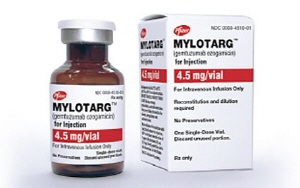
- Product photo of MylotargThe high price was found to be the reason Pfizer Korea's new drug Mylotarg (gemtuzumab ozogamicin), a treatment for acute myeloid leukemia (AML), did not pass the Health Insurance Review and Assessment Service (HIRA) stage. HIRA acknowledged the drug's improvement in clinical utility but did not approve its cost-effectiveness. According to industry sources on January 7, HIRA recently disclosed a report from the Drug Reimbursement Evaluation Committee (DREC) held in November 2024 on the non-reimbursement assessment review for Mylotarg inj 4.5mg. Mylotarg is an antibody-drug conjugate (ADC) that can be used for the first-line treatment of newly diagnosed adult patients with CD33-positive AML. It binds to cells involved in leukemia and releases calicheamicin upon internalization, causing DNA double helix breaks and inducing cell death. It was approved on November 18, 2021, in South Korea and has been considered for national health insurance reimbursement listing. In May 2022, it was considered for the Cancer Disease Review Committee (CDRC) of the HIRA review but failed to establish reimbursement criteria. In October 2023, its reimbursement criteria were successfully established at the CDRC. Then, it was considered for the DREC review, the final stage for determining reimbursement appropriateness; however, it was acknowledged for reimbursement appropriateness. According to the DREC assessment report, Mylotarg is an anticancer drug approved for the 'treatment of patients with newly diagnosed CD33-positive AML.' It was acknowledged for improving clinical utility, including event-free survival (EFS), compared to an alternative drug. However, the DREC determined to maintain non-reimbursement status due to not having cost-effectiveness based on the economic assessment. In the cost-effectiveness assessment, Mylotarg's price was found to be higher than that of alternative drugs, 'cytarabine + daunorubicin, cytarabine + idarubicin combination therapies.' Additionally, the economic assessment result did not sufficiently persuade DREC committee members. Meanwhile, its clinical utility was acknowledged. The Korean Society of Hematology showed that Mylotarg improved the EFS than the standard therapy (7+3). Regarding the safety profile, bleeding and veno-occlusive disease (VOD) occurrence slightly increased, but it was determined safe because it was not significantly different from the side effect frequencies. Since Mylotarg is a standard therapy for cytogenetically favorable-intermediate patient groups based on treatment guidelines of the United States and Europe, the assessment suggested it should be provided to patients in South Korea. In the ALFA-0701 Phase 3 trial, the drug significantly improved the primary endpoint, demonstrating a median EFS of 17.3 months compared to 9.5 months in the control group. Currently, this drug is listed in the prescription price list of the US, UK, Germany, Italy, and Japan. Meanwhile, the prevalence of domestic AML is 2.5 cases per 100,000 population annually. The prevalence of the disease increases with age, and the median age of AML patients is between 65 and 69. As life expectancy increases, more AML patients are older. Patients with AML experience fatigue, weakness, loss of appetite, anemia, and thrombocytopenia due to bone marrow failure and extended infiltration of leukemia cells. It has been reported that young patient survival rate is below 20% with poor prognosis.
- Policy
- Dong-A ST first to pay the raised new drug approval fee?
- by Lee, Hye-Kyung Jan 07, 2025 06:05am
- With the new drug approval fee raised to KRW 410 million on Jan. 1 this year, the industry is eyeing whether Dong-A ST will become the first to apply for marketing authorization and pay the raised new drug approval fee. According to industry sources on the 7th, Dong-A ST applied for a prior consultation before applying for marketing authorization for its new drug cenobamate for epilepsy at the end of last year. Cenobamate is known under the brand name ‘Xcopri’ in the U.S. The prior consultation is a procedure introduced when the fee was increased as an ‘innovative measure for new drug approval,’ and is only available once for new drugs that are scheduled to apply for marketing authorization within 3 months. SK Biopharm and Dong-A ST signed an agreement in January for cenobamate Cenobamate is a new drug independently developed by SK Biopharm, which was approved by the U.S. Food and Drug Administration (FDA) in November 2019 and launched in the U.S. in May 2020. In Europe, the drug was granted marketing authorization through the company’s partner Angelini Pharma in March 2021 and has been launched sequentially since then, showing strong growth in the global market. Since licensing out cenobamate to the European market for the first time in 2019, the cumulative upfront payment for the drug is currently about KRW 600 billion, and the total amount of technology exports, including milestone payments, is reportedly 1.6 trillion. In the U.S. market, SK Biopharm has a direct sales system. Domestic marketing authorization, production, and sales are handled by Dong-A ST. In January last year, SK Biopharm signed a licensing agreement with Dong-A ST for its cenobamate. Under the agreement, Dong-A ST will receive cenobamate’s finished drug manufacturing technology from SK Biopharm and will be in charge of marketing authorization, production, and sales of the drug in 30 countries including Korea, Southeast Asia, Southwest Asia, Russia, Australia, New Zealand, and Turkey. Dong-A ST plans to launch the product in 2026 after completing preparations for cenobmate’s approval and reimbursement. With the increase in new drug approval fees this year, the company will receive benefits such as a dedicated review team and prioritized GMP surveys, so the company expects to be able to launch the product in 2026 as planned. Meanwhile, SK Biopharm is currently conducting Phase III clinical trials in Asia, including Korea, for adult partial-onset epilepsy. The trial is expected to be finalized around 2025. According to SK Biopharm, there are about 190,000 patients with epilepsy in Korea. Its relevant market is estimated to be worth KRW 130 billion.
- Policy
- Zolgensma shows 94% effect during post-evaluations
- by Lee, Tak-Sun Jan 06, 2025 05:56am
- The spinal muscular atrophy (SMA) treatment Zolgensma (onasemnogene abeparvovec) showed promising results suited to its high price. The use of the once-daily, one-shot treatment, which has an insurance cap set at KRW 2, requires a post-marketing evaluation to measure its cost-effectiveness. According to industry sources on the 5th, Zolgensma Inj was approved for reimbursement in August 2022 and was administered to 21 patients by November last year, 18 of whom have received outcome evaluations. 17 of the 18 patients showed significant improvement, with 1 patient failing to receive the drug due to death. The Health Reviews and Assessment Service recently released the results of the Zolgensma Inj performance evaluation that contained the results above. The performance evaluations for Zolgensma Inj are conducted before dosing and every 6 months following administration for up to five years. Failure was defined as: a) permanent ventilation or death; b) CHOP-INTEND score not improving by at least 4 points from pre-dose baseline; or c) a decrease in CHOP-INTEND of at least 4 points or HFMSE of at least 3 points on two consecutive response assessments, even if the b) improvement was achieved. However, a significant improvement after treatment was considered to have occurred if there was an increase in motor function test scores, even if the patient’s outcome falls within the criteria for treatment failure. Spinal muscular atrophy is a genetic disorder caused by problems in the part of the nervous system that controls the movement of the voluntary muscles. Zolgensma is designed to deliver a functional copy of the SMN1 (survival motor neuron 1) gene into cells via transfection. It promotes the survival and function of the transgenic motor neurons by alternatively expressing the SMN protein in the motor neurons. The majority of patients receiving Zolgensma are infants less than 24 months old. The 9 additional outcomes reported by the panel were also all infants at 24 months of age. Eight of these patients showed significant improvement from 12 to 24 months. One patient showed a decrease in HFMSE of more than 3 points at the 24-month evaluation and was required to confirm motor function via HFMSE at the next review, and if necessary, submit video evidence to confirm the HFMSE score. A total of 21 patients had received Zolgensma Inj by November of last year when the post-evaluation was conducted, the agency said. Of these, the results of 18 patients were disclosed because 3 are yet to receive the 6-month post-evaluations. One of the 18 patients showed treatment failure with death, and 17 showed significant improvement, rendering the effectiveness rate to 94.4%. As high as the drug’s price is, with an insurance price ceiling set at KRW19.817,269, the drug has been showing a clear effect. The patient’s out-of-pocket cost for the drug is KRW 5.98 million (10% coinsurance rate) for a single dose with health insurance.

- Policy
- MFDS’s 2nd GIFT drug Nefecon applies for reimbursement
- by Lee, Tak-Sun Jan 06, 2025 05:56am
- Nefecon (micronized budesonide), the only drug approved by the U.S. FDA to treat lgA (immunoglobulin A) nephropathy, has applied for domestic health insurance reimbursement coverage in Korea. The drug was approved in November last year as its 2nd GIFT (Global Innovative Drug Fast Track) drug, MFDS’s fast track program. According to industry sources on the 3rd, the application for reimbursement determination of Nefecon enteric capsules 4 mg was recently submitted to the Health Insurance Review and Assessment Service. Nefecon is a drug used to treat primary IgA nephropathy in adults with a urinary protein-to-creatinine ratio of 1.5 or greater who are at risk of rapid progression. The drug was approved by the US FDA last year under the brand name Tarpeyo in December 2021 as the first and only IgA nephropathy treatment. The drug was developed by Calliditas Therapeutics AB based in Sweden. Everest Medicines has exclusive rights for the drug’s sale in Korea and China, Hong Kong, Macau, Taiwan, and Singapore through an exclusive license agreement with the original developer. Budesonide, the active ingredient, is commercially available in Korea. It is used for asthma, chronic obstructive pulmonary disease, and allergic rhinitis under the trade names Pulmicort and others. The original developer repurposed the ingredients and developed it for the first time as a treatment for IgA nephropathy. IgA nephropathy is a disease that occurs when immune complexes including IgA are deposited in the glomeruli of the kidneys, causing an inflammatory response, and is said to affect more than 9,000 patients in Korea. Symptoms can range from asymptomatic microscopic hematuria to rapidly progressive kidney failure. Treatment for lgA nephropathy is generally conservative and includes blood pressure control, the use of renin-angiotensin system blockers to reduce proteinuria, and lifestyle modification. Immunosuppressive drugs may then be used if the condition worsens. There is no fundamental cure that targets the disease. Nefecon is an expensive drug; it costs nearly KRW 20 million per month in the U.S., therefore, its financial sharing is expected to be a key issue during reimbursement reviews. However, the absence of a cure for IgA nephropathy may affect the reimbursement review.
- Policy
- 'Pivlaz Inj' makes another attempt to be reimb in KOR
- by Lee, Tak-Sun Jan 03, 2025 06:27am
- 'Pivlaz Inj,' which is supplied·distributed in South Korea by Handok, has been submitted for another attempt at reimbursement. The marketing authorization for Pivlaz was approved in South Korea in December 2023. Then, the company applied for reimbursement but voluntarily withdrew the reimbursement application in June 2024. According to industry sources on January 2, the reimbursement application for Pivlaz Inj (clazosentan disodium) was submitted to the Health Insurance Review and Assessment Service (HIRA). Pivlaz Inj, a selective endothelin receptor antagonist, received Korean marketing authorization on December 7, 2023, for the indication to prevent cerebral vasospasm, vasospasm-related cerebral infarction, and cerebral ischemic symptoms in adults who had undergone clipping or coiling treatment for aneurysmal subarachnoid hemorrhage. Cerebral vasospasm after aneurysmal subarachnoid hemorrhage increases the risk of death in patients by twofold. Prevention and treatment are crucial because they accompany serious complications, such as local paralysis, language impairment, and decreased cognition. However, treatment for the disease has been difficult because there has been no medication available for it. In Phase 3 clinical trial (AC-054-305), involving patients who had undergone coiling treatment for aneurysmal subarachnoid hemorrhage, Pivlaz showed a statistically significant reduction in the percentage of mortality due to delayed ischemic neurologic deficit or all-cause associated with cerebral vasospasm in the 10mg/h treatment. The percentage for the placebo group was 28.8% (32/111 cases), and that of the 10mg/h treatment group was 13.6% (14/103 cases). Before the approval in South Korea, the Central Pharmaceutical Affairs Advisory Committee (CPAC) determined that the drug's concurrent use with nimodipine lacked a basis for the drug's benefit and, unlike in Japan, a trial result comparing the drug to nimodipine, which is a standard therapy in South Korea, is needed. However, during reconsideration by the CPAC, a comprehensive result from an additionally submitted document demonstrating a comparison with nimodipine and the company's plan to secure documents in Korean was evaluated. The CPAC has concluded that clazosentan monotherapy (excluding its concurrent use with nimodipine) will be approved based on Japan's Phase 3 clinical trial results. The company applied to HIRA for reimbursement after obtaining approval. However, it withdrew the approval in June. Recently, it was reported that the company attempted reimbursement again with strengthened documents. Nxera Pharma Korea obtained the domestic approval for Pivlaz. Nxera Pharma Korea is a Japanese multinational company that acquired the Pivlaz developer, Swedish pharmaceutical company Idorsia Pharmaceuticals. In April 2024, the company changed its name from Sosei Group to Nxera Pharma. On April 12, 2024, Handok signed an agreement with Nxera Pharma Korea for the domestic supply and marketing of 'Pivlaz.' Handok plans to launch Pivlaz this year. To achieve this goal, the company must pass the reimbursement review. It draws attention to whether Handok, which has been focusing on strengthening new drug competitiveness in the rare diseases field, will achieve business goals by potentially obtaining reimbursement for Pivlaz.

- Policy
- New Year's drug pricing policy highlights
- by Lee, Tak-Sun Jan 03, 2025 06:27am
- The new drug pricing system in 2025 is expected to be volatile due to Korea’s political turmoil. Whether the external reference pricing reevaluations and re-evaluation of the listed PE exemption drugs, which were reviewed or discussed last year, will be carried out this year is also the focus of attention. However, as most of the detailed measures for 'Reflecting the Innovative Value of New Drugs and Improving the Drug Pricing System for Health Security' have been revised, the revisions are expected to be implemented in earnest this year. In particular, the partial revision of the 'Criteria for the Determination and Adjustment of Drugs (administrative notice issued in October 2024), which contains the most relevant contents, is likely to be applied before March, and it is expected that the preferential measures for homegrown new drugs will be applied this year. Dailypharm has collected the drug pricing policies and systems that will be applied this year, which are as follows. 2025 Drug Reimbursement Adequacy Reevaluations The drug reimbursement adequacy reevaluations that began in 2020 will continue this year. This year, 8 ingredients will be subject to review: olopatadine hydrochloride; clematis root-trichosanthis radix-prunella vulgaris L; bepotastine; spherical absorptive carbon; artemisia princeps leaf extract; l-Ornithine-l-Asparate; sulglycotide; and chenodeoxycholic acid-ursodeoxycholic acid trihydrate magnesium salt. Among them, the 3-year average claims amount for the artemisia princeps leaf extract has been the highest at KRW 112.5 billion, so the outcome of the reevaluation is expected to be of interest. There are 142 artemisia princeps leaf extracts listed on the reimbursement list, including Dong-A ST’s original, Stillen Tab. If the reimbursement adequacy for the ingredient is not recognized in this year's reevaluations, it is expected to hit the relevant pharmaceutical companies hard. In particular, the artemisia princeps leaf extract is also undergoing MFDS’s bioequivalence reevaluations, so the reimbursement adequacy reevaluations will have a further impact. In addition, the results of the reimbursement of olopatadine hydrochloride, worth KRW 66.4 billion, and bepotastine, worth KRW 54.8 billion, are also gaining attention. The reimbursement adequacy reevaluations are expected to begin in earnest in March after the Health Insurance Review and Assessment Service report at the beginning of the year. Price-Voume Agreement system’s maximum reduction rate raised to 12.5% In October last year, the Ministry of Health and Welfare announced a partial amendment to the 'Criteria for Determining and Adjusting Drug Prices' to raise the maximum reduction rate for drugs subject to PVA negotiations from 10% to 15%. However, the adjustment rate stays at the 12.5% level until December 31, 2025, which is a lower rate, given the early stage of its implementation. Therefore, the maximum reduction rate of 12.5% is expected to be applied upon the notification of the amendment this year. As the maximum reduction rate is 2.5% higher than the current 10%, the intensity of losses the companies will bear due to drug price cuts is expected to be greater. Preferential treatment for homegrown new drugs developed by Korea Innovative Pharmaceutical company Similarly, if the amendments to the 'Criteria for Determining and Adjusting Drug Prices' are promulgated, preferential drug pricing for domestically developed new drugs will also be then applied. In particular, non-inferior new drugs by Korea Innovative Pharmaceutical Companies will be priced at the ‘lower of the highest price of the upper limit of alternative drugs or the amount added to the weighted average price of substitute drugs (X100/53.55, approximately 1.8 times).’ This is expected to be significantly higher than the current price, which is set below the weighted average price of alternative drugs, resulting in higher profit margins for drugs covered by the proposal. It will be interesting to see if Shinpoong Pharmaceutical's 'Hyal Flex Inj' will receive preferential treatment. On the other hand, homegrown new drugs will be able to apply the dual pricing system when negotiating their price, paving the way for them to enter overseas markets at higher prices. Preferential measures for national essential medicines that use domestic raw materials In addition to the preferential plan for homegrown new drugs, a preferential plan for national essential medicines that use domestic ingredients will also be established. It will also be applied when some amendments to the MOHW’s 'Standards for Determination and Adjustment of Pharmaceuticals' are published. Specifically, it has been decided that nationally essential medicines that use domestic raw materials will be considered to have met all the criteria for preferential pricing. In addition, a (68/53.55 - 1)×100% premium will be added to the calculated amount, which would render the price of eligible drugs higher than now. The government expects this to increase the domestic self-sufficiency rate of national essential medicines. Designation of 7 new Korea Innovative Pharmaceutical Companies Designation as a Korea Innovative Pharmaceutical Company serves as the basis for premium pricing during drug reimbursement listings. Therefore, the ‘innovative’ title is directly linked to profits. This year, Dong-A ST, Amgen Korea, Onconic Therapeutics, Curocell, Hahnall Biopharma, SK Bioscience, and SK Biopharm were newly designated, bringing the total to 49 companies recognized as Korea Innovative Pharmaceutical Companies. On the other hand, as 4 pharmaceutical companies were eliminated during the recertification process for Korea Innovative Pharmaceutical Companies in June last year, they will unable to receive incentives such as drug pricing premiums that they had been previously granted as existing innovative pharmaceutical companies. The government plans to improve the criteria for the decertification of innovative pharmaceutical companies this year. In particular, it is expected to ease the certification requirements for rebates. New subjects added for prescreening for reimbursement benefits The government has recently been actively adjusting the drugs that are subject to pre-review for reimbursement benefits, and last year, reimbursement of Strensiq Inj and Soliris-Ultomiris for the PNH (paroxysmal nocturnal hemoglobinuria) indication was converted to general review. As of this month, Ultomiris for the atypical hemolytic uremic syndrome indication will require prior authorizations. Soliris had been the drug that required prior authorizations in the atypical hemolytic uremic syndrome category, which has been controversial due to its low prior authorization rate. Therefore, it will be interesting to see if the addition of Ultomiris will change the landscape. As a result, Soliris, Ultomiris, Spinraza, Zolgensma, Crysvita, Evrysdi, and Luxturna, and drugs used for immune tolerance therapy must pass prior authorization to be reimbursed.
- Policy
- Prices for Vyndamax, Ocrevus in negotiations with NHIS
- by Lee, Tak-Sun Jan 03, 2025 06:27am
- Pfizer's cardiomyopathy drug Vyndamax Cap and Roche's multiple sclerosis drug Ocrevus Inj are undergoing drug price negotiations with the National Health Insurance Service (NHIS) in Korea. Therefore, it will be interesting to see if the drugs will be able to finalize negotiations and their reimbursement listing agenda be submitted to the Health Insurance Policy Review Committee in January. According to industry sources on the 2nd, the NHIS recently added Ocrevus Inj (ocrelizumab) and Vyndamax Cap 61 mg (tapamidis) to the list of drugs subject to drug price negotiations. Ocrevus Inj was deliberated to be adequate for reimbursment at the 11th Drug Reimbursment Evaluation Committee (DREC) meeting that was held in November last year, during which the DREC stated that its reimbursement benefits are appropriate when the company accepts a price less than the evaluated amount. It is understood that as Roche has begun negotiating the drug price with the NHIS, it accepted the lower price and passed HIRA’s review stage. The drug is an injection that is administered twice a year and is considered to be a drug that dramatically improves the convenience of dosing for patients with multiple sclerosis. It has received domestic marketing authorization in May last year. Upon its approval, the company immediately applied for reimbursement benefits to the HIRA. Multiple sclerosis is a disease that affects the central nervous system, which consists of the brain, spinal cord, and optic nerve, and is an autoimmune disease characterized by the patient's immune system attacking healthy cells and tissues. There are reportedly about 1,800 patients affected with multiple sclerosis in Korea. Ocrevus Inj is a recombinant humanized monoclonal antibody (mAb, IgG1) that selectively targets B cells expressing CD20 and has the ability to inhibit MS by reducing the number and function of B cells. In particular, the drug is considered to be more convenient to administer than existing therapies because the initial dose of 600 mg is divided into two intravenous infusions, followed by a single dose of 600 mg every six months. The U.S. FDA approved Ocrevus in 2017 for the treatment of relapsing-remitting or new-onset progressive MS. The annual cost of Ocrevus in the U.S. is USD 70,000, which is more than KRW 10 million. Given its heavy burden on health insurance finances, the company’s financial sharing is expected to rise as the issue during drug price negotiations. Vyndamax Cap passed the drug review committee in October last year. Although it did not pass the DREC review in April 2023, upon the company’s reattempt, it was finally able to pass the HIRA stage. The drug is gaining attention as the only treatment for ATTR amyloidosis with cardiomyopathy (ATTR-CM), which is a transthyretin-mediated amyloidosis. ATTR-CM is a devastating and fatal disease with a median survival of 2 to 2.5 years without adequate treatment but has been known to have shown poor treatment outcomes because it is mistaken for simple heart failure or due to a lack of available treatment options. In the Phase III ATTR-ACT study, Vyndamax demonstrated efficacy in reducing cardiovascular events and improving the 6-minute walk test in patients with ATTR-CM. As the two drugs have entered negotiations with the NHIS, it will be interesting to see if they will be finalized this month and placed on the reimbursement agenda. Usually, new drug reimbursement is reported as a HIPDC agenda and then is reviewed on the first of the following month. Whether the two drugs, which are considered to improve the quality of life of patients as the only treatment options in their respective areas, will be able to be reimbursed with the start of the new year is gaining attention.
- Policy
- Orphan drug 'Voxzogo' wins nod
- by Lee, Hye-Kyung Jan 02, 2025 06:11am
- Product photo of Voxzogo The Ministry of Food and Drug Safety (Minister Oh Yu-kyoung, MFDS) announced on December 31 that it has approved 'Voxzogo (vosritid),' an orphan drug used to treat achondroplasia in children over four months whose growth plates are not closed. Achondroplasia is a bone growth-related genetic disease caused by a mutation in the FGFR3, a gene regulating cartilage cell proliferation and division. This drug suppresses the overactivation of FGFR3 (fibroblast growth factor receptor 3) in children with achondroplasia, inducing proliferation and division of cartilage cells, ultimately stimulating bone formation within the cartilage. Previously, there were no treatments available for children with achondroplasia. The approval of the medication is expected to offer a new treatment opportunity for children with the disease. Voxzogo is the 10th drug to receive the 'Global Innovative products on Fast Track (GIFT)' designation (July 2023). The MFDS quickly reviewed the case to make it readily available to clinical practices in South Korea. The MFDS stated, "Using our expertise in regulatory science, we will strive to quickly deliver new treatments for patients with intractable diseases so that patients can have more treatment opportunities."
- Policy
- Changes made to the drug approval system in the new year
- by Lee, Hye-Kyung Jan 02, 2025 06:11am
- Various changes will be made to the drug approval and management system in the new year of 2025, including the new drug approval innovation plan. On December 31st, the Ministry of Food and Drug Safety (MFDS) announced the changes that will be enforced from January, including ▲ the implementation of a new drug approval innovation plan ▲ reform of the GMP evaluations ▲ recognition of written inspection results during the triennial inspection of drug manufacturing sites. With the implementation of the new drug approval and review innovation process from January 1 next year, a new drug approval application fee of KRW 410 million will be charged. The increased fee will be used to establish a dedicated team for each item, expand the number of face-to-face consultations and review between the company and the approval authorities up to 10 times (currently up to 3), and shorten the manufacturing and quality control evaluation and on-site inspection of new drug manufacturing plants (within 90 days). The MFDS announced that it will support the rapid commercialization of new drugs by operating a fast, transparent, and predictable approval review system based on expertise so that it can be completed within 295 days from the application to the issuance of the marketing authorization. GMP evaluation for drug approval and registration will also be reorganized. GMP evaluation will be replaced with GMP certificates for imported raw material drug master files (DMF), which will significantly shorten the processing period (120 days → 20 days). The materials for GMP evaluation that need to be submitted when applying for a drug marketing authorization will be consolidated and adjusted from 11 types to 4 types The MFDS said, “We expect that this rationalization of the GMP evaluation regulations required for drug license and registration will enable us to quickly and stably supply safe and effective drugs with verified safety to people in Korea.” In addition, a system that allows periodic GMP inspections of low-risk drug manufacturing facilities to be written inspections will be implemented next year. In principle, when a drug manufacturing plant undergoes a three-year periodic inspection after being certified as being GMP compliant, it is required to undergo an on-site inspection, but if the risk is low, such as there is no history of significant changes according to the results of the preliminary assessment of the manufacturing plant, the system will be improved so that the GMP compliance certification can be extended up to 2 years with a written inspection without undergoing an on-site inspection. For reference, an on-site inspection would need to be conducted after the 2-year extension. The MFDS has prepared specific measures for the operation of written inspections other than on-site inspections and plans to hold industry briefings in the first half of next year and implement them in the second half of the year. In addition, when extending the GMP certificate of conformity through on-site inspections, the criteria for calculating the validity period will be revised from 3 years from the end of due diligence to 3 years from the day after the expiration date of the existing validity period, so that the 3-year validity period can be fully guaranteed. On December 30, the MFDS revised two notices, the “Rules on the Safety of Drugs (Prime Ministerial Decree)” and “Regulations on the Registration of Pharmaceutical Raw Materials” and “Regulations on the Manufacturing and Quality Control of Pharmaceuticals” to reorganize the GMP evaluation and periodic inspection conducted for drugs. “We expect the new systems implemented in 2025 to help promote public health and develop the pharmaceutical industry, and plan to continue operating the drug licensing and management system rationally in accordance with changes in the policy environment, with public safety as our top priority,” said the MFDS.

- Policy
- ICER threshold for anticancer drugs set same as in 2024
- by Lee, Tak-Sun Jan 02, 2025 06:10am
- The Health Insurance Review and Assessment Service released the results of the incremental cost-effectiveness ratio (ICER) of drugs submitted for pharmacoeconomic evaluation from 2019 to 2023, which has shown a decrease in the maximum ICER threshold set for anticancer drugs. The ICER threshold did not appear to have changed much from the previous year, as the review results of the breast cancer drug Enhertu, which was reimbursed in April and was known to have significantly exceeded the ICER threshold, were not reflected in the results. On December 30, HIRA released the ICER threshold values of 19 drugs evaluated from 2019 to 2023. At the end of every year, HIRA discloses the past 5-year ICER values from the previous year. According to the evaluation results, the median threshold value of 8 general drugs was KRW 27.66 million, ranging from KRW 12.06 million to KRW 36.1 million. In the case of the 8 anticancer drugs, the median threshold was KRW 39.93 million, ranging from KRW 25.88 million to KRW 47.92 million. For the 3 rare disease drugs, the median threshold was not disclosed to avoid identifying individual drug evaluation results. However, the minimum threshold was KRW 23.61 million and the maximum threshold was KRW 39.97 million. Compared to the ICER threshold published in 2023, there is less fluctuation, around KRW 10 million. The data released the previous year were based on ICER thresholds for 20 drugs evaluated from 2018 to 2022. Its results showed that the median price of 5 general drugs was KRW 25.67 million, ranging from KRW 17.78 million to KRW 35.29 million. At the time, the median ICER threshold of the 10 anticancer drugs was KRW 39.99 million, ranging from KRW 24.96 million to KRW 47.92 million, and the median ICER threshold of the 5 rare disease drugs was KRW 39.97 million, ranging from KRW 23.61 million to KRW 47.29 million. Compared to this year's results, the median ICER threshold of general drugs increased by KRW 1.99 million, while the minimum threshold decreased by KRW 5.72 million. The maximum value increased by KRW 0.81 million. In the case of anticancer drugs, the median ICER threshold decreased by KRW 60,000, while the minimum ICER threshold increased by KRW 0.92 million. The maximum remained the same. For rare disease drugs, the minimum ICER threshold remained the same, while the maximum ICER threshold decreased by KRW 7.32 million. The maximum ICER threshold for anticancer and rare disease drugs remained the same or decreased from the previous year. In August, HIRA revised the detailed evaluation criteria for drugs subject to negotiations, including new drugs, to establish an innovativeness requirement for drugs subject to flexible ICER threshold evaluations. Previously, the ICER threshold was “not to be used as an explicit threshold, but to be used flexibly for evaluations by referring to the results of previous deliberations that consider the severity of the disease, the burden of disease on society, the impact on quality of life, and innovation.” Upon revision, a new drug's innovativeness is recognized if it meets all 3 of the following requirements: ▲ there is no substitute or therapeutically equivalent product or treatment; ▲ a significant clinical improvement is identified in the outcome indicator, such as prolongation of survival; ▲ it falls under Article 35(4)(2) of the Pharmaceutical Affairs Act and is recognized by the MFDS as a new drug or equivalent drug approved through expedited review by the MFDS. A flexible review of high-priced new drugs is expected with the clarification of the flexible ICER threshold evaluation requirements. In April, HIRA reviewed and granted reimbursement for the breast and gastric cancer drug Enhertu Inj (trastuzumab deruxtecan, Daiichi Sankyo). At the time, it was reported that Enhertu’s ICER threshold greatly exceeded the maximum value of the existing ICER threshold set for anticancer drugs. Last year and this year, the maximum ICER threshold for anticancer drugs was KRW 47.92 million. Accordingly, it is expected that the ICER value in 2025, which will reflect the results of this year's evaluations, will show a significant increase in the ICER threshold set for anticancer drugs.
