
- LOGIN
- MemberShip
- 2026-09-08 03:14:45
- Policy
- MSD to discontinue Prodiax 23 supply as NIP shifts to PCVs
- by Lee, Tak-Sun Aug 23, 2026 12:44pm
- Beginning in 2027, Korea’s National Immunization Program (NIP) for adults aged 65 and older will fully transition from the current 23-valent pneumococcal polysaccharide vaccine (PPSV23) to pneumococcal conjugate vaccines (PCVs), which offer greater immunogenicity.Accordingly, MSD Korea's polysaccharide vaccine ‘Prodiax 23 Prefilled Syringe,’ which has been used for free vaccinations for over 10 years since the introduction of the NIP (National Immunization Program) in 2013, will halt its domestic supply following the termination of its 2026 supply contract.During a National Assembly Health and Welfare Committee briefing that was held on the 19th, in response to an inquiry by Democratic Party lawmaker So Byung-hoon, Korea Disease Control and Prevention Agency (KDCA) Commissioner Seung-kwan Im said, 'We have secured additional budget to implement the NIP with conjugate vaccines beginning next year (2027). We are additionally securing KRW 28 billion for next year's budget this year, so we expect the transition (to free vaccination) to proceed without a hitch.'"Until now, Korea’s NIP for older adults has provided free vaccination only with polysaccharide vaccines, while recipients have had to pay the full cost of conjugate vaccines, which offer relatively stronger and longer-lasting immune protection. This is why calls for changes to the program have therefore continued.In line with the government’s planned vaccine transition, MSD Korea has begun the process of discontinuing Prodiax 23 supply. MSD Korea reported to the MFDS on the 19th that it was notified by the KDCA of no plans to enter into a new procurement contract for the PPSV vaccine for 2027 based on domestic inventory status and the PCV transition schedule, and that it will suspend supply after delivering the previously contracted volume for 2026. This discontinuation aligns with the government's program transition plan, and it is expected that there will be no shortage of vaccine supplies on site.A company official said, “MSD Korea has contributed to adult pneumococcal disease prevention by reliably supplying Prodiax 23 in Korea for more than 25 years. Going forward, we will continue working with healthcare professionals and the government to lead adult pneumococcal prevention and help Korean adults benefit from our new vaccine, Capvaxive.”
- Policy
- Keytruda biosimilar race heats up with increasing competition
- by Lee, Tak-Sun Aug 23, 2026 12:44pm
- AI-generated imageCompetition among domestic pharmaceutical and biotech companies is intensifying to secure an early foothold in the biosimilar market for the blockbuster immuno-oncology drug 'Keytruda (pembrolizumab),’ the top-selling drug in Korea.With Samsung Bioepis accelerating its commercialization efforts by becoming the first Korean company to apply for regulatory approval of a Keytruda biosimilar, later entrants including Alvogen Korea and Celltrion are also challenging patent barriers in hopes of entering the market early.On the 19th, Alvogen Korea and Celltrion filed a passive trial for scope of rights confirmation (to invalidate or avoid patents) against Keytruda’s formulation patent (Stable formulations of antibodies to human programmed death receptor PD-1, scheduled to expire on March 29, 2032).MSD Korea’s Keytruda is an immuno-oncology drug that binds to PD-1 and prevents cancer cells from evading the immune system. The drug generated approximately KRW 548.1 billion in distribution and sales in Korea last year, up 13.3% from the previous year, ranking first in the overall Korean pharmaceutical market. Globally, annual sales reached approximately USD 31.7 billion (KRW 46 trillion), making it one of the world’s largest-selling individual drugs.Given the enormous size of the market both in Korea and globally, competition among biosimilar developers seeking to break the original drug’s exclusivity and enter the market early had to intensify.Samsung Bioepis leads the biosimilar race…applies for SB27 approval, first in KoreaSamsung Bioepis has taken the lead among Korean developers. The company recently submitted an application to the Ministry of Food and Drug Safety for marketing authorization of its Keytruda biosimilar candidate, SB27.The application covers 16 indications, including melanoma, non-small cell lung cancer and head and neck cancer. The company demonstrated equivalent efficacy and safety to the original drug through a Phase I trial involving 163 patients in four countries and a Phase III trial involving 555 patients in 14 countries.Dong-hoon Shin, Executive Vice President of Samsung Bioepis, said, “With this application, we became the first Korean company to enter the regulatory approval process for a Keytruda biosimilar. We will proceed with the review process without delay and work to provide Korean patients with an additional immuno-oncology treatment option as soon as possible.”Targeting a 2028 early launch… companies seek formulation patent evasionAlongside the regulatory filing, legal challenges aimed at clearing patent barriers have also emerged. Keytruda’s Korean compound patent (listed in the MFDS Green List), expires on June 13, 2028. However, its formulation patent, Stable formulations of antibodies to human programmed death receptor PD-1, which runs until March 29, 2032, serves as a secondary barrier.Even after the compound patent expires, products could remain blocked from launch until 2032 unless developers overcome the formulation patent. Companies are therefore focusing on patent challenges with the aim of launching immediately after the compound patent expires in 2028.Samsung Bioepis filed a passive trial for scope of rights confirmation against the formulation patent with the Intellectual Property Trial and Appeal Board on Aug. 6. Alvogen Korea and Celltrion followed with challenges to the same patent on Aug. 19. Their filings came within 14 days of Samsung Bioepis’ initial challenge, to join Samsung in the aim of preserving eligibility for first generic exclusivity.The companies are seeking confirmation that their biosimilars do not fall within the scope of the originator’s formulation patent, allowing them to clear the patent barrier early and enter the market when the compound patent expires in 2028.As a result, the strategic battle within the pharmaceutical and biotech industry to unlock the patent barriers of the mega-blockbuster Keytruda is expected to heat up even further.
- Policy
- Handok 'Vonjo' for severe myelofibrosis gets conditional approval
- by Lee, Tak-Sun Aug 23, 2026 12:43pm
- AI-generated imageA new treatment option is available in South Korea for patients with severe myelofibrosis who previously had no therapeutic options.The Ministry of Food and Drug Safety (MFDS) approved marketing authorization on the 13th for Handok's orphan drug 'Vonjo Cap (active ingredient: pacritinib citrate),' under the condition of post-approval submission of confirmatory Phase 3 clinical trial data.According to a recently disclosed meeting summary from the Central Pharmaceutical Affairs Council (CPAC), strong unmet clinical demand, centered on the need to promptly provide treatment access to high-risk rare disease patients lacking alternative therapies, played a role in Vonjo's approval.Handok, partners with Sweden's Sobi for exclusive domestic supplyVonjo is an oral JAK2/IRAK1 inhibitor originally developed by US-based CTI BioPharma. Swedish Orphan Biovitrum (Sobi), a global biopharmaceutical company focused on rare diseases, later acquired CTI BioPharma to secure commercial rights. Through its partnership with Sobi, Handok has spearheaded the regulatory filing, distribution, and supply of Vonjo in South Korea.The MFDS also recognized the drug's innovativeness and clinical urgency, designating it as the 32nd product under the "Global Innovative products on Fast Track (GIFT)" program. The MFDS supported rapid entry into domestic clinical practice through expedited review.Myelofibrosis is a rare hematologic malignancy characterized by bone marrow fibrosis that impairs normal hematopoiesis, resulting in splenomegaly, anemia, fatigue, and severe constitutional symptoms. The total domestic patient population in South Korea is estimated at approximately 2,200 to 2,300 individuals.Conventional first- and second-line treatments have widely included JAK inhibitors such as Jakavi (ruxolitinib) and Inrebic (fedratinib). However, because these agents can induce thrombocytopenia via myelosuppressive mechanisms, they have a critical limitation, as dose reduction or treatment discontinuation is required whenever platelet counts drop below 50,000/µL. In the CPAC meeting summaries, experts noted, "Although patients with platelet counts below 50,000/µL account for approximately 10% of the overall patient population, their survival risk from the underlying disease itself is exceptionally high," and pointed out, "Discontinuing existing therapies causes rapid disease progression, yet there were no alternative therapies available, creating a severe treatment blind spot." Approved agents targeting anemia were also evaluated as insufficient to overcome treatment limitations in patients with severe thrombocytopenia."Clinical benefits outweigh risks"… Conditional approval granted pending Phase 3 dataVonjo is the first therapeutic engineered to be administered without dose reduction even in severe patients with platelet counts below 50,000/µL. The US National Comprehensive Cancer Network (NCCN) guidelines also recommend pacritinib for this patient population.According to the CPAC meeting summaries, key endpoint data on spleen volume reduction (a reduction of 35% or greater, SVR35) was heavily discussed. Spleen volume reduction serves as a core clinical metric that not only directly improves patient quality of life (relieving abdominal distension, digestive discomfort, and pain) but is also correlated with improved overall survival. Committee members noted that because the submitted efficacy data were analyzed based on a patient cohort smaller than the initially planned sample size, there were limitations in statistical and confirmatory interpretation. However, the data showed a clear trend of clinical improvement, particularly in the 200 mg BID (twice daily) cohort, and the drug was highly evaluated for offering meaningful clinical benefits to both transplant-ineligible patients and patients awaiting hematopoietic stem cell transplantation (HSCT).Ultimately, the CPAC members unanimously concluded that "the clinical benefits outweigh the risks, and granting conditional approval subject to the post-marketing submission of results from ongoing global and domestic confirmatory Phase 3 clinical trials (such as PACIFICA) is justified."Given that the drug targets a high-risk patient population, committee members requested that the Risk Management Plan (RMP) and product labeling clearly outline baseline assessments before administration and detailed adverse reaction monitoring guidelines.Analysis suggests that this conditional approval is opening a new opportunity for life extension for severe myelofibrosis patients in South Korea who presented with baseline cytopenias/low platelet counts from initial diagnosis or were forced to discontinue treatment due to treatment-emergent thrombocytopenia under conventional therapies.
- Policy
- Pneumococcal conjugate vaccine moves closer to NIP inclusion
- by Lee, Jeong-Hwan Aug 20, 2026 09:23am
- Korea Disease Control and Prevention Agency (KDCA) Commissioner Seung-kwan Im said the agency has secured additional funding to switch the national pneumococcal vaccination program for adults aged 65 and older from a polysaccharide vaccine to a conjugate vaccine.The additional funding effectively lays the groundwork for free pneumococcal conjugate vaccination beginning next year.On adding shingles vaccination for older adults to the National Immunization Program (NIP), Im gave the conventional response that the agency will discuss it from the perspective of regional health equity.Im made the remarks on the 19th in response to questions from Democratic Party lawmaker Byeonghun So during a National Assembly Health and Welfare Committee briefing.Rep So called for expanded government support for pneumococcal and shingles vaccination among adults aged 65 and older.Currently, the pneumococcal polysaccharide vaccine is provided free of charge, while recipients must pay out of pocket for the conjugate vaccine. So had believed that the government should also cover the cost of conjugate vaccination.Commissioner Im said additional funding has been secured to introduce the conjugate vaccine into the NIP beginning in 2027.Im said, “We are securing approximately KRW 28 billion in additional funding this year for next year’s budget. We expect the free conjugate vaccination program to proceed without disruption.”So also noted wide disparities among local governments in financial support for shingles vaccination and urged the central government to provide free vaccination nationwide.So said, “The problem is that subsidies for shingles vaccination range from KRW 20,000 to KRW 180,000 across 229 local governments, leading to many complaints about regional disparities. To resolve this, the government should step up to ensure that vaccines like the shingles vaccine are provided free of charge nationwide rather than in just a few areas.”Im said shingles vaccination differs somewhat from the traditional rationale underlying the NIP and free vaccination, making an immediate decision difficult, and added that the issue would be discussed under new perspectives and criteria.Im said, “The shingles vaccine differs somewhat from the policy principles that have traditionally guided the NIP. The NIP has primarily focused on vaccines that achieve herd immunity or prevent severe outcomes such as death.”He added, “However, changing times call for new vaccination policies and strategies. The program would require substantial funding, and financing options other than the national budget may also be considered, so we are taking a measured approach to the issue from a mid-term perspective.”Im added, “The agency would further examine the issue from the standpoint of regional health equity and discuss it with relevant government ministries.”
- Policy
- AZ launches P3T for oral obesity, diabetes drug in Korea
- by Lee, Tak-Sun Aug 20, 2026 09:23am
- AstraZeneca (AZ) has set out to initiate large-scale global Phase III trials in Korea involving its next-generation oral obesity and diabetes drug candidate ‘elecoglipron (AZD5004).’According to the Ministry of Food and Drug Safety (MFDS) on the 19th, AstraZeneca Korea received approval on the 18th for 6 multinational Phase III trials—5 involving the oral GLP-1 (glucagon-like peptide-1) receptor agonist ‘elecoglipron’ and 1 involving the long-acting amylin analog ‘AZD6234.’With the approvals, AstraZeneca will begin enrolling Korean patients at major tertiary hospitals for its global Embold master clinical program in patients with obesity or overweight and its Eluminate-1, 2, 3 and 5 trials in patients with type 2 diabetes.Elecoglipron is an oral small-molecule compound licensed by AstraZeneca from Chinese biotech company Eccogene. The drug is considered a key pipeline asset and a potential game-changer in the obesity and diabetes market, currently dominated by injectable treatments such as Wegovy and Mounjaro, given its convenience of oral administration.According to Phase IIb results presented at the recent American Diabetes Association 2026 Scientific Sessions (ADA 2026), the 75 mg elecoglipron arm achieved an average weight reduction of 10.5% at 26 weeks and 11.8% at 36 weeks of follow-up in a study on patients with obesity or overweight patients (VISTA) Also, in the SOLSTICE study involving patients with type 2 diabetes, elecoglipron reduced HbA1c by an average 1.9 percentage points at 26 weeks, with 85% of patients reaching the target HbA1c level of 6.5% or lower. In terms of safety, no notable liver safety issues were identified beyond mild-to-moderate gastrointestinal adverse events similar to those seen with existing GLP-1 class drugs.Among the Phase III programs approved in Korea, the Eluminate program will evaluate elecoglipron across a broad range of treatment settings, including its use as monotherapy as well as combination therapy with AstraZeneca’s SGLT-2 inhibitor Forxiga (dapagliflozin) (Eluminate-1 and 5), treatment in patients receiving background insulin therapy (Eluminate-3), and a head-to-head comparison with the standard oral semaglutide (Eluminate-2).AstraZeneca also received approval on the same day for SELENE 1, a Phase III trial of AZD6234 in non-diabetic people with obesity or overweight. The approvals are expected to accelerate the company’s diversification of its obesity pipeline with next-generation mechanisms of action.The trials will be conducted at multiple major Korean hospitals, including Asan Medical Center, Severance Hospital, Seoul National University Hospital, Seoul National University Bundang Hospital, Samsung Medical Center and Seoul St. Mary’s Hospital.The global obesity and diabetes treatment market is currently led by Novo Nordisk’s Wegovy and Eli Lilly’s Mounjaro. Competition for market leadership is expected to intensify as global pharmaceutical companies, including AstraZeneca, Roche and Zealand Pharma, increasingly pursue next-generation therapies with novel mechanisms and oral therapies that substantially improve treatment convenience.Among Korean pharmaceutical companies, Hanmi Pharmaceutical is preparing to launch its GLP-1 obesity treatment efpeglenatide, which is customized for Korean patients. Its launch is expected to set the stage for intensifying competition between domestic and global therapies.
- Policy
- Inter-ministerial council launches...Will medical abortion pills be approved?
- by Lee, Tak-Sun Aug 20, 2026 09:23am
- The domestic introduction of medical abortion pills, long stalled due to legislative gaps and inter-ministerial differences, is being processed.Following presidential directives calling for its introduction, inter-agency consultations led by the Prime Minister’s Office have been initiated, while concrete government action plans are taking shape, such as the Ministry of Health and Welfare (MOHW) initiating support for academic societies to establish clinical practice guidelines and reviewing National Health Insurance (NHI) reimbursement.President Lee Jae Myung's remarks during a Cabinet meeting on July 14 called for speedy entry. President Lee stated, "Leaving women to purchase abortion medications through overseas direct purchases because they are not permitted domestically is irresponsible of the government," adding, "Rather than concentrating on legislating gestational age limits, we must devise pragmatic measures, such as leaving decisions to physician discretion".Following the presidential directive, government action swiftly transitioned into an operational phase. An inter-ministerial council chaired by the Prime Minister's Office, involving the Ministry of Justice, the MOHW, the Ministry of Gender Equality and Family, and the Ministry of Government Legislation, is currently convened and in close discussions regarding medication administration frameworks and public communication strategies.In particular, the MOHW is specifying follow-up actions as one of the primary competent ministries. After holding a closed-door briefing session for working-level discussions on introducing the medication, the ministry is preparing institutional frameworks based on its formal introduction.During a National Assembly briefing on the 19th, Minister of Health and Welfare Jung Eun Kyeong said the ministry will support deliberations so professional medical societies can autonomously establish clinical practice guidelines for safe use after drug approval.Furthermore, drawing upon the current National Health Insurance reimbursement system for surgical abortion procedures under the Mother and Child Health Act, the ministry has commenced preliminary reviews regarding eligible patient populations and coverage criteria to be applied upon medication rollout. This is interpreted as the government’s commitment not merely to grant regulatory approval, but to integrate the therapy into the institutional healthcare system formally.As inter-agency preparations advance, attention is also turning to the regulatory agency, the Ministry of Food and Drug Safety (MFDS). Hyundai Pharm's "Mifegymiso" (a mifepristone/misoprostol combination agent), which submitted a marketing authorization application as South Korea’s first oral medication abortion product, has remained in 'under review' status for two years since its late 2024 re-application. The MFDS had previously maintained the principled stance that statutory standards must precede the establishment of approved indications and Risk Management Plans (RMP). However, as prior legal consultations for the MFDS and MOHW, as well as research by the Korea Legislation Research Institute, had concluded that "product approval is permissible irrespective of statutory revisions provided the drug satisfies standards under the Pharmaceutical Affairs Act," MFDS Minister Oh Yu-Kyoung adopted an open, proactive stance at the parliamentary briefing, stating, "We are conducting a comprehensive review by gathering diverse opinions and deliberating within the consultative body led by the Prime Minister."The government's push to expedite introduction is driven by the assessment that safety blind spots caused by illicit distribution have grown severe. Identification of illegal online sales and brokerage of unapproved medication abortion products totaled 3,189 cases over the past five years, with 449 cases already caught between January and July 2026 alone, as threats to women's health rights caused by clandestine overseas direct purchasing persist.However, overcoming pushback from the medical community remains a prerequisite for introduction and seamless real-world adoption. Obstetrics and gynecology medical associations point out that authorizing prescriptions without statutory frameworks and definitive criteria could escalate legal disputes and adverse event risks. Specialists are calling for concrete safety mechanisms, including: ▲gestational age confirmation system via ultrasonographic diagnosis ▲establishment of standardized national clinical practice guidelines ▲implementation of a post-administration follow-up tracking system in preparation for emergencies.With inter-ministerial coordination led by the Prime Minister's Office, alongside MOHW's preparation of clinical guidelines and NHI reimbursement coverage, as well as the MFDS's regulatory review, the introduction of medical abortion pills has entered the public eye. Attention is focused on whether a pragmatic executive-level alternative will be finalized alongside legislative reform debates in the National Assembly.
- Policy
- Seven cases of GLP-1-related acute pancreatitis reported in KOR
- by Lee, Tak-Sun Aug 19, 2026 08:57am
- A total of seven cases of acute pancreatitis following the administration of GLP-1 anti-obesity drugs have been reported in South Korea.Amid media and online communities reporting emergency room hospitalizations after administration, the Ministry of Food and Drug Safety (MFDS) said it is conducting intensive monitoring of domestic and international adverse events while reviewing plans to add 'ischemic optic neuropathy' to the label warnings for semaglutide products.According to the MFDS on the 18th, official adverse event reports of acute pancreatitis submitted to the Korea Institute of Drug Safety and Risk Management (KIDS) from post-marketing commercialization through March 2026 totaled four cases for semaglutide formulations (including three serious adverse events) and three cases for tirzepatide formulations (between August 2025 and March 2026). This information was confirmed through the MFDS's official responses to queries from healthcare media press corps.Recently, major domestic media outlets and online forums reported personal accounts of patients experiencing severe adverse effects following GLP-1 anti-obesity drug administration, drawing heightened societal concern.In one notable case, a patient experienced severe abdominal pain alongside sharp spikes in pancreatic and liver enzyme levels immediately after a single initial dose of tirzepatide (product name: Mounjaro), requiring two weeks of emergency inpatient care due to risks of pancreatic necrosis and sepsis.Concurrently, media coverage highlighted key safety issues, including the risks of gastroparesis and bowel obstruction driven by delayed gastrointestinal motility, which is the primary mechanism of GLP-1 agents, as well as loss of lean muscle mass and bone mineral density, alopecia, gallbladder disorders (such as cholelithiasis) associated with rapid weight loss, and recent Western regulatory warnings regarding sudden vision loss and non-arteritic anterior ischemic optic neuropathy (NAION). Furthermore, heightened risks of adverse reactions arising from off-label, non-standardized prescriptions or misuse in individuals who do not meet body mass index (BMI) criteria continue to come under scrutiny. Regarding the seven reported cases of acute pancreatitis in South Korea, the MFDS drew a clear line, stating, "The reported cases were not associated with hospitalization, life-threatening events, death, or severe permanent disability/functional impairment," and added, "a direct causal relationship between these adverse events and the drugs has not yet been clearly established."Addressing the recent regulatory measures and warnings issued by the UK Medicines and Healthcare products Regulatory Agency (MHRA) regarding necrotizing and fatal acute pancreatitis, the MFDS stated, "Relevant adverse reactions are already reflected in the product labeling for tirzepatide, and 'acute pancreatitis' is similarly included in semaglutide labeling," and added, "We are continuously and intensively monitoring international safety data from the US, Europe, and Japan alongside domestic adverse event reports." Domestic regulatory measures regarding non-arteritic anterior ischemic optic neuropathy (NAION), a rare ophthalmologic condition highlighted by the European Medicines Agency (EMA), are also being specified. According to the MFDS, one domestic case of 'ischemic optic neuropathy' following semaglutide administration has been reported. An MFDS official stated, "We have concluded discussions with the marketing authorization holders based on overseas label updates related to NAION," and confirmed, "Regulatory change procedures to reflect this in domestic package inserts are currently underway."As GLP-1 class therapeutics are widely utilized across the obesity management landscape, the MFDS plans to maintain an active pharmacovigilance surveillance system for potential safety risks. The MFDS stated, "We are closely monitoring domestic and international safety information, including pancreatitis, gallbladder disorders, and gastrointestinal adverse reactions, and will take prompt label updates and safety measures as soon as additional data is verified."
- Policy
- MOHW to expand generic price cuts and convenience-store OTCs
- by Lee, Jeong-Hwan Aug 19, 2026 08:57am
- The Ministry of Health and Welfare reported to the National Assembly that it has begun efforts to reduce pharmaceutical expenditures directly affecting the public by implementing the first generic drug price cuts in 14 years and tightening controls on excessive numbers of same-class listed products.The ministry also reaffirmed plans to increase the number of over-the-counter emergency drugs available at convenience stores from the current 11 to as many as 20 and expand the number of eligible retail outlets through regulatory revisions and legislation in the second half of this year.In particular, the ministry cited how its limited authorization of home delivery of drugs prescribed through telemedicine stabilized pharmacy services and medication delivery for telemedicine patients.The ministry submitted the report to the National Assembly’s Health and Welfare Committee at a plenary session on Aug. 19.Among measures to ease financial burdens directly borne by the public, the ministry highlighted its 15.7% reduction in generic drug prices from previous levels and tighter controls on the proliferation of generic products.The measures, implemented from August, lower the generic drug pricing rate from 53.55% to 45% and bring forward the threshold for stepwise price reductions from the 21st product to the 13th product. Generics entering after the 13th product are subject to an additional reduction to 85% of the immediately preceding lowest price, even if they meet the required criteria.The ministry plans to establish and operate a committee on emergency OTC drugs in the second half of this year and revise the relevant notice to increase the number of products available at convenience stores to as many as 20. It will also pursue an amendment to the Pharmaceutical Affairs Act to ease requirements for stores to operate 24 hours a day.Despite strong opposition from the Korean Pharmaceutical Association and the broader pharmacy community to both expanding the number of eligible products and easing restrictions on retail outlets, the ministry appears determined to proceed with the policies.To reduce the medical cost burden associated with rare and intractable diseases, the ministry said it will pursue a phased reduction in inpatient and outpatient copayment rates from the current 10%, while a policy introduced last month has shortened the National Health Insurance reimbursement listing period for rare disease treatments from 240 days to 100 days.As part of efforts to strengthen Korea’s biohealth industry, the ministry said it has completed the establishment of a fund dedicated to Phase III clinical trials and will expand the K-Bio and Vaccine Fund. It has also completed reforms to the certification system for innovative pharmaceutical companies and plans to shift advanced regenerative medical treatments currently sought overseas to domestic providers.The ministry also plans to institutionalize telemedicine for foreign patients beginning next year and establish an integrated K-Healthcare hub, while drawing up a comprehensive plan to support the attraction of foreign patients by the end of this year. In addition, it plans to designate bio mega-clusters, introduce a bio regulatory sandbox, and develop an innovation strategy for bio clusters.
- Policy
- H1 weighted average prices show fluctuations
- by Jung, Heung-Jun Aug 19, 2026 08:57am
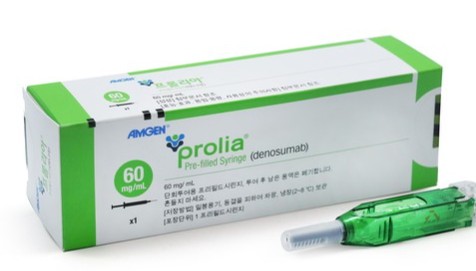
- As generics of the osteoporosis treatment Prolia (denosumab) began making a full-fledged push into the market, the weighted average price of denosumab fell 20% in the first half of this year compared with the second half of last year.The weighted average price of pelubiprofen 30 mg also fell by about 39%, reflecting a reimbursement price cut following the loss of a drug price lawsuit.According to first-half weighted average price data released by the Health Insurance Review and Assessment Service (HIRA) on the 14th, the weighted average price of denosumab 0.12 g fell from KRW 192,910 in the second half of last year to KRW 154,431 in the first half of this year, a decline of KRW 38,479, or about 20%.For denosumab 60 mg, the weighted average price fell about 10%, from KRW 120,715 in the second half of last year to KRW 108,290 in the first half of this year.The weighted average price refers to the average reimbursement price calculated by weighting the usage volume of multiple products billed under the same active ingredient.The decline in denosumab prices reflects the successive market entry of biosimilars of the original products Prolia and Xgeva. Samsung Bioepis and Celltrion have been targeting the market with price competitiveness.Samsung Bioepis lowered the reimbursement price of Xbryk Inj to KRW 129,000 in January this year, while Celltrion reduced the price of Osenvelt Inj to KRW 129,000 in November last year.In addition, the listing of HK inno.N’s Izambia Prefilled Syringe 60 mg and Denbrayce Inj 0.12 g, as well as Daewon Pharmaceutical’s Junod Prefilled Syringe Inj 60 mg, ended the original drug’s price premiums, further contributing to the decline in the weighted average price.Pelubiprofen 30 mg also recorded a steep decline from the second half of last year. Its weighted average price fell about 39%, from KRW 157 to KRW 96.The original version, Daewon Pharmaceutical’s Pelubi, lost its lawsuit seeking a stay of execution for the enforcement of the drug price cut, causing the reimbursement price of Pelubi 30 mg to be reduced by 46.7%, from KRW 180 to KRW 96, in May.The ex officio price cut appears to have been directly reflected in the weighted average price. The decline was also compounded by market competition from generics, including Chong Kun Dang’s Belufen Tab., Yungjin Pharm’s Pelps Tab., and Huons’ Pelroen Tab.
- Policy
- Pfizer’s Abrysvo approved in Korea…sparks competition
- by Lee, Tak-Sun Aug 18, 2026 08:54am
- Pfizer Korea’s respiratory syncytial virus (RSV) vaccine ‘Abrysvo Inj’ has received approval from the Ministry of Food and Drug Safety (MFDS), completing a competitive lineup spanning both adult and infant RSV prevention in Korea.The MFDS granted marketing authorization for Abrysvo on Aug. 13. With this approval, the competition in South Korea's RSV prevention market is expected to intensify further, featuring a three-way battle for adult vaccines, alongside a showdown between preventive monoclonal antibody injections and maternal vaccines for infants and young children.The adult RSV vaccine market has become a three-way race, with Pfizer’s Abrysvo joining GSK and Moderna, which had already established a presence in the market.GSK’s ‘Arexvy,’ the first to enter the market, recently expanded its indication to include high-risk adults aged 18 to 49. The company has strengthened its market position with data from the Phase III AReSVi-006 trial and long-term follow-up studies, demonstrating 94.6% efficacy in people with underlying medical conditions and sustained protection over three RSV seasons.Moderna is also competing with its mRNA-based mRESVIA, approved for adults aged 60 and older. The company is seeking to expand the indication to younger high-risk adults, leveraging the mRNA technology validated through its COVID-19 vaccine.Pfizer’s newly approved Abrysvo secured indications not only for adults aged 60 and older but also for high-risk adults aged 18 to 59, positioning it as a strong competitor in the adult market.The infant RSV prevention market, meanwhile, is developing a distinct competitive landscape involving two strategies that differ in both timing and method of administration.Until now, infant RSV prevention has been led by monoclonal antibody injections administered directly to infants after birth. Sanofi's ‘Beyfortus’ opened the market as a long-acting antibody injection providing five months of protection with a single dose. It was followed by MSD's ‘Enflonsia,’ which entered the market emphasizing the convenience of a single fixed 105 mg dose regardless of body weight.Pfizer’s Abrysvo, by contrast, introduces Korea’s first maternal immunization strategy. The vaccine is administered to pregnant women between 28 and 36 weeks of gestation, allowing antibodies generated in the mother to be transferred to the fetus through the placenta. According to the Phase III MATISSE trial, maternal vaccination with Abrysvo reduced the risk of severe RSV lower respiratory tract disease in infants by 81.8% through 90 days after birth.In the field, physicians expect the two approaches, direct antibody administration to infants after birth (Beyfortus or Enflonsia), and maternal vaccination during pregnancy (Abrysvo), to provide immunity from birth and to be used complementarily depending on factors such as maternal vaccination status, timing of birth and the infant’s risk of severe disease.While prevention options have expanded, calls are growing on the need for the government’s financial support to facilitate broader uptake in clinical practice.RSV can progress to severe lower respiratory tract disease, including bronchiolitis and pneumonia, particularly in infants and older adults. According to Korea’s National Health Insurance claims data, 44.7% of children under age 5 with RSV required hospitalization, while infants aged 6 to 11 months accounted for 57.3% of RSV patients admitted to intensive care units, underscoring the substantial disease burden.Given the nature of government health policy, discussions on public support for RSV prevention are likely to prioritize infants before older adults. However, the appropriate policy framework has yet to be established.Preventive antibody injections such as Sanofi’s Beyfortus and MSD’s Enflonsia are intended to prevent infection but are classified as ‘monoclonal antibody drugs’ rather than ‘conventional vaccines.’ Therefore, their coverage, whether they should be supplied through the National Immunization Program (NIP) or prescribed with reimbursement through National Health Insurance, is being reviewed. With the approval of Abrysvo adding a maternal immunization vaccine to the available options, policy discussions over infant RSV prevention are expected to materialize further.An industry official said, “RSV is one of the leading causes of hospitalization among infants and young children, but due to its non-reimbursement, there had been an urgent need for government support. Now that multiple preventive options are available, the pace of discussions over NIP inclusion and reimbursement serves as a key factor determining the future of Korea’s RSV market.”
