
- LOGIN
- MemberShip
- 2026-07-22 09:26:26

- Policy
- Expanded reimb for Keytruda·Dupixent
- by Jung, Heung-Jun Dec 24, 2025 08:08am
- As the review of expanded reimbursement for Keytruda (pembrolizumab) and Dupixent (dupilumab) has passed the Health Insurance Policy Review Committee (hereafter referred to as the committee) today (DEC 23), the out-of-pocket cost will drop by up to 95% starting next year.The committee also finalized a restructuring of the compensation system for clinical laboratory testing CDMOs, the formulation of an adjustment system for relative value units, and the launch of an 'innovative pilot project for community-based primary care', set for the second half of next year.The Ministry of Health and Welfare (MOHW) approved expanding health insurance coverage for Keytruda and Dupixent during the committee. While Keytruda was previously covered for four cancer types, including non-small cell lung cancer (NSCLC), coverage will now extend to 17 therapies across nine additional cancer types.Specifically, the expanded coverage includes head and neck cancer, gastric cancer, esophageal cancer, endometrial cancer, small bowel cancer, biliary tract cancer, colorectal cancer, triple-negative breast cancer (TNBC), and cervical cancer.For patients meeting the eligibility criteria for these expanded indications, the annual out-of-pocket cost per patient is expected to drop significantly, from approximately KRW 73.02 million to KRW 3.65 million (with a 5% co-payment for monotherapy).Dupixent, which was previously covered for chronic severe atopic dermatitis, will also be covered for severe Type 2 inflammatory asthma starting in January. The annual cost for severe asthma patients is expected to decrease from KRW 15.88 million to approximately KRW 4.76 million (based on a 30% co-payment).The committee also concluded this year's reimbursement re-evaluation for eight therapeutic ingredients. The reimbursement for spherical adsorptive carbon and artemisia herb extract will be maintained due to price reductions.2025 Reevaluation Results for Pharmaceutical Reimbursement Appropriateness: Reimbursement maintained for 1. olopatadine hydrochloride 2. Clematidis Radix-Trichosanthes Root-Prunella Spike 3. Bepotastine…Drug price reduced and reimbursement maintained for 7. spherical adsorptive carbon and artemisia herb extract (upon voluntary requests for drug price reduction by pharmaceutical companies).The oral formulation of L-aspartate-L-ornithine will remain covered, though its reimbursement criteria will be restricted to hepatic encephalopathy. For three other ingredients, including sulglicotide, the evaluation has been deferred on the condition that a portion of the reimbursement will be recouped if clinical trials fail to prove efficacy.Abolition of clinical lab management fees... new institution-specific fees establishedThe compensation structure for CDMO clinical laboratory testing will be reformed. The consignment fee, which overlaps with existing testing fees, will be abolished, and new fees specific to the CDMO institutions will be established. Furthermore, the billing and payment system will be improved to prevent diagnostic fee discounting.The CDMO fee criteria will be determined based on ▲the current management fee ▲the respective roles of the institutions ▲the financial impact during the regular RVU adjustment process. The KRW 240 billion saved from the abolition of the management fee will be reallocated to increase reimbursement for under-compensated areas, such as consultation fees.Examples of Lab Fee Adjustments: Examples of over-compensated areas, and actual adjustments will depend on finalized cost data. Under-compensated areas within clinical lab testing will not face fee cuts but will be prioritized for balance adjustments.The MOHW plans to revise relevant CDMO regulations in the first half of next year and implement the changes in alignment with the regular relative value unit adjustment cycle. Certification standards for clinical laboratory testing will also be updated.Regular adjustment of the relative value unit (previously updated every 5-7 years)To rationalize the fee compensation system, the government will formulate a regular adjustment model for the relative value unit. Previously, relative value unit restructuring occurred every 5 to 7 years, which critics argued failed to reflect rapid changes in medical practice.The government will review under-compensated and over-compensated services based on medical cost analysis and adjust them to balanced fees.In particular, funds from adjusting for over-compensation in areas such as clinical laboratory tests and imaging (CT and MRI) will be redistributed to under-compensated basic medical services, such as consultation and hospitalization fees at clinics and hospitals. Funds will also be directed toward strengthening compensation for essential healthcare, including surgeries and care that are severe·emergency and pediatrics·deliveries.Medical cost analysis results for relative adjustment...Low margins for drug administration and dispensingThe committee discussed the 2023 medical cost analysis results calculated by the Medical Cost Analysis Committee. These results will serve as the foundation for the 2026 regular RVU adjustments. The '2023 Fiscal Year Cost Analysis Report', which for the first time includes cost-to-revenue ratios by healthcare institution type and specific fee items, is scheduled for publication in the first quarter of next year.The analysis was expanded to include tertiary hospitals and clinics in addition to general hospitals. The report calculated the cost-to-revenue of reimbursements following the establishment of standardized medical cost calculation guidelines.Key findings regarding the cost-to-revenue ratio for covered services (based on tertiary hospitals) showed that clinical laboratory fees (192%), special radiologic imaging fees (169%), and radiation therapy fees (274%) had relatively high profit margins compared to costs.Conversely, drug administration and dispensing fees (11%), basic physical therapy (33%), and basic consultation fees (63%) generated significantly lower revenue than costs.'Innovative Pilot Project for Community-based Primary Care' to launch in JulyThe pilot project will launch next year, initially targeting patients aged 50 and older who require integrated management, with plans for gradual expansion.Under this project, registered patients can receive personalized preventive care, disease and medication management, and lifestyle coaching at their designated clinics, linked to their health check-up results. When necessary, patients can be referred to appropriate medical institutions or receive home-based primary care.Clinics that complete the required training are eligible to participate. Institutions capable of providing multi-professional, multidisciplinary team support can join as hub institutions.The government will introduce the 'Primary Care Functional Enhancement Integrated Fee', which compensates for 'patient registration and continuous management efforts' rather than traditional fee-for-service. The MOHW also plans to pilot multidisciplinary team-based service support and performance-based rewards.The pilot program is scheduled to run for three years, from July 2025 to 2028, with plans to expand its scope to additional regions and institutions starting in 2029.

- Policy
- Gov't to enforce non-face-to-face care Medical Service Act
- by Lee, Jeong-Hwan Dec 24, 2025 08:07am
- Following a Cabinet meeting today (December 23), the South Korean government is set to announce an amendment to the Medical Service Act that formally institutionalizes non-face-to-face care. The Ministry of Health and Welfare (MOHW), led by Minister Jeong Eun Kyeong, is the primary department overseeing this transition.Currently operating as a pilot program, non-face-to-face care will officially take effect one year from the date of announcement, in accordance with the supplementary provisions of the Act. This means that December 24, 2026, will mark the official date when non-face-to-face care becomes a permanent, legalized system in South Korea.This legislative reform comes 15 years after the first amendment proposal was submitted during the 18th National Assembly in 2010.The core principle of the Act is that non-face-to-face care will be centered on returning patients and primary care clinics.First-time patients are also eligible for non-face-to-face care, but with specific caveats. Based on MOHW standards, they can only apply for services within their residential area and will be subject to restrictions on the types of drugs prescribed and the total number of prescription days allowed.For the first time, a provision for the delivery of pharmaceuticals outside of pharmacies will be legalized. This applies to specific groups, including residents of islands or remote areas, long-term care recipients, registered persons with disabilities, patients confirmed with Class 1 or 2 infectious diseases, and patients with rare diseases.Prescribing narcotics or psychotropic substances via non-face-to-face care is strictly prohibited. Additionally, the use of electronic prescriptions will be officially institutionalized specifically for non-face-to-face care services.The National Assembly maintained that while the principle of in-person treatment remains paramount, this legislation provides the legal grounds to supplement care via non-face-to-face care. It also establishes the Minister of Health and Welfare’s authority to manage and supervise non-face-to-face care services via online platforms.Those intending to provide or operate a non-face-to-face care platform must report to the MOHW. Furthermore, if the number of platform subscribers exceeds a certain threshold, the operator must apply for official certification from the MOHW Minister.The MOHW Minister reserves the power to revoke certification if a platform obtains it through fraudulent means or fails to meet the required certification standards.The platforms are prohibited from interfering with a physician’s professional medical judgment, encouraging the misuse or abuse of medical services or pharmaceuticals, brokering, inducing, or instigating collusion in violation of the Pharmaceutical Affairs Act.Furthermore, the platforms are prohibited from demanding or receiving financial incentives, goods, or other economic benefits from medical professionals or pharmacies in exchange for patient or prescription referrals.Prohibited provisions also include recommending or inducing patients to choose specific medical institutions, pharmacies, or medical devices.Both doctors and pharmacists are now mandatorily required to use and verify the Drug Utilization Review (DUR) system when prescribing or dispensing narcotics and psychotropic substances during both in-person and non-face-to-face care consultations. Failure to comply will result in a fine of up to KRW 1 million. This provision was institutionalized as a safeguard during the legalization of non-face-to-face care.Meanwhile, an amendment to the Pharmaceutical Affairs Act aimed at prohibiting non-face-to-face care platforms from concurrently operating as pharmaceutical wholesalers (which was expected to pass alongside the telemedicine bill) remains pending in the National Assembly. The timeline for its final approval remains uncertain.
- Policy
- The implications of Keytruda’s reimb expansion
- by Jung, Heung-Jun Dec 24, 2025 08:06am
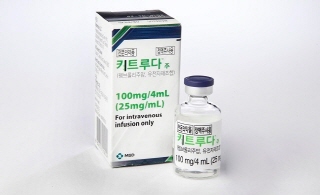
- MSD Korea’s immune checkpoint inhibitor Keytruda (pembrolizumab) is expected to complete the process of expanding its reimbursed indications at the Health Insurance Policy Deliberation Committee (HIPDC) meeting scheduled for today (the 23rd).Following approval by the committee, Keytruda’s reimbursement will be significantly expanded from January next year, increasing from the current 7 indications across 4 cancer types to 18 indications spanning 13 cancer types.This marks the culmination of a process that began with the reimbursement application in 2023—nearly three years in the making. Beyond the numerical addition of reimbursement for 9 additional cancer types and 11 new indications at once, the decision signifies enhanced treatment accessibility for previously underserved cancer types.It also stands as a significant precedent, having found a breakthrough for expanding reimbursement indications under the existing RSA framework before the government’s formal introduction of its indication-specific drug pricing system.According to industry sources on the 23rd, the National Health Insurance Service's Health Insurance Review and Assessment Service (HIRA) will vote on expanding Keytruda's reimbursement indications at its meeting today at 2 PM.Starting next January, Keytruda will be reimbursed for gastric cancer, esophageal cancer, endometrial cancer, colorectal cancer, squamous cell carcinoma, cervical cancer, breast cancer, small cell lung cancer, and bile duct cancer. Previously, reimbursement was applied to 7 indications across 4 cancer types: non-small cell lung cancer, Hodgkin lymphoma, melanoma, and urothelial carcinoma.While coverage was previously concentrated on non-small cell lung cancer, the expansion will now allow insurance coverage for a broader range of patients, including those with women’s cancers such as endometrial, breast, and cervical cancer.Furthermore, for several cancer types, including endometrial cancer, small cell lung cancer, and bile duct cancer, reimbursement will be extended to patients with MSI-H (microsatellite instability-high) tumors, significantly improving access for patient groups that had previously been excluded from treatment options.A milestone in multi-indication coverage ahead of indication-based pricingKeytruda, which received a multi-indication approval, has long been at the center of discussions surrounding the potential introduction of an indication-based pricing (IBP) system in Korea.While the government recently announced plans to introduce IBP through a drug pricing system reform, concrete measures have yet to be finalized. In this context, Keytruda's case can be seen as an example where the Health Insurance Review and Assessment Service (HIRA), the National Health Insurance Service (NHIS), and the pharmaceutical company found a broad solution for expanding coverage within the current Reimbursement Strategy Agreement (RSA) framework.With several other multi-indication therapies awaiting reimbursement review, this case is expected to serve as a reference model for future reimbursement decisions, regardless of whether IBP is formally adopted.Keytruda currently holds approvals for 18 cancer types and 35 indications, so further attempts to expand reimbursement coverage are anticipated going forward.Of course, this expansion of Keytruda's indications does not eliminate the need for IBP. How the government's drug pricing system will accommodate blockbuster drugs with multiple indications remains an unresolved policy challenge.However, the significance of Keytruda's recent coverage expansion lies in its active use of RSA to achieve results effectively approaching an indication-based pricing system. The case is meaningful not only for enhancing patient access to treatment but also for clarifying the extent to which existing reimbursement mechanisms can be leveraged to address complex multi-indication therapies.

- Policy
- 3 supply shortage drugs set to receive a price premium
- by Jung, Heung-Jun Dec 23, 2025 08:00am
- Hanmi Pharm's Vildagle Tab and Kyongbo Pharm's Vilda TabWhile drug prices for approximately 4,000 items will be reduced next January, including those affected by the Actual Transaction Price adjustment, prices for certain products at risk of supply shortage will be increased.These adjustments apply to drugs for which the government is either extending price premiums due to low profitability or raising prices to offset production costs for 'discontinuation-prevention drugs'.According to industry sources on December 22, the price premium period for two salt-modified vildagliptin products, scheduled to expire in January, will be extended for another year.Hanmi Pharmaceutical's Vildagle Tab 50mg (vildagliptin hydrochloride) and Kyongbo Pharm's Vilda Tab 50mg (vildagliptin nitrate), both DPP-4 inhibitor diabetes treatments, were initially set to lose their four-year price premiums next month.However, in line with the Drug Reimbursement Evaluation Committee (DREC)'s opinion on stable supply, the premium period will be extended by 1 year.Currently, Vildagle Tab receives a premium of KRW 300 from KRW 240, and Vilda Tab receives KRW 314 from KRW 240, a premium of 25%-30% at the ceiling price.These two products entered the market in 2022 through salt modifications, before the expiration of the Novartis patent on its original drug, Galvus (vildagliptin).While prices typically drop following patent expiration and the entry of generics, these salt-modified products successfully defended their pricing. By continuously raising their price premiums, they are now priced above the KRW 240 ceiling price of the original Galvus.Additionally, the ceiling price for Bukwang Pharmaceutical's Antiroid Tab (propylthiouracil), an antithyroid agent designated as a 'discontinuation-prevention drug', will increase by approximately 11% next month, from KRW 34 to KRW 38.Price compensation for 'discontinuation-prevention drug' is granted to medicines that are essential for clinical treatment but are at risk of production stoppage due to low profitability.As an ingredient designated as a 'National Essential Drug', it has faced concerns about supply instability amid rising raw material costs, given its low drug pricing. The 11% price hike for Antiroid Tab will take effect on the 1st of next month.Meanwhile, the products undergoing price reductions next month total around 4,000 items, including 3,940 drugs whose prices are being adjusted following the government's Actual Transaction Price investigation.
- Policy
- Celltrion has added 'Omlyclo' Pen Inj…rival Xolair
- by Lee, Tak-Sun Dec 23, 2025 07:59am
- Celltrion's 'Omlyclo'Celltrion has started chasing the original product in the Korean market through the expanded formulation of 'Omlyclo (omalizumab)', used to treat allergic asthma and chronic spontaneous urticaria.The original drug is Novartis' Xolair, an injectable generating KRW 20 billion in the domestic market (KRW 21.1 billion according to the 2023 IQVIA). Omlyclo is a biosimilar to Xolair, and it was added to the reimbursement list in September of last year.The Ministry of Food and Drug Safety (MFDS) approved Omlyclo Pen Inj in September. This product is a pen formulation, a different formulation from Omlyclo PFS Inj approved in June of last year.The difference between a pre-filled pen and a pre-filled syringe is whether the needle tip is exposed. A pre-filled syringe is injected with a needle exposed, while a pre-filled pen may reduce fear due to its hidden needle tip. Both formulations can be self-injected.The original drug Xolair has no pen formulation approved in South Korea. Only the conventional injectable and pre-filled syringe formulations are available.Considering these factors, Celltrion may be one step ahead in the future competition against Xolair.When it comes to prices, Celltrion has a competitive edge. Xolair is priced at KRW 216,755 per 150mg. In contrast, Omlyclo costs KRW 173,404, approximately KRW 40,000 less.However, Omlyclo 300mg of higher strength has not yet been added to the reimbursement list, thereby constituting the current weakness.Product sales overseas are also at full scale. In September, it was launched in Europe. In Europe, Omlyclo is reportedly the sole biosimilar to omalizumab.Omlyclo obtained U.S. FDA approval in March, thereby beginning to target the North American market on a full-scale basis.However, due to the patent expiration of Xolair in November, other biosimilars, such as one from Teva Pharmaceutical, are about to enter the market. Celltrion taking the market lead in the early race is expected to drive sustained sales.Xolair's global sales amounted to approximately KRW 5 trillion as of 2023.
- Policy
- Moderna’s RSV vaccine gains expedited approval
- by Lee, Tak-Sun Dec 19, 2025 09:08am
- The Ministry of Food and Drug Safety (MFDS) announced on the 18th that it has approved mRESVIA Prefilled Syringe (respiratory syncytial virus [RSV] mRNA vaccine, Moderna Korea) as the first biologic drug to be authorized under the newly implemented ‘New Drug Marketing Authorization and Review Procedures’ implemented this year.The revised New Drug Marketing Authorization and Review Procedures, introduced earlier this year, include expedited review measures such as the formation of dedicated product review teams and prioritizing GMP reviews. These measures were established as follow-up actions to the increase in new drug approval review fees.For the approval of mRESVIA, the MFDS formed a dedicated review team consisting of 18 members, including specialists in new drug evaluation, conducted priority GMP reviews, and held individualized face-to-face meetings before and after the marketing authorization application. Through close communication with the applicant, the MFDS was able to complete the approval process in an expedited manner.The newly approved imported drug, mRESVIA Prefilled Syringe, is indicated for the prevention of lower respiratory tract disease (LRTD) caused by RSV in adults aged 60 years and older, as well as in high-risk individuals aged 18 to under 60 years. It is the first RSV preventive vaccine in Korea approved using an mRNA platform.Respiratory syncytial virus (RSV) is a virus that causes acute respiratory infections with symptoms similar to those of the common cold.Meanwhile, the first small-molecule drug approved under the new fast-track review system was Xcopri Tab (cenobamate) developed by Dong-A ST, which received marketing authorization in November.The MFDS stated that it plans to further enhance the new drug review system through in-depth preliminary assessments, item-by-item parallel reviews, and stage-specific tailored meetings during the new drug approval process. These efforts aim to facilitate rapid market entry of innovative medicines, provide patients with quicker access to treatment options, and support the growth of the biopharmaceutical industry.

- Policy
- Support grows for reform of aHUS reimb pre-approval system
- by Jung, Heung-Jun Dec 19, 2025 09:08am
- Concerns about improving the pre-approval review process for Soliris, a treatment for aHUS, has also been raised during last year's NA auditCalls to improve reimbursement access for treatments for atypical hemolytic uremic syndrome (aHUS) are gaining momentum, with the Anti-Corruption and Civil Rights Commission (ACRC) joining the National Assembly in pressing for institutional reform.Previously, the National Assembly had criticized the low approval rate of prior authorization for Soliris, an aHUS treatment, and urged regulatory relaxation.On the 17th, the ACRC has recommended system-wide improvements, including designating aHUS and other “ultra-urgent rare diseases” as a separate category and improving the system to ensure prior reviews are completed within 2-3 days.It ordered the establishment of a 48-hour fast-track review process for prior approval and the creation of a ‘Rare Disease Drug Review Committee (tentative name)’ to ensure such reviews are conducted swiftly.The ACRC has given the Health Insurance Review and Assessment Service (HIRA) an implementation deadline of December next year. If the recommendations are not implemented, the Commission plans to continue monitoring progress.ACRC investigator Joon-hyung Kim said, “We are aware of the issues raised by the National Assembly. We listened to the voices of medical professionals, patients with rare and severe diseases, and patient organizations. We also conducted an on-site investigation at HIRA this summer. Through stakeholder meetings, we consolidated opinions and finalized our recommendations. This is not limited to aHUS alone. There are several other ultra-rare diseases requiring immediate emergency care.“Kim added, ”HIRA is likely aware of the need for improvement, having conducted its own investigation. We have now communicated the recommendations along with a deadline for implementation by December next year."While these are recommendations without legal enforceability, the ACRC stated that it will actively follow up and encourage implementation if reforms are not carried out.Investigator Kim conveyed, “Even if it goes beyond December next year, we will continuously monitor whether implementation occurs and manage the situation to ensure improvements are made.”The prior approval system is a mechanism designed to obtain reimbursement approval before administering ultra-high-priced new drugs, considering the financial stability of the National Health Insurance budget.Last year's National Assembly audit pointed out low approval rates and review delays for treatments like atypical hemolytic uremic syndrome (aHUS) and spinal muscular atrophy (SMA).Meanwhile, the reimbursement criteria for aHUS treatments were partially relaxed this October.
- Policy
- Keytruda completes price negotiations for reimb in KOR
- by Jung, Heung-Jun Dec 17, 2025 09:50am
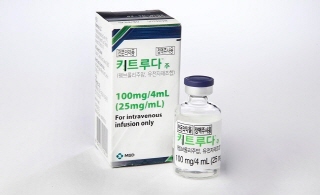
- MSD Korea’s immunotherapy drug Keytruda (pembrolizumab) has completed price negotiations with the National Health Insurance Service (NHIS), with reimbursement coverage expected to expand to additional indications starting next month.Keytruda previously received approval for reimbursement appropriateness for 11 indications, including gastric cancer and esophageal cancer, at the 9th Drug Reimbursement Evaluation Committee meetingAccording to industry sources on the 16th, MSD Korea has finalized a drug price agreement with the NHIS regarding the reimbursement expansion for Keytruda. Following review by the Health Insurance Policy Deliberation Committee (HIPDC), the Ministry of Health and Welfare is expected to issue a formal notice next month.The 11 additional indications approved by the Drug Reimbursement Evaluation Committee this time include gastric cancer, esophageal cancer, endometrial cancer, colorectal cancer, squamous cell carcinoma, cervical cancer, breast cancer, small intestine cancer, and biliary tract cancer. Approximately 2 years after the initial reimbursement expansion request in 2023, the decision now awaits only the Health Insurance Review and Assessment Service (HIRA) resolution.Previously, Keytruda was granted reimbursement for seven indications across four cancer types: non-small cell lung cancer, Hodgkin lymphoma, melanoma, and urothelial carcinoma.For metastatic or unresectable recurrent head and neck squamous cell carcinoma, reimbursement was granted for first-line treatment as ▲ monotherapy in PD-L1-positive patients, ▲ combination therapy with platinum and fluorouracil-based chemotherapy.Keytruda to show strong momentum in both regulatory approvals and reimbursement expansion in head and neck cancer.In October, the Ministry of Food and Drug Safety approved an expanded indication for Keytruda as perioperative therapy (pre- and post-surgery) in patients with resectable locally advanced head and neck squamous cell carcinoma.Given this expanded approval in head and neck cancer, MSD is expected to pursue further reimbursement expansion for the approved indications. Beyond head and neck cancer, it holds 35 indications across 18 cancer types, leaving significant potential for additional reimbursement expansion.Keytruda’s annual claims exceed KRW 400 billion, and claims are expected to increase starting next year as additional reimbursed indications start being prescribed.
- Policy
- President Lee "Review reimb of hair loss·obesity drugs"
- by Lee, Jeong-Hwan Dec 17, 2025 09:50am
- President Lee Jae Myung has drawn attention by instructing the Minister of Health and Welfare, Jeong Eun Kyeong, to specifically review the possibility of extending National Health Insurance (NHI) coverage to hair loss and obesity treatments.President Lee stated, "I previously made a campaign pledge to support hair loss medication. Isn't hair loss also part of a disease? I hear many young people use it, so have you reviewed the possibility of coverage?" He added, "I would like you to examine the potential costs, and if unlimited support poses a financial burden, consider limiting the number of doses or imposing a total expenditure cap."President Lee asked, "I assume the reason for the lack of coverage is that genetic factors cause baldness. But isn't a genetic disease also caused by genetics? It becomes a matter of defining whether something is a disease or not." He concluded, "This does not seem logical."President Lee further added, "In the past, hair loss was viewed as a cosmetic issue, but these days, it seems to be perceived as a matter of survival." He then asked, "The same seems to be true for obesity treatment. Is coverage for severe obesity medication under review?"Minister Jeong responded that it is necessary to consider medical urgency or priority when covering hair loss medication.Minister Jeong explained, "NHI supports treatment for alopecia areata caused by medical reasons. NHI does not cover hair loss due to genetic factors because its link to medical treatment is considered low." She added, "It is true that many non-covered medical services include treatments for hair loss, acne, and obesity."Minister Jeong said, "Since they are not life-threatening diseases, other treatments deemed cosmetic are also not covered by the NHI," and added, "We will review [NHI coverage] for these conditions."Regarding coverage for obesity medication, Lee Jung-kyu, Director of the NHIS Bureau, replied, "For severe obesity, we currently provide partial coverage for surgical treatments based on the Body Mass Index (BMI) criteria."Minister Jeong further explained, "We are still reviewing these medications. Since an application for reimbursement has just been submitted, we need to proceed with the review for reimbursement appropriateness.

- Policy
- ‘Expand 1st line reimb for anabolic agents to reduce healthcare costs’
- by Jung, Heung-Jun Dec 16, 2025 08:36am
- Calls have been raised for expanding reimbursement coverage for anabolic agents as first-line therapy in order to prevent osteoporotic fractures and the resulting rise in direct and indirect healthcare costs.As reimbursement for bone-forming agents is limited to second-line treatment only, experts argue that coverage should be expanded to include first-line use. Representative agents in this class include Evenity (romosozumab) and Forteo (teriparatide).Seung-hoon Baek, Director of Insurance and Policy at the Korean Society for Bone and Mineral ResearchOn the 15th, Seung-hoon Baek, Director of Insurance and Policy at the Korean Society for Bone and Mineral Research, emphasized the need for a first-line treatment strategy using anabolic agents at a National Assembly policy forum on osteoporosis fracture prevention held on the 15th.Director Baek stated, “Recent domestic and international guidelines recommend anabolic agents as a first-line treatment strategy for the very high-risk group. Global guidelines, including those from the American Association of Clinical Endocrinology, also position them as first-line treatment options.”The KSBMR also established guidelines in 2024 recommending the use of anabolic agents as first-line therapy in high-risk groups meeting criteria such as: ▲ a fragility fracture within the past year ▲ multiple fractures ▲ a bone mineral density T-score below -3.0.Director Baek explained, “If bone resorption inhibitors are administered first, there is a risk that bone formation may also be suppressed. Therefore, administering anabolic agents first is more effective for improving bone density."A study involving 1,000 women aged 75 showed that 43 fractures occurred when antiresorptive agents were used first, compared with 22 fractures when anabolic agents were used as first-line therapy, confirming a significant fracture-reduction effect.However, in Korea, reimbursement for anabolic agents is granted only if they are used after bone resorption inhibitors prove ineffective, which has been cited as a major limitation.Furthermore, the target population must meet all of the following conditions: ▲ Age 65 or older (or postmenopausal women aged 65 or older for romosozumab) ▲ T-score ≤ -2.5 ▲ History of two or more osteoporotic fractures.Director Baek emphasized, “Korea's reimbursement criteria are excessively restrictive compared to major countries overseas. Following the UK and Japan, Australia also expanded reimbursement for romosozumab as a first-line treatment for high-risk groups in early November last year. While there may be an increase in drug costs in the short term, a reduction in healthcare costs is expected in the long term. Overseas, this is the basis for its use in the first-line.”He further elaborated, “Patients who experience osteoporotic fractures incur approximately 80% higher per-patient medical costs compared to those without fractures. Preventing fractures is key to curbing rising healthcare expenditures.”Specifically, experts proposed recognizing it as a first-line treatment and expanding the target population from postmenopausal women aged 65 and over to include those aged 50 and over. The proposed eligibility criteria include: ▲ Relaxing the bone density test requirement from ≤-2.5 to <-3.0 ▲ Expanding from patients with two or more fractures to those with a fracture within the past year ▲ Patients meeting any one of the following: bone density ≤-2.5 and two or more fractures.
